apa yang sedang Anda cari?
Bagaimana Pelindung Panas Baja Tahan Karat Bertekstur Meningkatkan Kekuatan dan Kontrol Termal
Pelindung panas baja tahan karat bertekstur banyak digunakan dalam sistem knalpot otomotif karena fungsinya lebih dari sekadar menutupi komponen panas. Struktur bertekstur yang dirancang dengan tepat membantu meningkatkan kekakuan, mendukung kontrol termal yang stabil, mengurangi deformasi akibat getaran, dan melindungi selang, kabel, panel bodi, dan bagian-bagian sensitif di ruang mesin dari panas radiasi yang tinggi. Bagi produsen, perakit, dan pembangun performa, baja tahan karat bertekstur seringkali merupakan pilihan yang lebih praktis dan tahan lama daripada pelindung logam datar di lingkungan knalpot bersuhu tinggi.
Di BSTFLEX, kami memproduksi pelindung panas otomotif untuk aplikasi knalpot, turbo, konverter katalitik, dinding pembatas ruang mesin, dan bagian bawah bodi kendaraan. Kami juga menyediakan solusi penghalang termal khusus dalam konstruksi baja tahan karat, aluminium, dan paduan suhu tinggi untuk proyek OEM, aftermarket, dan performa.
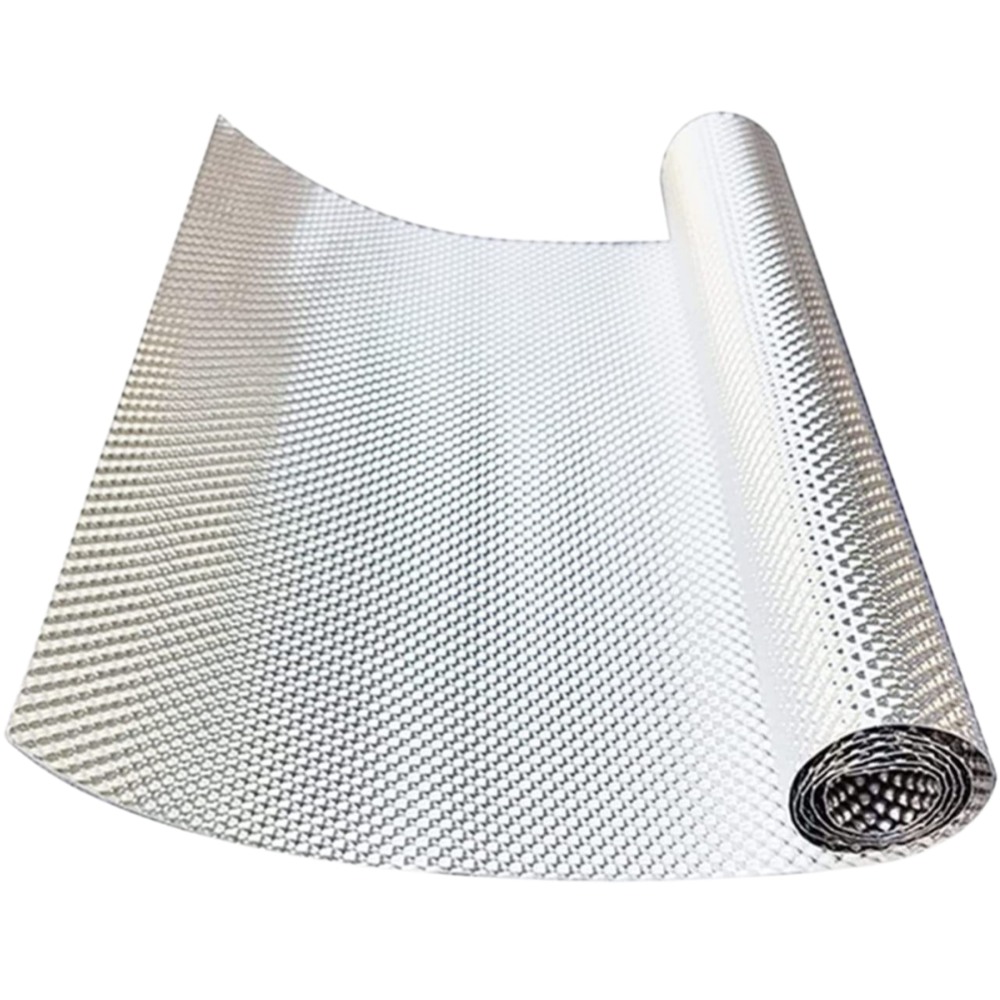
Pelindung panas baja tahan karat timbul adalah penghalang termal logam yang dibentuk dari lembaran atau foil baja tahan karat dengan pola timbul yang ditekan ke permukaannya. Pola-pola ini dapat berupa lekukan, manik-manik, tekstur, gelombang, atau fitur permukaan yang dibentuk lainnya. Tujuan dari timbulnya pola bukan hanya visual. Tujuan utamanya adalah untuk meningkatkan kekakuan struktural, mengoptimalkan perilaku celah udara di sekitar komponen panas, dan mendukung manajemen termal yang lebih andal di lingkungan yang menuntut.
Dibandingkan dengan lembaran datar, pelindung timbul biasanya berkinerja lebih baik ketika bagian tersebut terpapar getaran, siklus termal berulang, kedekatan dengan panas knalpot, dan tekanan pemasangan. Hal ini menjadikan baja tahan karat timbul sebagai pilihan umum untuk pelindung pipa knalpot, pelindung peredam suara, perlindungan konverter katalitik, pelindung area turbo, dan penghalang panas ruang mesin.
Dalam aplikasi otomotif, pelindung panas terus-menerus terpapar lebih dari sekadar suhu. Ia juga menghadapi getaran, denyut tekanan, guncangan jalan, aliran udara, kelembapan, korosi, dan siklus termal jangka panjang. Jika struktur pelindung terlalu lemah, ia dapat melentur secara berlebihan, berubah bentuk seiring waktu, retak di dekat titik pemasangan, atau kehilangan ruang udara yang diperlukan untuk perlindungan termal yang efektif.
Itulah mengapa kekuatan pelindung bukanlah masalah sekunder. Hal ini secara langsung memengaruhi masa pakai, stabilitas pemasangan, dan kinerja pengendalian panas. Struktur pelindung yang lebih kuat membantu mempertahankan bentuknya dalam kondisi operasi nyata dan menjaga perlindungan termal lebih konsisten dari waktu ke waktu.
Keunggulan struktural utama dari proses timbul (embossing) adalah peningkatan kekakuan. Ketika lembaran baja tahan karat diberi pola timbul, profil permukaan yang terbentuk membuat bagian tersebut lebih tahan terhadap tekukan dan kerusakan dibandingkan dengan lembaran datar dengan ketebalan yang sama. Hal ini memungkinkan produsen untuk membuat pelindung panas yang lebih ringan tanpa mengorbankan stabilitas mekanis.
Teknik timbul juga dapat membantu dengan cara-cara berikut:
Untuk zona panas knalpot dan turbo, kekakuan tambahan ini sangat berharga karena geometri pelindung seringkali perlu mengikuti kontur yang sempit sambil tetap menjaga jarak dari permukaan panas dan komponen di dekatnya.
Pencetakan timbul tidak mengubah manajemen panas melalui satu mekanisme tunggal. Sebaliknya, ia meningkatkan kontrol termal melalui beberapa efek yang saling berinteraksi.
Pelindung panas bekerja paling baik jika strukturnya tetap berada di tempat yang dirancang. Jika pelindung melengkung atau runtuh ke arah sumber panas, celah termal dapat berkurang dan perpindahan panas lokal dapat meningkat. Struktur timbul yang lebih kaku membantu mempertahankan geometri pemasangan yang dimaksudkan, yang mendukung kinerja pelindung panas jangka panjang yang lebih andal.
Fitur timbul dapat membantu menjaga jarak mikro dan jarak struktural pada desain pelindung tertentu. Dalam banyak aplikasi, ruang udara yang terperangkap atau terkontrol berkontribusi pada kinerja isolasi yang lebih baik karena udara bertindak sebagai penghalang termal. Hal ini sangat penting terutama jika pelindung dipasang dekat dengan pipa knalpot, konverter katalitik, atau cangkang peredam suara.
Pelindung panas otomotif harus tetap berfungsi setelah berulang kali terpapar suhu tinggi. Struktur baja tahan karat timbul seringkali lebih cocok daripada lembaran logam datar untuk mempertahankan geometri fungsional dalam lingkungan termal yang menuntut, terutama ketika getaran dan panas bekerja bersamaan.
Baja tahan karat banyak digunakan untuk pelindung panas timbul karena menggabungkan kemampuan suhu tinggi dengan kekuatan mekanik, ketahanan korosi, dan fleksibilitas fabrikasi. Dalam aplikasi sistem pembuangan, sifat-sifat ini sangat penting.
Keunggulan utama baja tahan karat meliputi:
Tergantung pada zona panas dan persyaratan proyek, berbagai tingkatan dapat dipilih. Untuk lingkungan yang lebih ekstrem, paduan berkinerja lebih tinggi juga dapat dipertimbangkan, seperti Pelindung Panas Paduan 625 Inconel .
Pelindung panas datar masih dapat berguna dalam beberapa aplikasi penghalang yang kurang menuntut atau lebih sederhana, terutama ketika biaya dan kompleksitas pembentukan perlu diminimalkan. Namun, untuk banyak aplikasi knalpot otomotif, baja tahan karat timbul menawarkan solusi teknik keseluruhan yang lebih kuat.
| Fitur | Pelindung Panas Baja Tahan Karat Timbul | Pelindung Panas Datar |
|---|---|---|
| Kekakuan Struktural | Lebih tinggi | Lebih rendah |
| Ketahanan terhadap Deformasi | Lebih baik dalam hal getaran dan siklus termal. | Lebih mungkin melentur atau melengkung |
| Ketahanan di Zona Pembuangan | Kuat | Tergantung pada aplikasi |
| Stabilitas Kecocokan | Lebih konsisten dari waktu ke waktu | Dapat berkurang jika panel bergerak atau berubah bentuk. |
| Penggunaan pada Bentuk Kompleks | Sangat cocok | Terbatas pada beberapa tata letak yang sudah terbentuk |
Pelindung panas baja tahan karat bertekstur timbul digunakan di banyak area otomotif bersuhu tinggi, termasuk:
Untuk solusi tingkat sistem yang lebih luas, Anda juga dapat meninjau rangkaian lengkap produk kami. produk pelindung panas otomotif .
Baja tahan karat bertekstur timbul biasanya merupakan pilihan yang tepat ketika aplikasi membutuhkan keseimbangan antara ketahanan panas, kekuatan mekanik, ketahanan korosi, dan stabilitas bagian yang dibentuk. Hal ini sangat berguna ketika:
Jika tingkat panasnya sangat ekstrem dan melebihi kisaran praktis konstruksi baja tahan karat standar, penghalang paduan kelas yang lebih tinggi mungkin lebih tepat. Dalam situasi tersebut, solusi seperti Pelindung Panas Paduan 625 Inconel dapat dievaluasi.
Persyaratan pelindung panas khusus bervariasi tergantung pada platform, lokasi pemasangan, suhu target, ruang yang tersedia, gaya pemasangan, dan harapan daya tahan. BSTFLEX mendukung pengembangan khusus berdasarkan gambar, sampel, atau persyaratan kinerja.
Opsi kustomisasi dapat mencakup:
Jika Anda memesan suku cadang khusus, informasi yang paling berguna untuk penawaran harga meliputi posisi aplikasi, paparan suhu, dimensi, bentuk, metode pemasangan, jumlah target, dan apakah gambar atau sampel tersedia.
Pelindung panas baja tahan karat bertekstur timbul meningkatkan kekuatan dan kontrol termal karena tekstur timbul memberikan struktur yang lebih kaku dan stabil pada pelindung, sehingga membantunya berkinerja lebih baik dalam kondisi nyata yang ditemukan di sekitar sistem knalpot otomotif. Dibandingkan dengan pelindung logam datar, desain bertekstur timbul umumnya menawarkan ketahanan yang lebih baik terhadap getaran, deformasi, dan siklus termal jangka panjang, sekaligus mendukung kinerja penghalang panas yang lebih konsisten.
Untuk aplikasi knalpot, turbo, konverter katalitik, peredam suara, dinding pembatas ruang mesin, dan bagian bawah bodi mobil, baja tahan karat timbul tetap menjadi salah satu pilihan paling praktis dan andal untuk perlindungan termal otomotif. Jika proyek Anda membutuhkan solusi khusus, BSTFLEX dapat mendukung produk yang dicetak, dibentuk, dan spesifik untuk aplikasi tertentu. pelindung panas otomotif pengembangan untuk platform standar dan suhu tinggi.
Pelindung panas bertekstur timbul biasanya lebih kuat dan lebih kaku daripada pelindung datar dengan bahan dasar yang sama. Hal ini membantunya menahan getaran, mempertahankan bentuk, dan mendukung perlindungan termal yang lebih stabil dalam aplikasi otomotif suhu tinggi.
Hal ini bergantung pada aplikasinya. Baja tahan karat seringkali lebih disukai ketika dibutuhkan kekuatan struktural, daya tahan, dan ketahanan yang lebih tinggi terhadap kondisi gas buang yang keras. Aluminium dapat dipilih jika bobot dan reflektivitas menjadi prioritas utama.
Pelindung ini umumnya digunakan di sekitar pipa knalpot, konverter katalitik, peredam suara, area turbo, dinding pembatas ruang mesin, lantai mobil, dan bagian bawah bodi mobil di mana bagian-bagian di sekitarnya harus dilindungi dari panas.
Ya. Pelindung panas timbul kustom dapat diproduksi sesuai dengan gambar, sampel, suhu aplikasi, ruang pemasangan, persyaratan pemasangan, dan kebutuhan kuantitas.
Ketika lingkungan kerja melibatkan suhu yang lebih ekstrem, korosi yang agresif, atau persyaratan daya tahan yang luar biasa tinggi, solusi paduan berkinerja tinggi seperti Paduan 625 mungkin lebih cocok.

No.10, Chuangxin North Road, Nanshan Park, Ningguo Economic and Technological Development Zone, Ningguo City, Anhui Province, China
telp/Whatsapp : 0086-15856303740
surel : sales@bstbraidedsleeve.com
Skype : vanesa-cheng