apa yang sedang Anda cari?
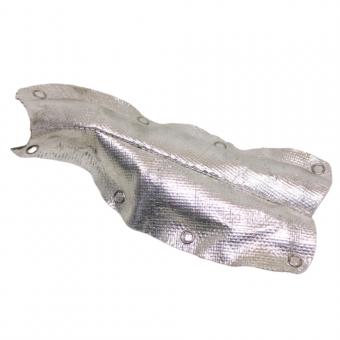
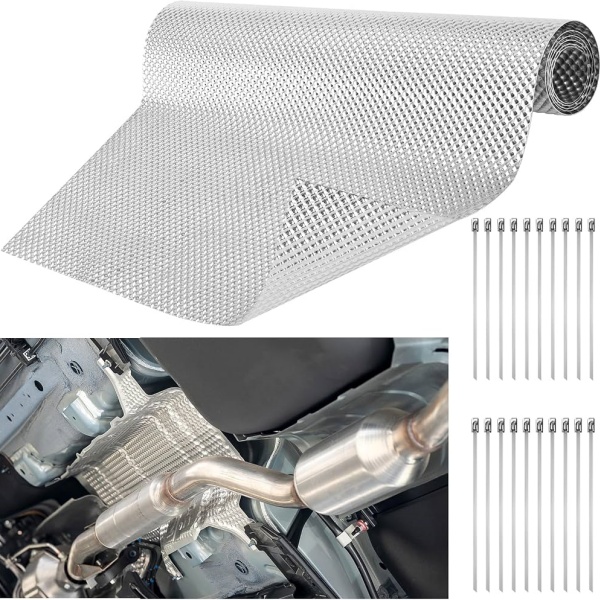
Lihatlah ke bawah kendaraan, di sekitar konverter katalitik, di belakang manifold knalpot, atau di sepanjang terowongan knalpot, dan banyak pelindung panas logam memiliki satu fitur yang jelas: permukaannya tidak rata.
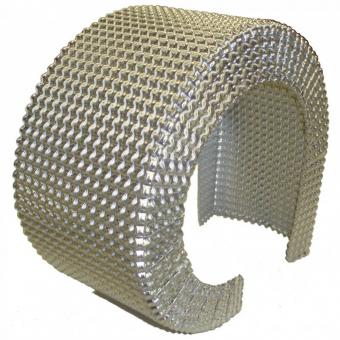
Lekukan, rusuk yang menonjol, tekstur yang ditekan, dan pola berulang yang ditemukan pada pelindung panas otomotif adalah fitur teknik yang fungsional. Embossing mengubah perilaku lembaran logam tipis. Alih-alih hanya mengandalkan ketebalan material untuk kekakuan, permukaan tiga dimensi memungkinkan pelindung untuk mempertahankan bentuknya sambil menjaga komponen tetap relatif tipis dan ringan.
Inilah sebabnya mengapa material pelindung panas timbul banyak digunakan untuk sistem pembuangan otomotif, kompartemen mesin, penghalang termal bagian bawah bodi mobil, dan aplikasi lain di mana suhu, getaran, ruang pengemasan, dan massa kendaraan harus dipertimbangkan secara bersamaan.
BSTFLEX memproduksi beberapa jenis material penghalang termal logam, termasuk material pelindung panas baja tahan karat timbul, material pelindung panas aluminium timbul dan material pelindung panas Alloy 625 Inconel untuk proyek manajemen termal khusus.
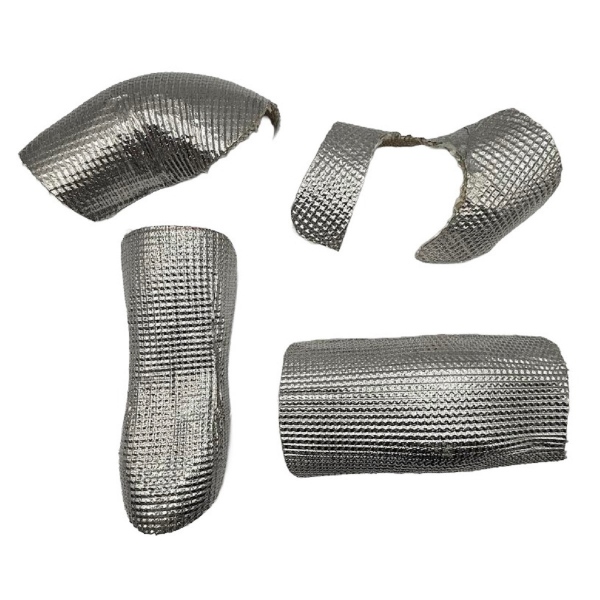
Lembaran datar dan lembaran timbul dapat diproduksi dari logam yang sama dan ketebalan nominal yang sama, namun perilaku mekanisnya bisa sangat berbeda.
Area logam datar tipis yang luas dapat melengkung dengan mudah. Saat dipasang pada kendaraan, logam tersebut juga dapat terpapar getaran, pergerakan mesin, eksitasi jalan, tekanan dari aliran udara, serta ekspansi dan kontraksi berulang saat sistem pembuangan memanas dan mendingin.
Meningkatkan ketebalan lembaran adalah salah satu cara untuk meningkatkan kekakuan, tetapi juga menambah berat dan konsumsi material. Embossing memberikan pilihan lain.
Dengan menekan pola tiga dimensi yang terkontrol ke dalam lembaran, produsen mengubah geometri penampang melintangnya. Fitur yang menonjol dan tersembunyi membuat panel lebih tahan terhadap pembengkokan dibandingkan permukaan datar yang setara.
Bagi insinyur otomotif, ini menciptakan peluang penting: stabilitas struktural dapat ditingkatkan tanpa bergantung secara eksklusif pada logam dengan ukuran lebih tebal.
Tampilan lembaran pelindung panas timbul terkadang membuatnya diperlakukan sebagai produk logam bermotif. Deskripsi tersebut melewatkan tujuan utamanya.
Dalam manajemen termal otomotif, profil timbul dapat memengaruhi:
Pola yang optimal bergantung pada logam dasar, ketebalan lembaran, dimensi pelindung, kedalaman pembentukan, dan metode pemasangan. Pola yang berfungsi dengan baik untuk panel bawah bodi aluminium yang besar mungkin bukan konfigurasi terbaik untuk pelindung manifold knalpot baja tahan karat yang ringkas.
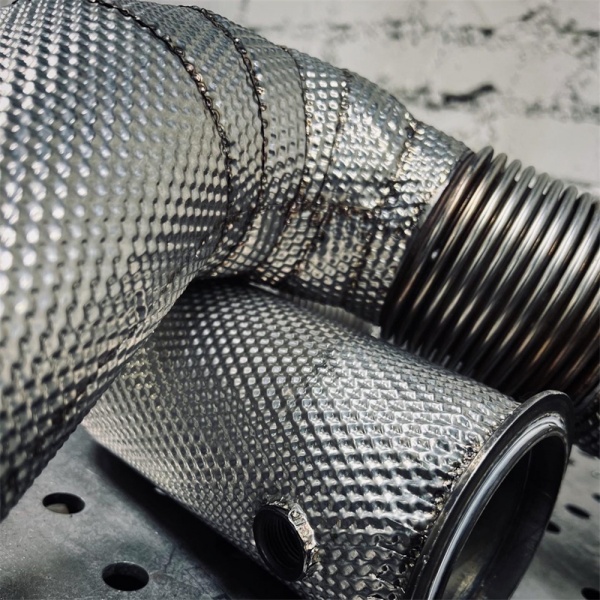
Untuk memahami mengapa embossing berfungsi, pertimbangkan selembar kertas sederhana. Lembaran datar mudah ditekuk. Setelah lembaran yang sama dilipat atau dibentuk menjadi profil tiga dimensi, lembaran tersebut menjadi jauh lebih tahan terhadap pembengkokan ke arah tertentu.
Logam timbul mengikuti prinsip struktural umum yang sama.
Pola yang menonjol memperkenalkan geometri lokal ke dalam permukaan yang tadinya datar. Alih-alih seluruh panel berperilaku sebagai satu bidang tipis, bagian yang dibentuk menahan pembengkokan dan membantu mendistribusikan beban mekanis ke seluruh bagian.
Untuk desain pelindung panas, ini bisa sangat berguna ketika pelindung harus menutupi area yang relatif luas tetapi produsen ingin menghindari massa yang tidak perlu.
Oleh karena itu, tujuannya bukan sekadar memproduksi logam setipis mungkin. Tujuannya adalah menemukan kombinasi yang tepat dari:
Satu pelindung panas mungkin tampak sebagai komponen kendaraan yang kecil, tetapi satu platform lengkap dapat menggunakan beberapa penghalang termal di sekitar mesin, sistem pembuangan, lantai, sistem bahan bakar, dan peralatan pasca-pengolahan.
Menambahkan ketebalan yang tidak perlu pada setiap pelindung akan meningkatkan massa total kendaraan serta konsumsi bahan baku.
Logam timbul (embossed) memberikan cara lain bagi perancang untuk mencapai perilaku struktural yang diperlukan. Alih-alih menyelesaikan setiap masalah kekakuan dengan meningkatkan ukuran (gauge), geometri material itu sendiri menjadi bagian dari desain komponen.
Ini adalah salah satu alasan mengapa material pelindung panas aluminium timbul sangat menarik untuk aplikasi area luas. Aluminium sudah menawarkan kepadatan rendah, dan proses penimbulan (embossing) dapat membuat lembaran tipis lebih cocok untuk penanganan dan pemasangan.
Untuk area yang lebih panas di mana baja tahan karat lebih disukai, penimbulan juga dapat membantu menciptakan pelindung dinding tipis yang stabil tanpa mengubah bagian tersebut menjadi penutup logam yang berat dan tidak perlu.
Pelindung panas kendaraan tidak pernah beroperasi di lingkungan statis.
Selama penggunaan, pelindung ini dapat terpapar pada:
Panel datar yang besar dapat mengalami pergerakan yang tidak diinginkan jika kekakuan, titik pemasangan, dan geometrinya tidak dirancang dengan benar. Dalam beberapa kasus, hal ini berkontribusi pada suara mendengung, berderik, atau kelelahan di sekitar titik pemasangan.
Profil timbul dapat membantu meningkatkan kekakuan panel dan mengubah cara lembaran merespons secara mekanis. Hal ini tidak boleh dianggap sebagai solusi NVH yang lengkap dengan sendirinya; desain pemasangan, jarak bebas, pengencang, dan geometri komponen tetap sama pentingnya.
Namun, penimbulan memberikan insinyur termal alat struktural lain untuk mengendalikan perilaku pelindung panas logam tipis.
Kebisingan, getaran, dan kekasaran (NVH) tidak terbatas pada mesin, suspensi, atau trim interior. Pelindung termal yang dirancang dengan buruk juga dapat menjadi sumber NVH.
Hal ini sangat relevan untuk pelindung bagian bawah bodi mobil yang besar yang diposisikan dekat dengan sistem pembuangan. Meskipun komponen tersebut menjalankan fungsi termalnya dengan benar, suara berderik atau resonansi yang tidak diinginkan dapat menciptakan masalah kualitas kendaraan.
Selama pengembangan OEM, para insinyur oleh karena itu mengevaluasi kinerja termal dan perilaku mekanis secara bersamaan.
Pertimbangan desain yang umum meliputi:
Penimbulan tidak boleh dianggap sebagai pengganti rekayasa termal yang tepat. Kinerja termal pelindung panas otomotif bergantung pada keseluruhan pemasangan, bukan hanya pada pola permukaan saja.
Faktor-faktor penting meliputi:
Di mana geometri timbul membantu menjaga pemisahan yang dirancang atau bentuk struktural pelindung tipis, hal ini dapat berkontribusi secara tidak langsung pada kinerja termal yang konsisten. Namun, kontribusi tekniknya yang paling jelas adalah struktural, bukan sekadar meningkatkan ketahanan terhadap suhu.
Banyak pelindung panas otomotif kaku bekerja paling efektif jika dipisahkan dari permukaan panas daripada ditekan langsung ke permukaannya.
Alasannya sederhana: kontak logam-ke-logam secara langsung menciptakan jalur panas konduktif.
Ketika terdapat ruang terkontrol antara komponen knalpot dan pelindung, desain tersebut dapat mengurangi konduksi langsung dan menggunakan pelindung terutama untuk mengelola panas radiasi yang mencapai sisi yang dilindungi.
Ini berarti para insinyur harus mengevaluasi perakitan lengkap daripada menentukan lembaran timbul secara terpisah.
Pertanyaan yang relevan meliputi:
Baja tahan karat sering digunakan untuk pelindung panas kaku yang terletak di lingkungan knalpot yang menuntut. Material ini memberikan kekuatan mekanis, ketahanan korosi, dan daya tahan yang berguna saat terkena pemanasan dan pendinginan berulang.
Ketika baja tahan karat tipis diberi pola timbul, permukaan terstruktur meningkatkan kekakuan dan membuat material lebih cocok untuk komponen otomotif yang dibentuk.
Aplikasi umum untuk lembaran penghalang termal baja tahan karat timbul meliputi:
Kelas baja tahan karat akhir harus dipilih sesuai dengan lingkungan aplikasi, kondisi korosi, persyaratan pembentukan, dan tugas termal.
Aluminium mengikuti logika desain yang berbeda.
Daya tarik utamanya dalam manajemen termal kendaraan adalah bobot yang ringan dikombinasikan dengan kemampuan bentuk yang baik dan karakteristik pelindung panas radiasi yang berguna. Hal ini membuatnya sangat praktis untuk panel besar yang diposisikan jauh dari zona panas knalpot yang paling ekstrem.
BSTFLEX material pelindung panas aluminium timbul dapat digunakan untuk aplikasi seperti:
Embossing sangat berguna untuk aluminium karena panel tipis yang lebar bisa menjadi relatif fleksibel. Permukaan yang dibentuk meningkatkan perilaku strukturalnya sekaligus mempertahankan keunggulan bobot yang terkait dengan material dasarnya.
| Faktor Desain | Aluminium Emboss | Baja Tahan Karat Emboss |
|---|---|---|
| Keunggulan Utama | Bobot rendah | Daya tahan di zona panas yang menuntut |
| Pemasangan Umum | Kolong mobil, lantai, ruang mesin, dan penghalang sekunder | Manifold knalpot, konverter, knalpot, dan sisi panas knalpot |
| Bobot Panel | Lebih rendah | Lebih tinggi untuk geometri yang sebanding |
| Kemampuan Bentuk | Sangat cocok untuk komponen bentukan yang ringan | Cocok untuk perisai knalpot bentukan yang kuat |
| Ketahanan Mekanis | Cocok jika bobot menjadi prioritas | Lebih disukai jika tuntutan mekanis lebih tinggi |
| Manfaat Embossing | Mengeraskan lembaran ringan | Mendukung konstruksi pengukur tipis yang kaku |
Pilihan yang tepat ditentukan oleh zona termal dan lingkungan mekanis, bukan hanya oleh embossing saja.
Beberapa sistem knalpot beroperasi di luar kondisi yang biasanya ditetapkan untuk perisai aluminium konvensional atau baja tahan karat standar. Mesin turbocharged berdaya tinggi, sistem motorsport, dan rakitan knalpot industri khusus mungkin memerlukan paduan nikel berkinerja lebih tinggi.
Untuk aplikasi ini, BSTFLEX juga menyediakan Material perisai panas Alloy 625 Inconel.
Inconel umumnya dipertimbangkan ketika paparan termal ekstrem, ketahanan oksidasi, dan kinerja mekanis suhu tinggi membenarkan biaya material yang lebih besar.
Oleh karena itu, ini harus diperlakukan sebagai opsi rekayasa untuk kondisi operasi yang berat, bukan sebagai peningkatan otomatis untuk setiap perisai panas otomotif.
Tidak ada pola emboss universal yang cocok untuk setiap penghalang termal.
Tergantung pada proses manufaktur dan persyaratan komponen, perisai panas logam dapat menggunakan:
Pola harus dipilih sesuai dengan kekakuan yang diperlukan, ukuran lembaran, arah pembentukan, dan geometri komponen jadi.
Pola yang kompleks tidak otomatis lebih baik. Tujuannya adalah untuk menciptakan stabilitas struktural yang memadai sambil tetap menjaga kemampuan manufaktur.
Material pelindung panas sering kali dicap, ditarik, ditekuk, atau dipangkas lebih lanjut setelah lembaran atau gulungan awal diproduksi.
Oleh karena itu, proses embos harus kompatibel dengan pembentukan hilir.
Pola yang terlalu agresif dapat mengganggu proses penarikan dalam atau menyebabkan aliran material yang tidak terduga pada komponen yang kompleks. Pola yang terlalu dangkal mungkin gagal memberikan kekakuan yang diperlukan.
Oleh karena itu, pengembangan pelindung panas OEM perlu mempertimbangkan urutan operasi manufaktur, termasuk:
Salah satu kesalahan pengadaan yang paling umum adalah meminta pelindung panas logam hanya berdasarkan material dan ketebalan.
Sebagai contoh:
"Kami membutuhkan lembaran pelindung panas baja tahan karat."
Informasi ini tidak cukup untuk menentukan komponen otomotif yang andal.
Pembeli juga harus mempertimbangkan:
Ketebalan lembaran yang sama dapat berperilaku sangat berbeda tergantung pada paduan, pola, dan geometri akhir.
Pelanggan yang berbeda membeli material pelindung termal pada tahap yang berbeda dalam rantai manufaktur.
Perusahaan pencapan knalpot mungkin memerlukan lembaran atau gulungan embos yang nantinya akan ditekan menjadi pelindung jadi. Pemasok Tier otomotif mungkin justru memerlukan komponen berbentuk yang diproduksi sesuai dengan gambar.
Saat meminta penawaran, pembeli harus dengan jelas mengidentifikasi apakah mereka memerlukan:
Perbedaan ini sangat penting untuk pengadaan pelindung panas B2B karena perkakas, toleransi dimensi, dan volume produksi dapat memengaruhi metode manufaktur secara signifikan.
Penghalang termal logam timbul dapat ditemukan di seluruh kendaraan di mana pun pelindung yang kaku dan ringan diperlukan di antara sumber panas dan komponen yang sensitif terhadap suhu.
Pelindung harus tahan terhadap getaran mesin dan siklus termal berulang sambil tetap menjaga jarak dari manifold dan komponen di sekitarnya.
Pelindung panas di sekitar konverter melindungi struktur lantai, kabel, dan sistem kolong mobil lainnya yang berdekatan dari panas radiasi yang terkonsentrasi.
Saluran knalpot kolong mobil yang panjang sering kali memerlukan pelindung di tempat pipa melewati dekat lantai kendaraan, sistem bahan bakar, atau struktur bodi.
Permukaan pelindung yang besar di sekitar muffler mendapatkan keuntungan dari kombinasi bobot yang ringan dan kekakuan panel yang memadai.
Ruang mesin dengan turbocharger yang ringkas menciptakan tantangan pengemasan dan manajemen termal yang berat. Baja tahan karat atau paduan berperforma lebih tinggi dapat dipertimbangkan sesuai dengan lingkungan pengoperasian.
Penghalang aluminium yang ringan dapat membantu melindungi kabel, komponen intake, elektronik, dan panel bodi dari panas radiasi yang dihasilkan oleh komponen sisi knalpot.
Teknologi ini tidak terbatas pada kendaraan penumpang.
Pelindung panas logam timbul juga dapat digunakan pada:
Aplikasi ini mungkin lebih menekankan pada daya tahan karena mesin dapat beroperasi dalam waktu lama di bawah beban tinggi saat terpapar kotoran, air, getaran, dan benturan mekanis.
RFQ yang berguna harus memberikan informasi yang cukup bagi pemasok untuk memahami persyaratan material dan aplikasi akhir.
| Item Spesifikasi | Informasi untuk Diberikan |
|---|---|
| Aplikasi | Manifold knalpot, konverter katalitik, kolong mobil, turbo, muffler, ruang mesin, atau lokasi lainnya |
| Bahan Dasar | Aluminium, baja tahan karat, Inconel, atau bahan yang direkomendasikan |
| Kelas | Kelas paduan yang diperlukan jika sudah ditentukan |
| Ketebalan | Ketebalan lembaran nominal atau rentang yang dapat diterima |
| Embos | Pola yang ada, sampel, atau tujuan struktural yang diperlukan |
| Dimensi | Lebar, panjang, atau spesifikasi gulungan |
| Pemrosesan | Lembaran, blanko, stempel, pembentukan, atau komponen jadi |
| Gambar | Gambar 2D, model 3D, atau sampel fisik jika tersedia |
| Kuantitas | Kuantitas prototipe dan perkiraan permintaan tahunan |
BSTFLEX mendukung proyek manajemen termal mulai dari bahan pelindung panas mentah hingga aplikasi OEM yang disesuaikan.
Opsi yang tersedia dapat mencakup:
Untuk opsi produk saat ini, lihat:
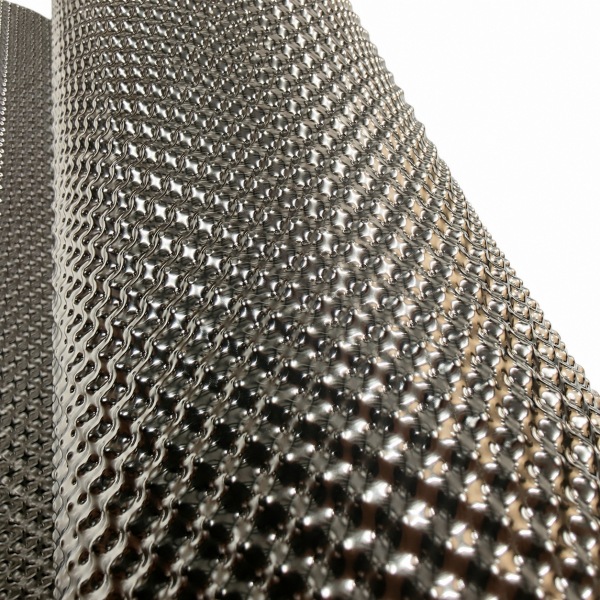
Bahan pelindung panas embos adalah lembaran atau foil logam yang telah dibentuk secara mekanis dengan pola permukaan yang menonjol dan cekung. Geometri embos meningkatkan kekakuan struktural lembaran tipis dan membuatnya cocok untuk penghalang termal otomotif yang ringan.
Lesung pipit atau fitur embos lainnya menambahkan geometri tiga dimensi pada logam tipis. Hal ini dapat meningkatkan kekakuan panel dan membantu pelindung panas mempertahankan bentuk yang dirancang di bawah getaran dan siklus termal.
Untuk banyak pelindung otomotif berukuran tipis, embos menawarkan keunggulan struktural karena permukaan yang dibentuk lebih tahan terhadap pembengkokan dibandingkan lembaran yang benar-benar datar dengan bahan dan ketebalan yang serupa. Konstruksi yang tepat tetap bergantung pada aplikasinya.
Tidak. Paduan dasar terutama menentukan kemampuan suhu tinggi material. Embossing mengubah geometri dan perilaku mekanis lembaran; proses ini tidak mengubah aluminium atau baja tahan karat menjadi paduan dengan suhu yang lebih tinggi.
Aluminium menarik untuk penghalang radiasi yang ringan dan pelindung area luas. Baja tahan karat umumnya lebih disukai di lingkungan sisi knalpot yang lebih berat. Pemilihan material harus didasarkan pada beban termal, berat, korosi, getaran, dan posisi pemasangan.
Paduan berbasis nikel seperti Inconel 625 dapat dipertimbangkan untuk lingkungan termal yang ekstrem di mana kinerja mekanis suhu tinggi dan ketahanan terhadap oksidasi sangat penting. Paduan ini umumnya dicadangkan untuk aplikasi yang membenarkan biaya materialnya yang lebih tinggi.
Ya. Geometri embossing dapat dikembangkan sesuai dengan ketebalan material, dimensi komponen jadi, persyaratan pembentukan, dan volume produksi. Pelanggan dapat memberikan gambar, sampel, atau pelindung panas yang sudah ada untuk dievaluasi.
Tergantung pada proyeknya, material dapat dipasok untuk pemrosesan lebih lanjut atau dikembangkan menjadi komponen khusus aplikasi. RFQ harus menentukan apakah lembaran, blanko, komponen yang dibentuk, atau pelindung panas OEM jadi yang diperlukan.
Nilai dari pelindung panas otomotif yang di-emboss tidak hanya berasal dari pola permukaannya saja. Nilai tersebut berasal dari penggunaan geometri, material, dan desain pemasangan secara bersamaan.
Pola embossing yang dipilih dengan tepat dapat memberikan stabilitas struktural yang lebih besar pada logam tipis, mendukung konstruksi yang ringan, dan membantu pelindung panas jadi menoleransi getaran serta siklus termal yang ditemukan pada kendaraan nyata. Aluminium, baja tahan karat, dan Inconel kemudian dapat dipilih sesuai dengan zona termal tempat pelindung tersebut akan beroperasi.
Untuk sistem knalpot OEM, ruang mesin, konverter katalitik, turbocharger, atau aplikasi bagian bawah bodi mobil, BSTFLEX dapat meninjau gambar, sampel, dan persyaratan operasional untuk mengembangkan solusi pelindung panas logam yang di-emboss yang sesuai.
Kirimkan material, ketebalan, dimensi, gambar, kuantitas tahunan, dan informasi aplikasi yang diperlukan untuk meminta tinjauan teknik, sampel, atau penawaran harga.

No.10, Chuangxin North Road, Nanshan Park, Ningguo Economic and Technological Development Zone, Ningguo City, Anhui Province, China
telp/Whatsapp : 0086-15856303740
surel : sales@bstbraidedsleeve.com
Skype : vanesa-cheng