apa yang sedang Anda cari?

Snowmobile muffler packing should be selected from the actual silencer construction, not simply from the snowmobile engine size or whether the machine is described as two-stroke or four-stroke. Fiberglass, stainless steel wool, basalt fiber and other high-temperature packing materials can all appear in suitable exhaust designs, but their functions and supply forms are different.
For replacement and OEM projects, the most useful information includes the perforated-core diameter, muffler shell dimensions, effective packing length, existing material, dry filling weight, metallic protection layers and required packaging format.
BSTFLEX supplies muffler packing materials for powersports, motorcycle, automotive and industrial exhaust systems, including loose fiber, mats, packing pillows, contained socks, stainless steel wool, retaining screens and custom repacking kits.
A serviceable snowmobile muffler or silencer may use one or more of the following:
The correct material depends on the original exhaust construction and operating conditions.
Do not replace an identified packing system with a different fiber solely because both products are marketed as high-temperature muffler packing.
The terms are related but describe different purchasing formats.
| Term | What It Usually Means | Typical Purchasing Requirement |
|---|---|---|
| Snowmobile muffler packing | Raw or converted fibrous acoustic material used inside the silencer. | Material grade, weight, dimensions and quantity. |
| Snowmobile silencer packing | Another common description for the acoustic filling inside a powersports silencer. | Same engineering information as muffler packing. |
| Snowmobile repack kit | A prepared package containing the material and, where specified, other service components. | Model or silencer fit, packing quantity, kit BOM, labels and hardware. |
| Universal muffler packing | Bulk or standard-size material intended to be cut or weighed by the installer. | Available material quantity plus confirmation that it suits the actual silencer. |
| OEM preformed packing | A supplier-controlled component developed for a specific production silencer. | Drawing, dimensions, fiber charge, tolerances and annual volume. |
BSTFLEX supplies a Muffler Repacking Kit as well as individual packing materials for customers that assemble their own kits.
Before choosing snowmobile exhaust packing, determine whether the exhaust component actually contains a serviceable fibrous packing section.
A packed absorptive silencer commonly contains:
Other exhaust components may use chambers, baffles or tuned geometry instead of fibrous filling.
For an unknown silencer, open the component only according to the approved service procedure and document the original construction before removing the packing.
A two-stroke snowmobile silencer should be specified from the actual muffler geometry and material construction rather than engine displacement alone.
Useful purchasing data includes:
BSTFLEX has a separate technical guide for 2 Stroke Muffler Packing. The same specification principle applies to snowmobile applications: the silencer itself determines the packing quantity and construction.
Four-stroke snowmobile exhaust systems can also use fibrous acoustic packing in suitable absorptive mufflers.
For these applications, buyers should identify:
The BSTFLEX 4 Stroke Muffler Packing Guide discusses material selection for higher-duty four-stroke exhaust silencers.
The engine cycle is useful application information, but it is not a complete material specification.
Two snowmobile silencers can use different packing systems even when they are installed on engines with the same cycle.
Relevant differences include:
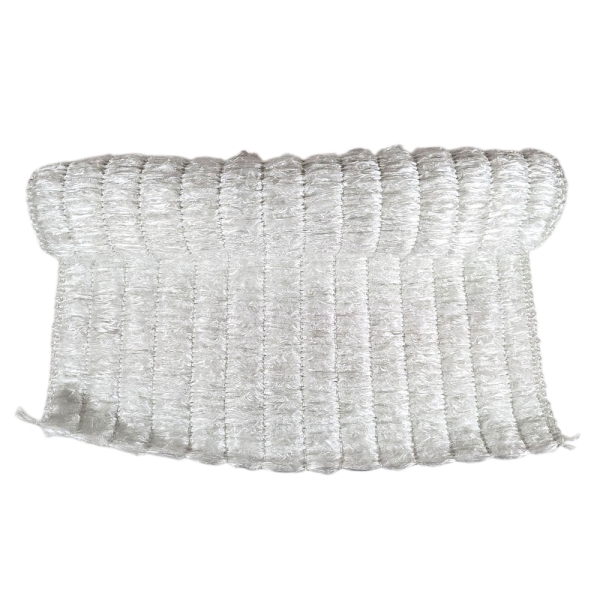
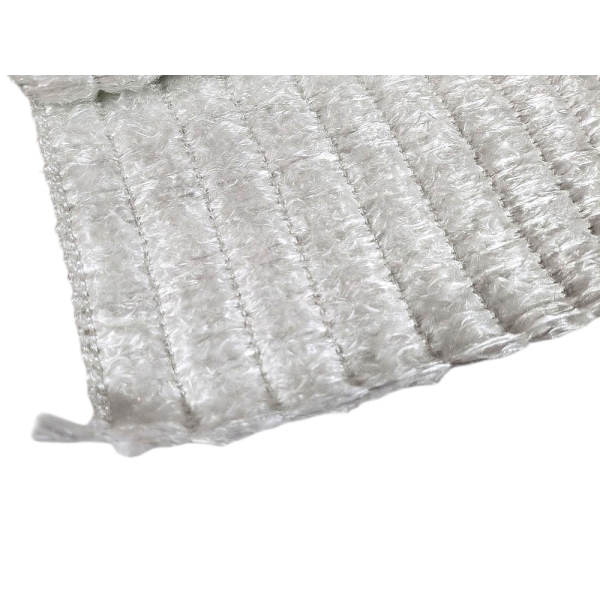
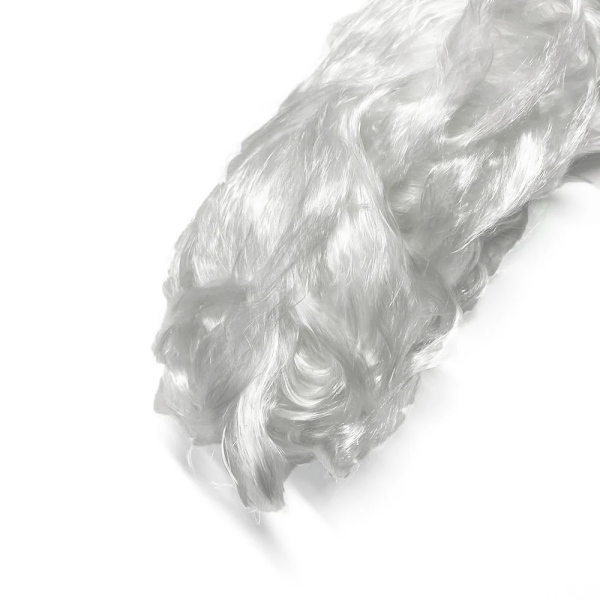
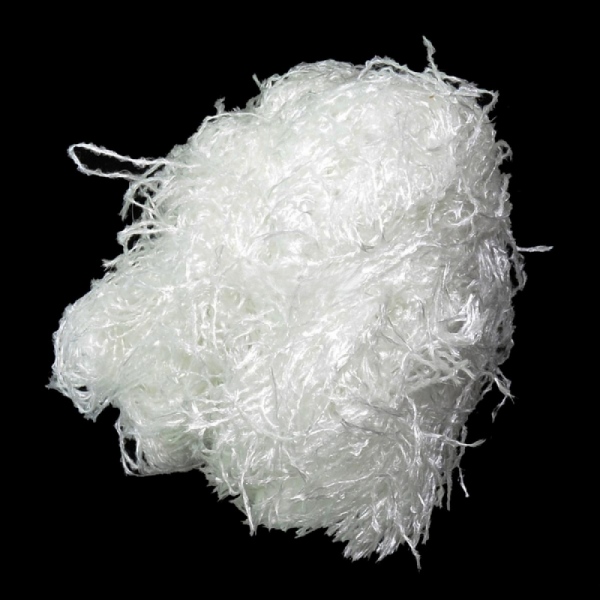
Fiberglass snowmobile packing is one of the main material directions for serviceable powersports silencers.
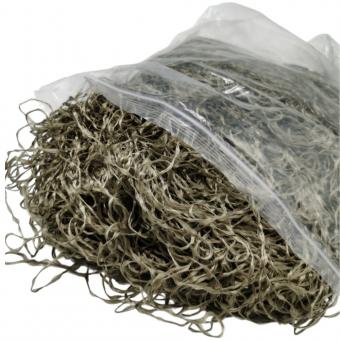
BSTFLEX fiberglass options include:
The purchase specification should identify the actual glass grade and construction instead of using fiberglass as the only material description.
| Supply Form | How It Is Installed | Main Control |
|---|---|---|
| Loose fiberglass | Weighed and distributed around the core. | Dry fiber charge and distribution. |
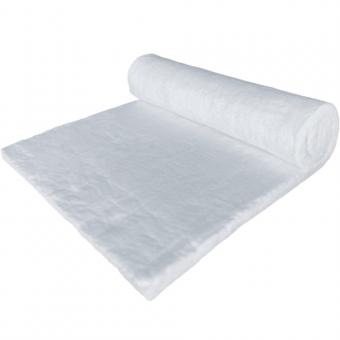
| Fiberglass mat | Cut and wrapped around the perforated tube. | Areal weight, dimensions and overlap. |
| Expanding fiberglass sheet | Installed in compressed form and released under approved heating conditions. | Fiber weight, cut pattern and release specification. |
| Contained fiberglass component | Inserted as a preassembled packing part. | Dimensions and fiber filling weight. |
There is no single best format for every snowmobile silencer. The manufacturer's assembly or service method determines which supply form is most practical.
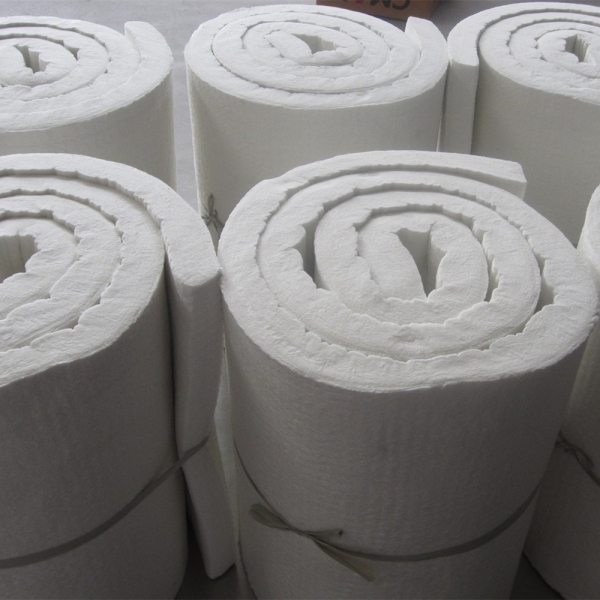
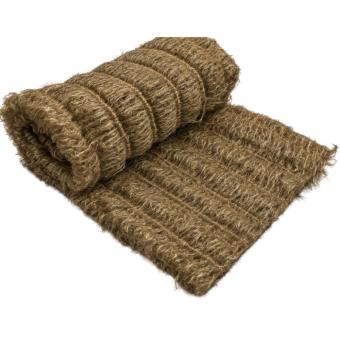
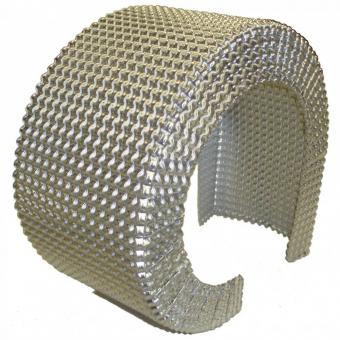
Stainless steel wool muffler packing may be used as a metallic acoustic material or as a protective layer around the perforated core.
A layered packing structure can look like:
Perforated core → stainless steel wool → fiberglass packing → outer canister.
BSTFLEX supplies:
Do not assume that every fiberglass-packed snowmobile silencer needs a stainless steel wool layer. Follow the original design or validate the proposed composite construction.
A metallic wool layer and a wire retaining screen are different components.
Stainless wool is a fibrous metallic structure.
A retaining screen provides mechanical containment and may help prevent movement of the main packing material.
BSTFLEX supplies a Stainless Steel Exhaust Screen for Muffler Packing Retention.
For an OEM bill of materials, specify the wool and the screen separately, including material, weight, dimensions and installation position.
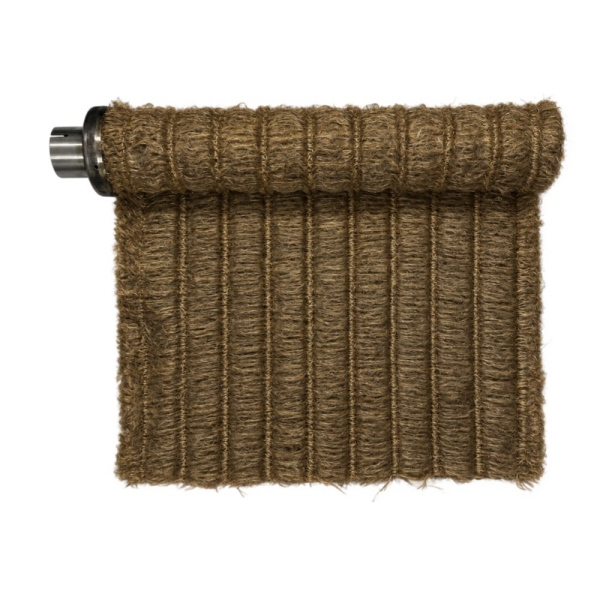
Basalt fiber is another material option that can be evaluated for a suitable snowmobile silencer.
BSTFLEX now supplies two distinct basalt packing forms:
Basalt should not automatically replace fiberglass because of a single temperature number. Compare the actual fiber grade, filling weight, installed structure and validated exhaust conditions.
Where an exhaust specification specifically requires ceramic fiber, BSTFLEX supplies a Ceramic Fiber Muffler Packing Mat.
Ceramic material should be treated as a separate engineering choice rather than a universal upgrade for snowmobile repacking.
Confirm:
A snowmobile muffler packing pillow can simplify service or production when the required fiber quantity is already contained in a defined component.
BSTFLEX supplies a Muffler Packing Pillow for suitable applications.
Compared with bulk fiber, a preformed pillow can shift several controls upstream to the packing supplier:
The pillow still needs to match the actual muffler cavity and installation route.
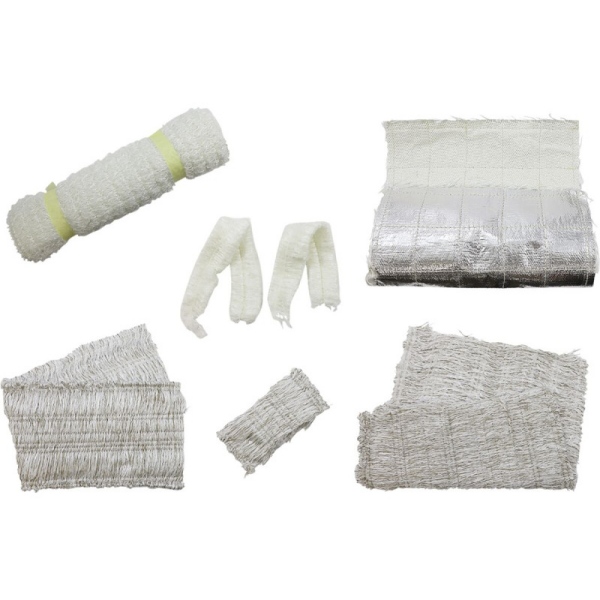
For applications where loose fiber handling is undesirable, a contained packing sock can be another option.
The BSTFLEX Fiberglass Muffler Packing Sock uses fiberglass yarn filling inside a woven fiberglass mesh bag.
Custom parameters can include:
Use the original manufacturer's filling quantity whenever a valid specification is available.
For a simple cylindrical packing chamber with a centered core, theoretical packing volume can be estimated from:
V = π × (D2 - d2) × L / 4,000,000
with dimensions entered in millimeters, where:
If an approved installed density is already known:
Dry fiber charge = net packing volume × approved installed density.
This calculation converts an approved density into a production quantity. It does not establish the correct density for a new silencer.
A common repacking instruction is to fill a muffler as tightly as possible. That is not a controlled engineering specification.
Too little packing can leave voids or allow material movement.
Excessive compression can alter the intended fiber structure.
For repeatable assembly, use:
Record the following dimensions before ordering a universal or custom snowmobile repack kit:
For oval or irregular silencers, a drawing or cross-sectional photograph is more useful than only providing the external canister dimensions.
| Kit Type | Advantages | Main Risk |
|---|---|---|
| Universal packing | Flexible inventory and compatibility with multiple custom applications. | Installer must determine the correct quantity and dimensions. |
| Model-specific kit | Can contain a controlled amount of packing for a known silencer. | Fit must be based on the actual exhaust part, not only the vehicle model. |
| OEM preformed kit | Can integrate material weight, shape, labeling and hardware into one production item. | Requires drawing and sample approval before production. |
A snowmobile model name alone may not be enough to define the kit because aftermarket and replacement exhaust systems can use different muffler geometries on the same machine.
The bill of materials should be based on the silencer being serviced.
A kit may include:
Not every kit needs every item.
The BSTFLEX Muffler Repacking Kit demonstrates a multi-component kit direction. For private-label programs, the final BOM can be developed around the customer's silencer.
Inspection should follow the exhaust manufacturer's service requirement where available.
For an unknown or development application, useful inspection indicators include:
These observations do not automatically identify the cause. Inspect the complete internal construction before changing materials.
A removed snowmobile silencer can contain less fiber than it originally had because of material loss.
It can also contain additional mass from:
For reverse engineering, record used packing weight as historical data rather than automatically treating it as the target dry charge.
An unused reference part, original drawing or approved production record is more useful when available.
Snowmobile use occurs in a cold external environment, but that fact alone does not determine the correct muffler packing material.
For material selection, distinguish between:
If moisture reaches the acoustic cavity, identify the source and confirm that drains, seams and service openings are functioning as designed.
Do not classify a fibrous packing material as waterproof unless that property has been established for the actual product.
For exhaust manufacturers and private-label brands, packing can be supplied as a controlled production component rather than only as generic bulk material.
Possible OEM supply formats include:
BSTFLEX can review drawing- and sample-based projects through its OEM Muffler Packing Manufacturing Service.
A private-label program can be built around a specific exhaust product family.
Packaging options may include:
Before printing fitment information, validate the kit against the actual muffler or silencer part number.
| Inspection Item | What to Check |
|---|---|
| Material identity | Correct fiberglass, basalt, ceramic or stainless material reference. |
| Dry packing weight | Approved charge or component weight. |
| Dimensions | Mat size, sock dimensions, pillow geometry or cut-piece profile. |
| Metallic components | Correct steel wool, screen or core sleeve where required. |
| Condition | No unacceptable moisture, oil, contamination or shipping damage. |
| Kit contents | Correct BOM and quantity for each package. |
| Traceability | Part number, lot, revision and required production documentation. |
| Packaging | Correct artwork, barcode, labels and carton quantities. |
| RFQ Item | Information to Provide |
|---|---|
| Application | Snowmobile, engine type and exhaust application. |
| Engine cycle | 2-stroke or 4-stroke. |
| Exhaust identification | OEM or aftermarket silencer part number where available. |
| Core | Outside diameter and effective perforated length. |
| Shell | Inside diameter or internal cross-section. |
| Existing packing | Fiberglass, basalt, stainless wool, composite or unknown. |
| Fiber quantity | Approved dry weight or existing specification where known. |
| Operating conditions | Continuous and peak temperatures with measurement location. |
| Supply format | Loose fill, mat, pillow, sock, expanding sheet or complete kit. |
| Quantity | Prototype order, production volume or annual demand. |
| Packaging | Bulk, individual, private label or retail kit. |
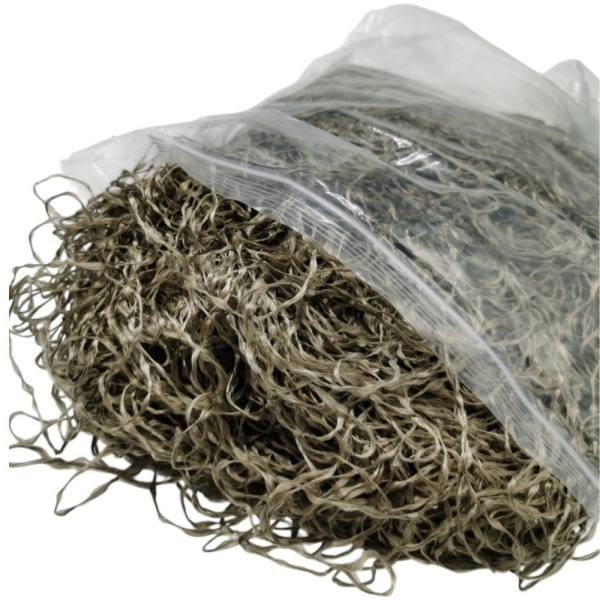
There is no single best material for every snowmobile silencer. Use the original approved packing where available. For new development, compare fiberglass, basalt, stainless steel wool and other materials against the actual silencer geometry, temperature, packing quantity and retention structure.
The same material families can be used in suitable designs, but the correct packing quantity, dimensions and construction belong to the specific silencer. A motorcycle packing specification should not automatically be transferred to a snowmobile exhaust.
Fiberglass and other high-temperature fibrous materials can be used in serviceable two-stroke silencers. The exact material and quantity should match the exhaust design.
Yes, where the approved construction calls for it. Stainless steel wool may be used as a metallic packing layer or near the perforated core to protect the surrounding acoustic fiber.
Use the specified dry filling weight or installed density rather than an instruction to pack the material as tightly as possible.
Use the original exhaust specification when available. Otherwise determine the net packing cavity and develop the required dry fiber charge through sample and exhaust validation.
BSTFLEX can review custom and private-label repacking kits based on an exhaust drawing, dimensions, unused packing sample or approved material specification.
Yes, where the customer defines the required bill of materials. Packing, metallic layers, screens and suitable kit components can be specified separately for the finished package.
Send BSTFLEX the snowmobile exhaust drawing, silencer part number, perforated-core dimensions, packing cavity dimensions, existing material, dry packing weight and required order quantity.
For an unknown replacement application, provide photographs and an unused reference packing component where possible. For private-label supply, include required kit contents, artwork, labels and annual volume.
Browse the complete BSTFLEX Muffler Packing range or review the OEM Muffler Packing Manufacturing Service.
Request Snowmobile Muffler Packing Samples and an OEM Quote

No.10, Chuangxin North Road, Nanshan Park, Ningguo Economic and Technological Development Zone, Ningguo City, Anhui Province, China
telp/Whatsapp : 0086-15856303740
surel : sales@bstbraidedsleeve.com
Skype : vanesa-cheng