apa yang sedang Anda cari?
packing knalpot 4 tak harus mengelola energi akustik saat beroperasi di samping inti knalpot berlubang yang panas untuk jangka waktu yang lama. Pada sistem knalpot sepeda motor, ATV, UTV, balap, dan performa, spesifikasi packing yang tepat bergantung pada lebih dari sekadar apakah mesin tersebut hanya digambarkan sebagai empat tak.
Suhu knalpot, dimensi peredam, volume packing, jenis serat, kepadatan terpasang, kecepatan gas, getaran, dan posisi packing relatif terhadap inti berlubang semuanya memengaruhi pemilihan material.
BSTFLEX menyediakan fiberglass, serat basal, wol baja tahan karat, dan konstruksi packing knalpot yang disesuaikan untuk aplikasi penggantian dan produksi peredam knalpot OEM.
Lihat Material Packing Knalpot | Minta Rekomendasi Packing
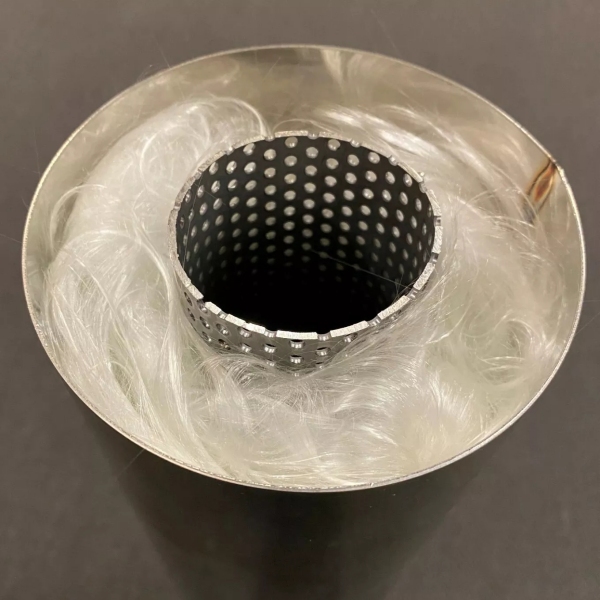
Peredam empat tak biasanya menggunakan bagian penyerapan di mana material packing mengelilingi inti berlubang. Gas buang tetap berada di dalam inti sementara energi akustik melewati lubang-lubang ke dalam material berserat di sekitarnya.
Untuk aplikasi yang menuntut, material yang dekat dengan inti mungkin terpapar panas, getaran, dan denyut knalpot yang berkelanjutan. Oleh karena itu, pertanyaan teknisnya bukan sekadar:
"Packing apa yang cocok untuk knalpot empat tak?"
Spesifikasi yang lebih berguna menanyakan:
BSTFLEX menawarkan beberapa arah material untuk peredam knalpot empat tak. Material tersebut tidak boleh dianggap sebagai produk yang dapat dipertukarkan hanya karena semuanya dapat digambarkan sebagai packing suhu tinggi.
| Arah Material | Mengapa Material Tersebut Mungkin Dipilih | Pertanyaan Spesifikasi Umum |
|---|---|---|
| Packing knalpot fiberglass | Material packing akustik umum untuk peredam knalpot sepeda motor, powersports, dan performa. | Konstruksi serat, berat packing, kepadatan, dimensi, dan suhu layanan. |
| Packing knalpot serat basal | Konstruksi serat mineral alternatif untuk aplikasi yang memerlukan kemampuan termal lebih tinggi daripada packing fiberglass konvensional. | Suhu operasi, bentuk packing, berat serat, dan kondisi layanan yang diperlukan. |
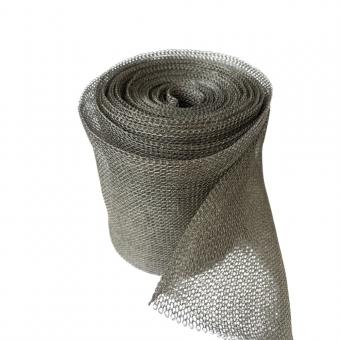
| Wol baja tahan karat | Dapat diposisikan di dekat inti berlubang sebagai packing logam atau lapisan pelindung di mana panas dan erosi serat menjadi pertimbangan penting. | Kelas baja, struktur serat, ketebalan lapisan, berat packing, dan posisi di dalam peredam. |
| Sistem packing komposit | Menggabungkan material yang berbeda sehingga lapisan dalam mengelola kondisi inti yang parah sementara lapisan berserat di sekitarnya menyediakan volume packing akustik utama. | Urutan lapisan, kombinasi material, dimensi, berat pengisian, dan metode penahanan. |
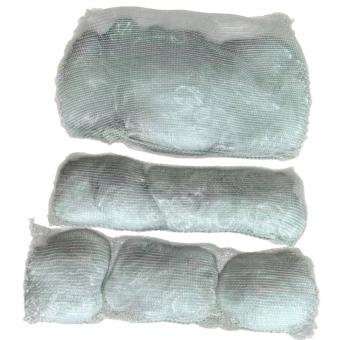
| Packing yang sudah dikemas | Packing berserat yang ditahan dalam kantong jaring, bantal, atau kaus kaki untuk penanganan yang lebih bersih dan perakitan produksi yang dapat diulang. | OD akhir, ID, panjang, berat pengisian, kepadatan, dan pengemasan. |
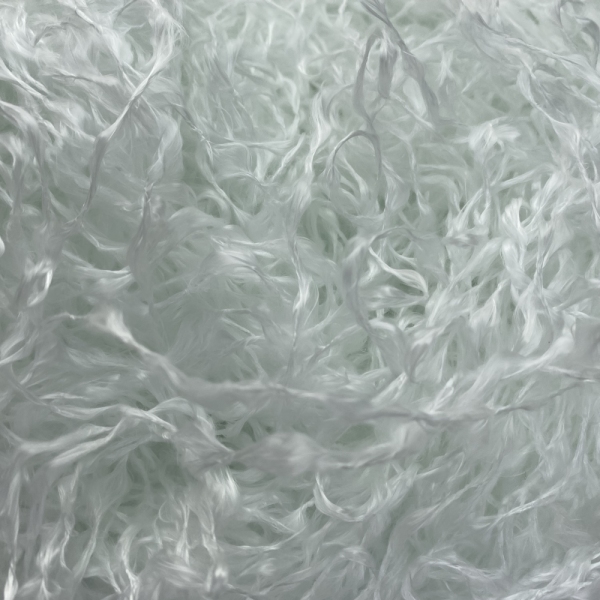
Fiberglass tetap menjadi pilihan penting untuk packing knalpot 4 tak karena struktur kaca berserat dapat memberikan penyerapan akustik sekaligus menahan suhu yang jauh melampaui bahan isolasi organik biasa.
Namun, spesifikasi sebenarnya harus mengidentifikasi konstruksi serat kaca daripada hanya menyebut bahannya sebagai "fiberglass."
Detail pembelian yang penting meliputi:
Untuk produksi OEM atau aplikasi di mana penanganan serat lepas tidak diinginkan, BSTFLEX dapat menyediakan Fiberglass Muffler Packing Sock dengan Kantong Jaring Kaca Tenun. Isian serat kaca tertampung di dalam struktur jaring kaca tenun dan dapat disesuaikan menurut diameter, panjang, berat isian, dan kepadatan packing yang diperlukan.
Aplikasi empat tak tidak semuanya beroperasi pada suhu yang sama. Sepeda motor performa, mesin balap, dan sistem pembuangan tugas berat dapat memberikan kondisi termal yang lebih menuntut pada material yang paling dekat dengan inti berlubang.
BSTFLEX menawarkan LAVA Rock Fiber Basalt Muffler Packing sebagai pilihan material lain untuk aplikasi peredam suhu tinggi.
Basalt tidak boleh dipilih hanya karena memiliki kemampuan suhu yang lebih tinggi di atas kertas. Desain knalpot yang lengkap tetap menentukan apakah itu material yang tepat.
Saat mengevaluasi packing basalt, berikan:
Wilayah yang tepat di sekitar tabung berlubang dapat mengalami kombinasi panas knalpot, pergerakan gas, dan getaran yang paling parah.
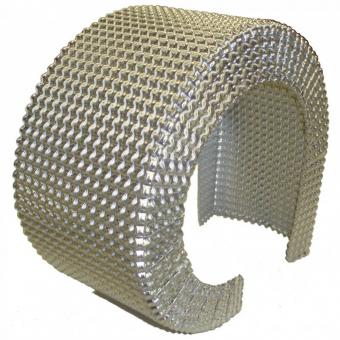
Oleh karena itu, beberapa konstruksi peredam suhu tinggi menggunakan lapisan logam di antara inti berlubang dan packing akustik berserat utama.
Tergantung pada desain knalpot, lapisan ini mungkin menggunakan wol baja tahan karat, material logam rajut, atau layar penahan.
BSTFLEX menyediakan Stainless Steel Exhaust Screen untuk Penahan Packing Knalpot untuk aplikasi yang memerlukan penahanan packing tambahan.
Tujuan dari komponen tersebut berbeda dari isian akustik utama. Oleh karena itu, komponen tersebut harus ditentukan secara terpisah pada gambar OEM atau daftar material.
Salah satu pendekatan yang berguna untuk peredam suara empat langkah yang berat adalah konstruksi berlapis, alih-alih mengisi seluruh rongga knalpot dengan satu bahan.
Susunan yang disederhanakan dapat terdiri dari:
Susunan ini memungkinkan setiap bahan menjalankan tugas yang berbeda. Lapisan dalam logam dapat membantu melindungi serat di sekitarnya dari kondisi langsung di sisi inti, sementara lapisan berserat menyediakan volume penyerapan akustik yang lebih besar.
Ketebalan, kepadatan, dan tumpang tindih lapisan logam yang diperlukan harus berasal dari desain knalpot yang disetujui, bukan dipilih secara sembarangan saat pengemasan ulang.
Untuk pembahasan mendetail mengenai keluarga bahan ini, lihat Stainless Steel Wool Muffler Packing for High Temperature Exhaust Systems.
Bahan yang sama dapat bekerja secara berbeda jika dipasang pada kepadatan yang berbeda.
Pengemasan yang terlalu sedikit dapat meninggalkan rongga, memungkinkan pergerakan bahan, dan mengurangi konsistensi akustik. Kompresi yang berlebihan dapat mengubah struktur serat dan dapat mencegah pengemasan berfungsi sebagaimana mestinya.
Untuk produksi knalpot OEM, lebih baik menentukan jumlah pengemasan yang terukur daripada mengandalkan instruksi subjektif seperti "kemas dengan kuat."
Spesifikasi produksi yang berguna dapat mencakup:
Untuk knalpot silinder dengan inti berlubang di tengah, volume pengemasan annular teoretis dapat diperkirakan dari:
V = π × (D2 - d2) × L / 4000
Jika dimensi dimasukkan dalam milimeter:
Jika kepadatan terpasang yang disetujui sudah diketahui:
Massa kemasan = volume kemasan × kepadatan terpasang.
Rumus ini menghitung volume yang tersedia. Rumus ini tidak menentukan kepadatan kemasan yang tepat untuk desain knalpot baru. Nilai yang diperlukan tetap harus berasal dari spesifikasi yang ada, pengembangan prototipe, atau pengujian aplikasi.
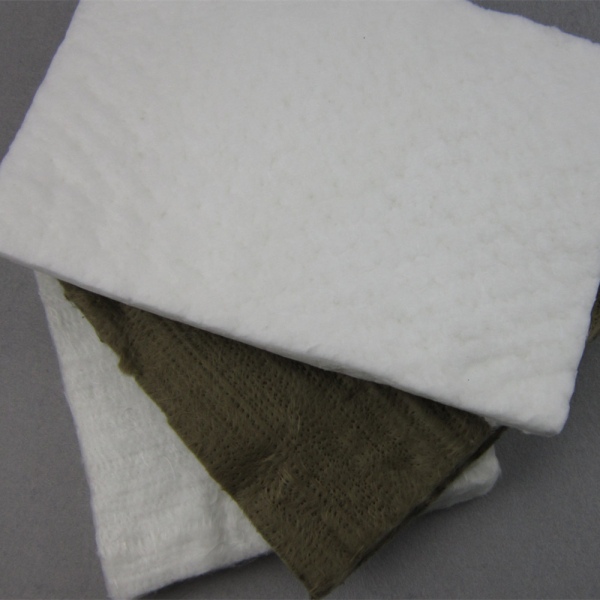
Untuk produksi berulang, menentukan jumlah serat berdasarkan berat dapat meningkatkan konsistensi antar peredam suara.
Alih-alih meminta setiap operator perakitan untuk menilai kompresi kemasan secara visual, produsen dapat menggunakan jumlah material yang ditentukan untuk setiap unit knalpot.
BSTFLEX dapat mengembangkan komponen kemasan berdasarkan:
Knalpot sepeda motor merupakan salah satu aplikasi utama untuk material kemasan knalpot 4 langkah.
Aplikasi meliputi:
Kit pengganti khusus model harus sesuai dengan knalpot yang sebenarnya, bukan hanya dipilih berdasarkan kapasitas mesin sepeda motor. Dua peredam suara yang dipasang pada mesin serupa mungkin memiliki diameter inti, dimensi cangkang, dan volume kemasan yang berbeda.
Sistem knalpot ATV dan UTV empat langkah juga dapat menggunakan kemasan akustik yang dapat diganti di sekitar inti berlubang.
Untuk aplikasi ini, pembeli harus mengidentifikasi:
Jika knalpot digunakan di bawah beban berat yang berkelanjutan, balapan, atau kondisi off-road yang berat, berikan informasi tersebut saat meminta rekomendasi material.
Aplikasi knalpot performa sering kali menimbulkan kesalahpahaman bahwa serat dengan suhu tertinggi secara otomatis adalah bahan peredam terbaik.
Dalam praktiknya, pemilihan material harus mempertimbangkan desain secara keseluruhan:
Hasilnya mungkin berupa fiberglass, basal, konstruksi serat logam, atau kombinasi multi-lapisan, bukan satu "bahan peredam balap" universal.
| Format Pasokan | Keunggulan | Pembeli Umum |
|---|---|---|
| Serat curah | Pengisian dan pemrosesan yang fleksibel | Produsen knalpot dengan proses pengisian internal yang mapan |
| Matras fiberglass | Bentuk lembaran yang pasti dan pembungkusan yang praktis | Aplikasi penggantian dan produksi |
| Bantal peredam | Pengisian yang tertampung dan jumlah yang telah ditentukan | Kit penggantian peredam dan perakitan berulang |
| Kaus kaki peredam jaring | Penanganan yang bersih dan geometri komponen yang terkontrol | Produksi OEM dan kit penggantian |
| Preform kustom | Dikembangkan berdasarkan silencer tertentu | Manufaktur knalpot OEM volume tinggi |
| Peredam komposit | Material berbeda yang ditetapkan untuk fungsi termal dan akustik yang berbeda | Silencer tugas berat dan suhu tinggi |
Untuk program knalpot baru, BSTFLEX dapat bekerja berdasarkan gambar, informasi dimensi, atau sampel peredam yang sudah ada.
Urutan pengembangan yang umum adalah:
Geometri silencer → pemilihan material → target jumlah peredam → struktur peredam → prototipe → validasi silencer → spesifikasi yang disetujui → pasokan produksi
Ini sangat berguna bagi produsen yang menginginkan komponen siap produksi alih-alih memotong dan menimbang bahan pengemas mentah selama setiap perakitan knalpot.
| Aplikasi Knalpot | Sepeda motor, motocross, ATV, UTV, balap, otomotif, atau sistem lainnya |
|---|---|
| Mesin | Tipe mesin empat tak dan kapasitas silinder jika relevan |
| OD Inti Berlubang | Dimensi terukur atau dimensi gambar |
| ID Selongsong | Dimensi internal ruang pengemasan |
| Panjang Pengemasan | Bagian pengemasan akustik yang efektif |
| Bahan yang Ada | Fiberglass, basal, wol baja tahan karat, atau konstruksi komposit |
| Berat Pengemasan | Berat kering yang ada atau berat target yang diperlukan jika diketahui |
| Suhu | Nilai kontinu dan puncak dengan lokasi pengukuran yang teridentifikasi |
| Format Pasokan | Serat, matras, bantal, kantong, kaus kaki, atau bentuk khusus |
| Kuantitas | Kebutuhan prototipe dan perkiraan volume produksi |
| Referensi | Gambar, foto, atau sampel fisik |
Produsen knalpot sering kali membutuhkan lebih dari sekadar lembaran pengemasan universal. BSTFLEX mendukung program pengemasan yang disesuaikan di mana bahan tersebut menjadi komponen produksi yang terkontrol.
Penyesuaian dapat mencakup:
Untuk kemampuan OEM tambahan, kunjungi Produsen Pengemasan Knalpot untuk Peredam Suara Knalpot OEM.
Tidak ada satu bahan pun yang terbaik untuk setiap knalpot empat tak. Fiberglass banyak digunakan, sementara konstruksi basal atau komposit dapat dipertimbangkan untuk kondisi termal yang lebih berat. Pemilihan harus didasarkan pada desain peredam, suhu packing, spesifikasi bahan, kepadatan yang diperlukan, dan sistem retensi.
Istilah-istilah tersebut mendeskripsikan aplikasi knalpot yang dituju, bukan spesifikasi bahan universal. Kedua sistem dapat menggunakan packing akustik berserat, namun kondisi termal, desain peredam, mekanisme kontaminasi, jumlah packing, dan spesifikasi OEM-nya bisa berbeda. Selalu pilih packing sesuai dengan peredam yang sebenarnya.
Ya. Fiberglass umumnya digunakan sebagai packing akustik di banyak peredam sepeda motor empat tak dan kendaraan powersports. Konstruksi serat dan suhu kerja yang sesuai tetap harus disesuaikan dengan aplikasi knalpot.
Basal dapat dievaluasi jika desain knalpot memerlukan packing serat mineral dengan kemampuan termal yang lebih tinggi daripada jenis fiberglass yang sedang dipertimbangkan. Kesesuaian yang sebenarnya harus dikonfirmasi berdasarkan suhu aplikasi, struktur packing, dan persyaratan validasi.
Pada beberapa konstruksi peredam, wol baja tahan karat ditempatkan di dekat inti berlubang sebagai lapisan pelindung logam atau lapisan packing. Ini dapat membantu melindungi bahan berserat di sekitarnya dari kondisi sisi inti yang berat. Struktur yang diperlukan bergantung pada desain knalpot asli.
Tidak ada aturan universal "sekencang mungkin" yang dapat menggantikan spesifikasi packing yang telah ditentukan. Jika memungkinkan, gunakan berat pengisian kering atau kepadatan terpasang yang ditentukan. Produksi OEM harus mengontrol nilai-nilai ini untuk meningkatkan konsistensi antar peredam.
Gunakan jumlah yang ditentukan oleh produsen knalpot jika tersedia. Untuk pengembangan knalpot kustom, tentukan volume packing yang tersedia dan tetapkan kepadatan terpasang yang diperlukan melalui spesifikasi yang ada atau validasi prototipe.
Ya. BSTFLEX dapat menyediakan konstruksi packing knalpot dari fiberglass, basal, wol baja tahan karat, dan kombinasi. Kustomisasi dapat mencakup bahan, dimensi, berat packing, kepadatan, struktur penahan, dan pengemasan sesuai dengan gambar, dimensi, atau sampel fisik.
Untuk program knalpot empat tak baru atau persyaratan packing pengganti yang ada, kirimkan gambar peredam, diameter inti, dimensi selongsong, panjang packing, bahan saat ini, berat packing, dan kondisi pengoperasian kepada BSTFLEX.
Kami dapat meninjau informasi tersebut dan mengembangkan konstruksi packing fiberglass, basal, wol baja tahan karat, atau komposit yang sesuai untuk evaluasi prototipe dan produksi OEM.

No.10, Chuangxin North Road, Nanshan Park, Ningguo Economic and Technological Development Zone, Ningguo City, Anhui Province, China
telp/Whatsapp : 0086-15856303740
surel : sales@bstbraidedsleeve.com
Skype : vanesa-cheng