apa yang sedang Anda cari?
Pada satu kendaraan, baterai terletak dekat dengan knalpot, sementara pada kendaraan lain, baterai berada di dalam kompartemen peralatan yang padat. Kedua instalasi tersebut mungkin memerlukan perlindungan termal, tetapi bentuk bagian pelindung harus mengikuti jalur panas yang mencapai baterai. Pembungkus pelindung panas baterai seringkali ditentukan di sekitar area tertentu yang terpapar. Penutup isolasi yang pas dirancang di sekitar baterai dan susunan pemasangannya.
Sebelum memilih salah satu konstruksi, identifikasi baterai, sumber panas di dekatnya, dan permukaan yang perlu dilindungi. Solusinya mungkin berupa pembungkus, penutup, atau susunan pelindung yang dimodifikasi di sekitar sumber panas.
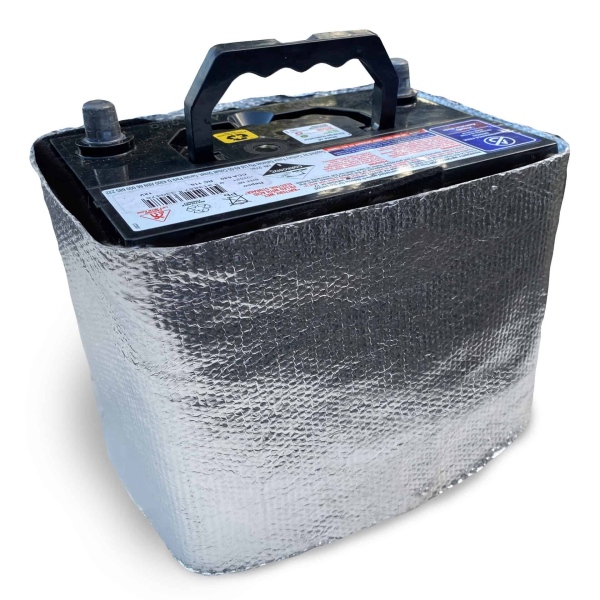
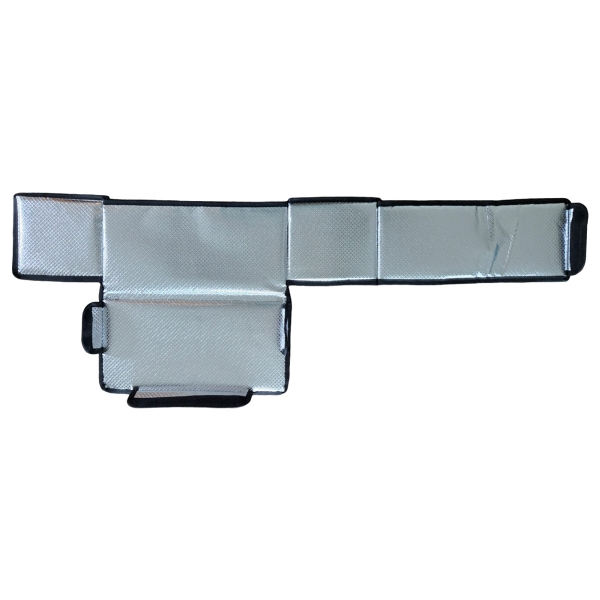
Mulailah dengan membungkus baterai jika perhatian utama tertuju pada panas yang datang dari satu arah, seperti komponen pembuangan di dekatnya atau jalur udara panas yang terkonsentrasi. Pembungkus dapat dirancang untuk melindungi sisi yang terbuka tanpa menutupi setiap bagian baterai. Lebar, tumpang tindih, dan metode pengikatannya harus sesuai dengan ruang yang tersedia dan penahan baterai.
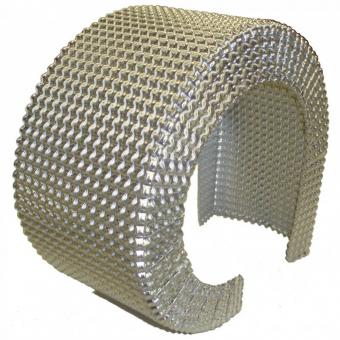
BSTFLEX menawarkanPembungkus Baterai Penyerap Asam Penghalang PanasUntuk aplikasi yang memerlukan penghalang panas zona baterai dan pertimbangan paparan elektrolit. Jika kinerja penyerapan atau ketahanan kimia sangat penting untuk proyek tersebut, tentukan cairan, kondisi paparan, dan bukti pengujian yang diperlukan dalam spesifikasi pembelian.
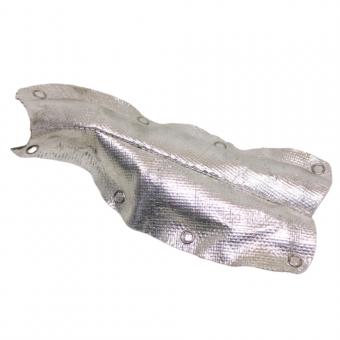
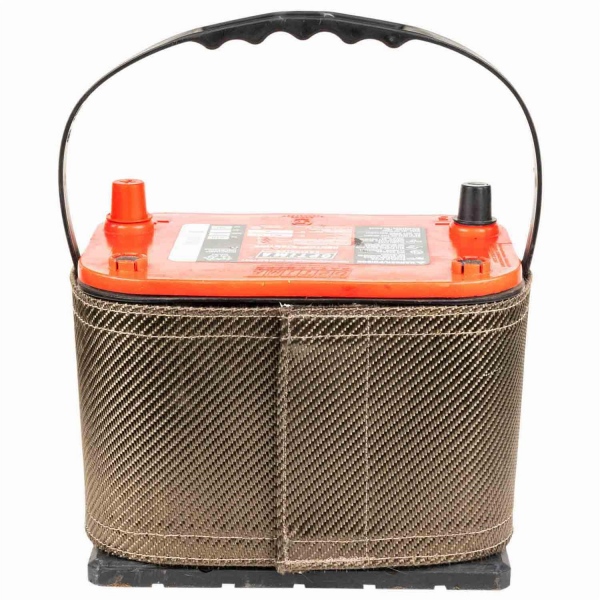
Untuk konstruksi material yang berbeda, makaPembungkus Pelindung Panas Baterai LAVAMenggunakan serat batuan vulkanik. Ini adalah pilihan yang tepat jika pembeli menginginkan penghalang tekstil yang fleksibel di sekitar lokasi baterai di ruang mesin yang panas. Pemilihan material harus diperiksa berdasarkan paparan panas aktual, ruang yang tersedia, pengaturan pengikat, dan lingkungan fluida.
Kata "pembungkus" tidak memberi tahu Anda apakah permukaan tertentu memantulkan panas radiasi, berapa banyak ruang udara yang dibutuhkan instalasi, atau apa yang terjadi ketika bersentuhan dengan komponen lain. Konfirmasikan detail tersebut dari konstruksi yang dipilih. Pembungkus yang longgar dapat bergerak karena getaran, sementara pembungkus yang ketat dapat mengganggu pengikat, kabel, atau akses servis.
Pilih penutup jika persyaratannya lebih menyangkut permukaan baterai, bentuk pemasangan yang ditentukan, atau kesesuaian yang berulang di seluruh program produksi. Alih-alih hanya menentukan panjang material, pembeli dapat menentukan panjang, lebar, dan tinggi baterai, permukaan yang akan ditutupi, lubang, dan posisi penutup.
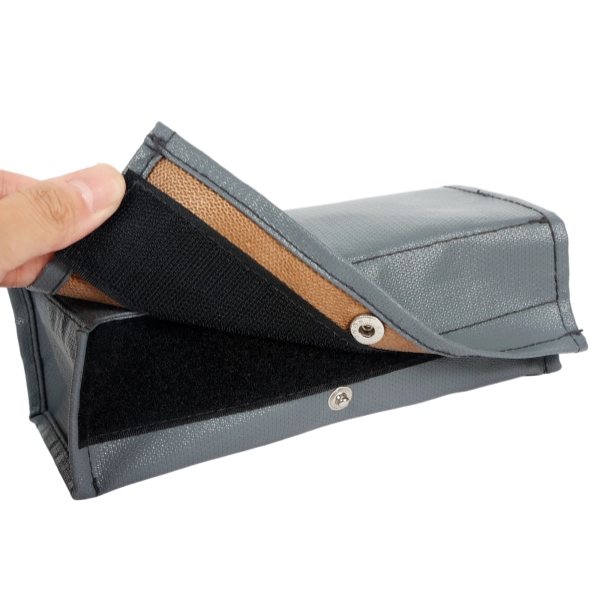
BSTFLEXCasing Pelindung Termal BateraiProduk ini relevan jika proyek membutuhkan penutup pelindung baterai yang berbentuk. Material dan dimensinya dapat didiskusikan berdasarkan gambar atau sampel. Penutup yang diminta harus menyisakan ruang untuk terminal, kabel, perangkat keras pemasangan, inspeksi, dan persyaratan ventilasi atau drainase khusus baterai.
Lapisan isolasi memperlambat perpindahan panas ke kedua arah. Hal ini dapat bermanfaat ketika udara di sekitarnya menjadi panas untuk jangka waktu terbatas, tetapi juga berarti panas dari baterai itu sendiri mungkin akan keluar lebih lambat. Untuk baterai yang menghasilkan panas signifikan selama pengisian atau pengosongan, evaluasilah siklus operasi lengkapnya daripada berasumsi bahwa lapisan isolasi yang lebih tebal selalu lebih baik.
Petakan lokasi knalpot, manifold, turbocharger, saluran panas, atau sumber panas terdekat lainnya. Sumber radiasi lokal mungkin memerlukan pelindung di sisi yang terpapar. Kompartemen yang umumnya panas mungkin memerlukan perlindungan yang lebih luas, asalkan pendinginan baterai dan persyaratan perawatan tetap terjaga.
Catat posisi terminal, jalur keluar kabel, sensor, label, penahan, dan jalur yang digunakan untuk melepas baterai. Bagian pelindung tidak boleh menutupi titik pemeriksaan yang diperlukan atau memaksa kabel ke permukaan yang panas.
Ukur jarak bebas terkecil dengan baterai terpasang, termasuk braket di dekatnya dan pergerakan penuh yang diharapkan selama penggunaan. Jika celah udara atau pemasangan terpisah merupakan bagian dari desain pelindung, tunjukkan pada gambar. Periksa bagian yang ditahan setelah getaran dan siklus termal.
Perhatikan suhu sekitar, suhu permukaan di dekatnya, kondisi pengisian dan pengosongan, serta durasi paparan panas. Suhu, ventilasi, dan petunjuk pemasangan dari produsen baterai menetapkan batasan untuk penutup yang diusulkan.
Pemasangan ulang (retrofit) memerlukan pengukuran yang dapat dilakukan pada baterai yang sudah terpasang. Program OEM juga memerlukan dimensi yang terkontrol, identifikasi material, detail pengencangan, kriteria inspeksi, dan persyaratan pengemasan agar setiap bagian terpasang dengan cara yang sama.
Baterai 12 V di samping titik panas di sisi knalpot.Mulailah dengan arah paparan radiasi. Pembungkus pada sisi yang terpapar mungkin praktis jika dapat diamankan tanpa mengganggu terminal atau penahan. Evaluasi pelindung pada sumber panas sebagai bagian dari tata letak.
Baterai pengganti di kompartemen yang sudah terpasang.Jika instalasi aslinya menggunakan penutup berbentuk, ukur baterai baru dan perangkat kerasnya sebelum memesan pengganti. Perubahan kecil pada dimensi casing atau posisi terminal mungkin memerlukan lubang yang berbeda atau pola yang direvisi.
Instalasi baterai produksi pada peralatan bergerak.Penutup yang dapat diulang dapat menyederhanakan perakitan ketika cakupan dan titik akses ditentukan pada gambar. Konfirmasikan beban termal aktual dan persyaratan material dengan produsen baterai dan peralatan.
Pembungkus atau penutup isolasi yang dirancang untuk paparan panas biasa tidak menjamin penahanan api baterai lithium atau perlindungan terhadap pelarian termal. Jika penahanan insiden adalah persyaratannya, pertimbangkan solusi yang dirancang khusus seperti...Kantong Penahan Api Bateraidengan mempertimbangkan energi baterai, dimensi, dan bukti pengujian yang relevan. Ini adalah keputusan pembelian yang terpisah.
BSTFLEX dapat meninjau informasi tersebut berdasarkanopsi pelindung panas bateraidan membahas pembungkus atau penutup yang pas untuk pemasangan tersebut.Kirim gambar Anda atau minta penawaran harga..

No.10, Chuangxin North Road, Nanshan Park, Ningguo Economic and Technological Development Zone, Ningguo City, Anhui Province, China
telp/Whatsapp : 0086-15856303740
surel : sales@bstbraidedsleeve.com
Skype : vanesa-cheng