apa yang sedang Anda cari?
Pelindung panas dinding api adalah penghalang termal yang dipasang pada sekat ruang mesin untuk mengurangi panas yang mencapai panel dan area di belakangnya. Fungsinya bukan hanya untuk menutupi permukaan seluas mungkin. Cakupan yang bermanfaat adalah area yang terpapar sumber panas, sementara bagian yang sudah jadi harus memastikan segel, kontrol, konektor, dan titik servis tetap berfungsi sebagaimana mestinya.
Dinding tahan api jarang sekali memiliki kondisi pemasangan yang seragam. Bagian di belakang pipa pembuangan mungkin memerlukan perlakuan yang berbeda dari sekat atas. Lubang untuk kabel memerlukan bukaan yang terkontrol, dan pelat akses yang dapat dilepas harus tetap dapat dilepas. Detail-detail ini harus ditandai sebelum memilih bahan isolasi dinding tahan api.
Pasokan BSTFLEXlembaran dan alas penghalang panasuntuk perlindungan termal otomotif. Untuk pelindung panas dinding api khusus, titik awalnya adalah gambar cakupan dan persyaratan pengoperasian, diikuti dengan pemilihan konstruksi material dan metode pemasangan.
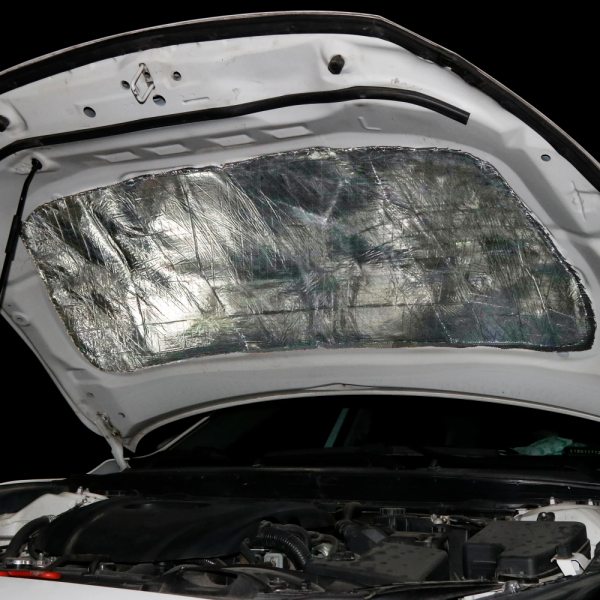
Gunakan foto atau gambar sisi mesin untuk membagi sekat menjadi zona termal dan area yang harus tetap bersih. Tambahkan posisi komponen panas di dekatnya pada tampilan yang sama. Gambar panel bodi saja tidak menunjukkan mengapa satu bagian pelindung membutuhkan perhatian lebih daripada bagian lainnya.
Identifikasi bagian-bagian yang menghadap manifold knalpot, rumah turbin turbocharger, atau pipa knalpot. Catat posisi relatifnya dan jarak terkecil yang diharapkan saat beroperasi. Periksa tata letak melalui pergerakan mesin dan knalpot yang diizinkan, bukan hanya saat semuanya dingin dan diam.
Garis luar pelindung harus menutupi zona yang terpapar tanpa bersentuhan dengan sumber panas. Jika ruang tidak mencukupi, ubah geometri atau susunan pemasangannya. Peringkat suhu serat yang lebih tinggi bukanlah pengganti ruang yang cukup.
Tandai grommet pengikat kabel, penutup kolom kemudi, sambungan pemanas, jalur kabel, dan lubang lainnya. Penghalang tersebut membutuhkan ruang di sekitar fitur-fitur ini agar tidak menggeser segel, membebani konektor, atau membatasi bagian yang bergerak.
Lubang pelindung panas bukanlah pengganti grommet atau fitting sekat kedap udara. Demikian pula, membentangkan lembaran reflektif di atas lubang yang rusak tidak memperbaiki dinding api. Atasi kerusakan pada panel dan komponen penyegelnya secara terpisah.
Tunjukkan penutup, pengencang, label identifikasi, dan titik inspeksi yang harus tetap mudah diakses. Identifikasi juga di mana pelindung dapat benar-benar ditopang atau diikat. Bentuk besar yang tidak terputus mungkin tampak sederhana pada gambar, tetapi menjadi tidak praktis setelah peralatan di sekitarnya dipasang.
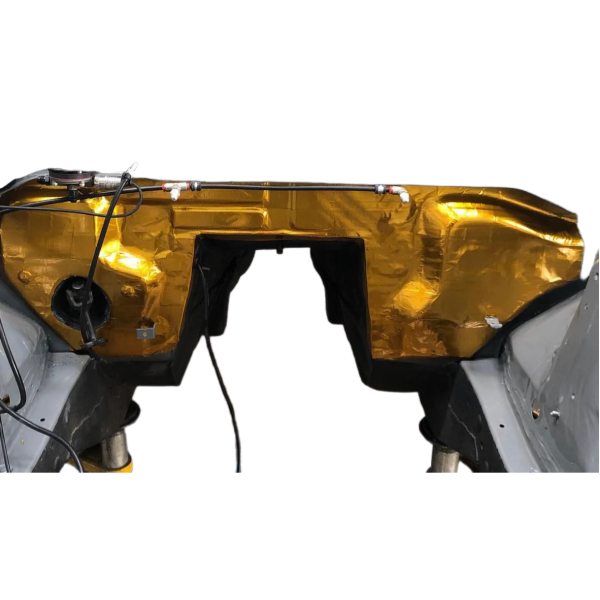
Istilah isolasi dinding api dapat menggambarkan beberapa perlakuan yang berbeda. Perisai reflektif sisi mesin mengatasi paparan radiasi sebelum mencapai sekat. Isolasi sisi kabin mengatasi perpindahan panas di dalam rakitan interior. Lapisan peredam suara memiliki tujuan lain dan membutuhkan spesifikasi kinerja tersendiri.
Untuk konstruksi reflektif sisi mesin, permukaan reflektif yang terbuka menghadap sumber radiasi. Lapisan reflektif yang tertutup oleh trim atau ditekan ke permukaan padat lainnya tidak memberikan fungsi penghalang radiasi yang sama. Material yang dirancang untuk penggunaan di ruang mesin tidak boleh secara otomatis ditentukan sebagai lapisan interior yang terbuka.
Tidak satu pun dari deskripsi ini menetapkan klasifikasi ketahanan api. Jangan menyimpulkan penahanan api, penyegelan asap, atau kepatuhan terhadap persyaratan kendaraan dari angka suhu atau reflektivitas serat. Perisai panas dinding api tambahan tidak menggantikan sekat asli atau segel yang dibutuhkan; persyaratan kinerja tahan api apa pun memerlukan bukti terpisah untuk rakitan yang ditentukan.
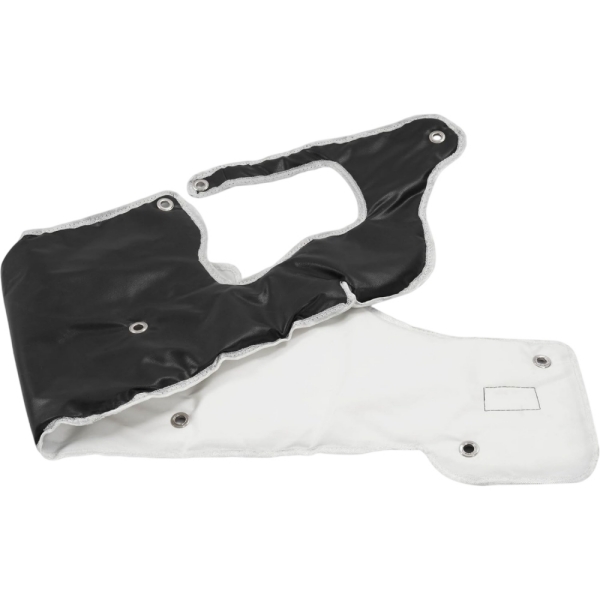
Bandingkan lapisan pelapis, tekstil atau isolasi, sistem laminasi, dan perekatnya secara bersamaan. Dua material dengan permukaan reflektif yang serupa dapat memiliki ketebalan, fleksibilitas, dan persyaratan perekat yang berbeda. Mintalah detail untuk konstruksi yang tepat yang akan dipasok.
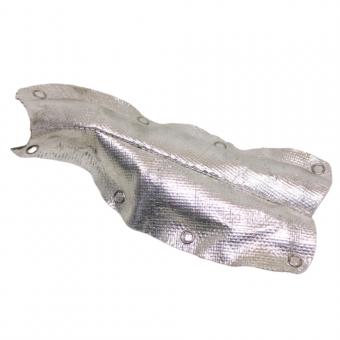
Itualas pelindung panas fiberglass aluminium berperekatMenggabungkan lapisan aluminium, lapisan fiberglass, dan perekat. Ini menyediakan opsi awal untuk bagian-bagian yang dipotong sesuai ukuran pada panel yang sesuai.
Untuk aplikasi dinding tahan api, pastikan bagaimana material tersebut mengikuti rusuk dan lekukan, di mana kontak perekat penuh dimungkinkan, dan apakah ketebalan akhir menyisakan ruang yang cukup di sekitar bagian-bagian terdekat. Persetujuan harus mencakup laminasi dan perekat, bukan hanya lapisan fiberglass saja.
Itupenghalang pelindung panas aluminium silika berperekatMenggunakan substrat silika anyaman dengan lapisan reflektif. Produk ini dapat dipertimbangkan untuk proyek-proyek yang membutuhkan silika dalam konstruksi materialnya.
Mengganti substrat tidak secara otomatis meningkatkan suhu antarmuka perekat yang diizinkan. Tentukan paparan berkelanjutan, puncak durasi singkat, dan kondisi pada panel yang direkatkan sebelum memilih bagian jadi.
BSTFLEX juga menawarkanpenghalang panas aramid berlapis aluminiumuntuk aplikasi termasuk perlindungan dinding tahan api. Ini memberikan proyek pilihan substrat lain tanpa mengasumsikan bahwa setiap penghalang dinding tahan api harus menggunakan fiberglass atau silika.
Saat meminta konstruksi ini, identifikasi metode pemasangan yang diusulkan dan penyangga tepi yang dibutuhkan. Jangan berasumsi bahwa konstruksi ini memiliki lapisan perekat, sistem laminasi, atau prosedur pemasangan yang sama seperti alas berperekat.
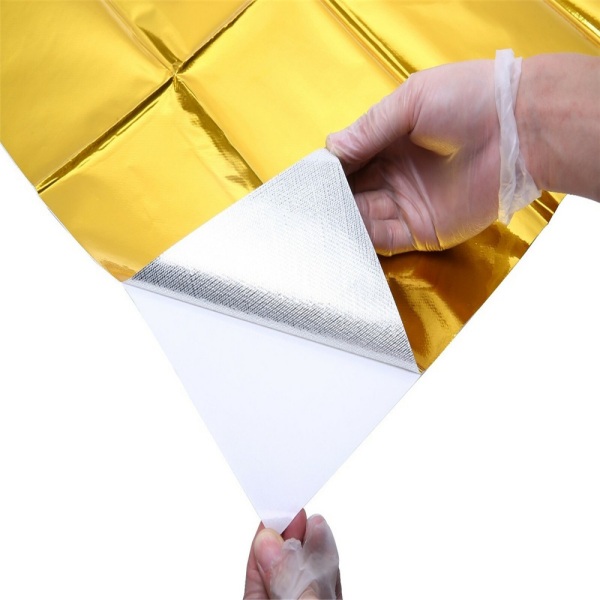
Sebuahlembaran pemantul panas emas berperekatDapat dipertimbangkan jika diperlukan lapisan reflektif tipis pada permukaan dinding tahan api atau sekat yang sesuai. Perannya berbeda dari matras isolasi yang lebih tebal.
Tampilan keemasan bukanlah peringkat kinerja universal. Bandingkan konstruksi yang didokumentasikan, batas suhu, dan hasil pemasangan, alih-alih memilih material berdasarkan warna. Konfirmasikan batas permukaan reflektif secara terpisah dari batas perekat.
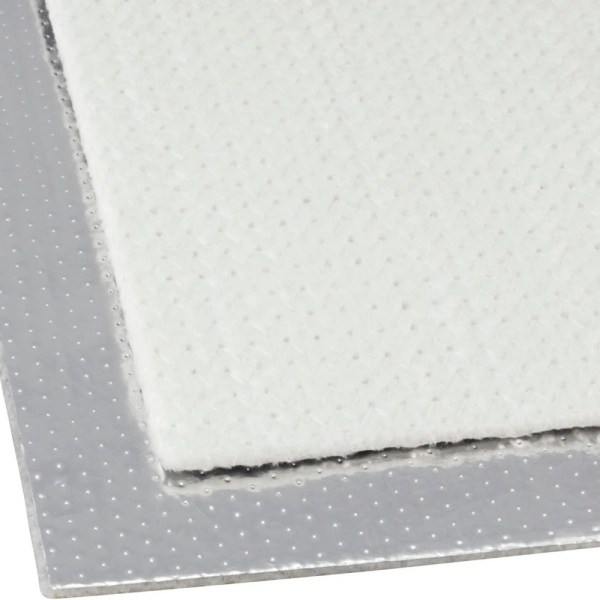
Bantalan isolasi dinding api harus diukur dari titik referensi yang dapat diulang. Letakkan lubang-lubang penting dari titik acuan yang disepakati, bukan dari tepi yang dipotong tidak beraturan. Sertakan arah pandang sehingga sisi yang menghadap mesin tidak dapat disalahartikan sebagai sisi yang menghadap kabin.
Tata letak kemudi kiri dan kemudi kanan mungkin memerlukan garis luar dan bukaan yang berbeda. Perlakukan keduanya sebagai konfigurasi gambar terpisah sampai kesesuaiannya dikonfirmasi; bentuk yang dicerminkan tidak secara otomatis menjadi versi kedua yang disetujui.
| Detail gambar | Informasi untuk mendefinisikan |
|---|---|
| Batas cakupan | Zona yang dilindungi, di luar kontur dan area yang harus tetap tidak tertutup. |
| Orientasi bagian | Permukaan yang menghadap mesin, tampilan pemasangan, varian kendaraan, dan revisi gambar. |
| Potongan dan celah | Lokasi grommet, lubang servis, jarak bebas bagian yang bergerak, dan toleransi posisi kritis. |
| Fitur lampiran | Titik pemasangan yang disetujui, permukaan perekat yang diizinkan, dan area mana pun yang harus tetap bebas dari perekat. |
| Bagian dan tepi | Potongan terpisah, sambungan atau tumpang tindih yang disetujui, perawatan tepi terbuka, dan ketebalan lokal maksimum. |
| Referensi inspeksi | Dimensi dan fitur kesesuaian yang digunakan untuk menyetujui sampel dan memeriksa bagian produksi. |
BSTFLEXkeset pemantul panas yang dipotong sesuai pesananMenyediakan jalur dari bahan lembaran ke bentuk yang telah ditentukan. Kelayakan pemotongan, bagian sempit, dan persyaratan penopang lokal ditinjau berdasarkan bahan dan proses konversi yang dipilih.
Tentukan apakah penghalang akan dipasang pada panel bodi yang kosong atau setelah mesin, kabel, dan peralatan lainnya terpasang. Garis luar yang pas selama perakitan bodi mungkin tidak mungkin diposisikan selama pemasangan ulang tanpa melepas komponen di sekitarnya.
Jika akses terbatas, pertimbangkan bagian-bagian terpisah dengan urutan pemasangan yang telah ditentukan. Jauhkan sambungan dari bukaan penting jika memungkinkan, dan tentukan tumpang tindihnya daripada membiarkan pemasang membuatnya berbeda pada setiap kendaraan. Periksa ketebalan pada sambungan terhadap ruang yang tersedia.
Untuk bagian yang direkatkan, verifikasi cat atau lapisan sebenarnya, kondisinya, dan suhu yang diharapkan pada antarmuka perekat. Untuk bagian yang ditahan, gunakan susunan penyangga yang disetujui dan nilai beban pada titik pemasangan. Pengencang tambahan dapat menahan suatu bagian, tetapi tidak membuat perekat yang terlalu panas atau laminasi yang tidak stabil menjadi layak digunakan.
Pertanyaan-pertanyaan rinci tentang ikatan kimia dibahas dalampanduan pemilihan perekat pelindung panas kupas dan tempelUntuk tata letak firewall, persyaratan tambahannya adalah segel, konektor, dan penutup servis tetap dapat digunakan setelah penghalang dipasang.
Pertimbangkan sebuah sekat dengan pipa pembuangan di dekat salah satu sisinya, konektor kabel pusat, dan penutup yang dapat dilepas di atasnya. Ini adalah contoh desain, bukan konfigurasi kendaraan yang telah diuji.
Salah satu pendekatan untuk evaluasi adalah dengan bagian khusus yang menghadap ke saluran pembuangan, bukaan terkontrol di sekitar segel konektor, dan perlakuan terpisah untuk penutup yang dapat dilepas. Pengaturan tersebut memungkinkan material dan pemasangan sisi panas dinilai tanpa perlu merekatkan satu lembaran kontinu di setiap fitur layanan.
Contoh ini tidak membuktikan bahwa pelindung yang tersegmentasi selalu lebih baik. Ini menunjukkan mengapa garis besar material, rencana pengikatan, dan akses perawatan harus dikembangkan bersama-sama. Konfirmasikan cakupan dan kesesuaian pada perakitan sebenarnya.
Tentukan titik pengukuran sebelum pengujian. Tergantung pada tujuannya, titik-titik ini dapat mencakup panel sisi mesin, antarmuka perekat, sekat sisi kabin, atau komponen sensitif suhu yang berdekatan. Suhu di satu lokasi tidak boleh dilaporkan seolah-olah menggambarkan semua lokasi lainnya.
Gunakan kondisi operasi yang sebanding saat menilai suatu perubahan: kondisi lingkungan, beban mesin, aliran udara, durasi pengujian, dan periode pasca-pemutusan yang relevan. Nyatakan suhu yang diizinkan di lokasi yang dipilih daripada mengandalkan klaim yang tidak spesifik tentang pengurangan panas kabin.
Periksa komponen setelah evaluasi termal dan daya tahan yang disepakati. Periksa adanya pengangkatan, pemisahan lapisan, bekas kontak, kerusakan pada lubang potong, dan pergeseran pada sambungan. Operasikan kontrol yang terpengaruh dan pastikan penutup akses dan konektor masih dapat diservis sebagaimana mestinya.
Rilis konstruksi material, pola jadi, dan spesifikasi pemasangan secara bersamaan. Perubahan pada permukaan, lapisan belakang, pelapis, garis luar, atau posisi lubang pembuangan di dekatnya harus memicu peninjauan terhadap kondisi persetujuan yang terpengaruh.
Untuk OEM otomotif, pemasok komponen, dan pembuat peralatan, RFQ (Request for Quotation) harus menjelaskan instalasi dan bukan hanya meminta lembar suhu tinggi. Kirimkan tata letak sisi mesin, foto, posisi sumber panas, jarak bebas operasi minimum, dan target suhu untuk area yang dilindungi.
Sertakan ketebalan material yang diusulkan, penyelesaian permukaan pemasangan, preferensi pemasangan, dan potongan yang dibutuhkan. Identifikasi varian kendaraan, batasan layanan, jumlah sampel, dan perkiraan permintaan produksi. Tandai dimensi atau nilai kinerja yang belum terselesaikan sebagai item pengembangan, bukan sebagai spesifikasi yang disetujui.
BSTFLEX dapat meninjau permintaan tersebut melaluiLayanan manufaktur dan pasokan OEM material penghalang panas.Lembaran, panel potong, dan potongan berbentuk dapat dibahas sesuai dengan persyaratan konstruksi dan gambar yang dipilih.
Kirimkan gambar pelindung panas firewall Anda untuk peninjauan material dan penawaran harga.Sampel yang disepakati menjadi dasar untuk memeriksa cakupan, pemasangan, dan kinerja termal sebelum spesifikasi produksi dirilis.
Tidak selalu. Petakan terlebih dahulu kondisi paparan dan pemasangan. Beberapa proyek mungkin menggunakan satu konstruksi di seluruh area; yang lain mungkin memerlukan pelindung lokal atau bagian layanan terpisah. Pilih pengaturan berdasarkan persyaratan termal dan validasi tata letak yang telah selesai.
Tidak. Lembaran yang dipotong tidak boleh menggantikan grommet, boot, atau fitting bulkhead yang disegel sesuai spesifikasi. Pertahankan fungsi sistem penyegelan asli dan jaga agar penghalang tetap bebas dari bagian-bagian yang bergerak atau memerlukan akses.
Tidak. Deskripsi tersebut merujuk pada tujuan kinerja yang berbeda. Perawatan gabungan memerlukan bukti untuk fungsi termal dan akustiknya, serta kesesuaian untuk sisi pemasangan yang dimaksud.
Hanya setelah tata letak yang relevan diperiksa. Posisi kemudi, jalur kabel, sambungan pemanas, dan peralatan opsional dapat mengubah bukaan atau cakupan yang dibutuhkan. Tentukan versi yang berlaku pada gambar yang telah disetujui.

No.10, Chuangxin North Road, Nanshan Park, Ningguo Economic and Technological Development Zone, Ningguo City, Anhui Province, China
telp/Whatsapp : 0086-15856303740
surel : sales@bstbraidedsleeve.com
Skype : vanesa-cheng