apa yang sedang Anda cari?
Manajemen panas knalpot tidak lagi terbatas pada pencegahan pipa panas agar tidak menyentuh komponen di sekitarnya. Platform kendaraan modern menempatkan manifold knalpot, turbocharger, konverter katalitik, sensor, kabel, sistem bahan bakar, dan modul elektronik dalam ruang yang semakin kompak. Hasilnya adalah lingkungan termal yang menantang, di mana pilihan bahan pelindung panas otomotif dapat secara langsung memengaruhi masa pakai komponen, kebebasan pengemasan, dan keandalan kendaraan.
Tidak ada satu jenis logam yang ideal untuk setiap lokasi knalpot. Pelindung bawah bodi yang diposisikan beberapa sentimeter dari pipa knalpot memiliki persyaratan berbeda dibandingkan pelindung yang dipasang di sekitar turbocharger atau konverter katalitik. Oleh karena itu, para insinyur memilih bahan pelindung panas knalpot berdasarkan sumber panas sebenarnya, celah udara yang tersedia, geometri komponen, tingkat getaran, paparan korosi, dan target bobot.
BSTFLEX memproduksi bahan pelindung panas logam berembos untuk proyek manajemen termal otomotif dan industri, termasuk lembar penghalang termal baja tahan karat, bahan pelindung panas aluminium berembos dan bahan pelindung panas Inconel Alloy 625.
Suhu di sekitar sistem knalpot tidak seragam. Beban termal berubah secara signifikan dari satu lokasi ke lokasi lain, sehingga menentukan satu bahan pelindung panas untuk seluruh kendaraan dapat menyebabkan bobot yang tidak perlu, biaya berlebihan, atau perlindungan yang tidak memadai.
Area yang paling menuntut umumnya terkonsentrasi di dekat mesin dan sistem pascapengolahan gas buang. Zona panas yang umum meliputi:
Tujuan pelindung biasanya adalah mengurangi panas radiasi yang mencapai komponen di sekitarnya, bukan sekadar menutupi permukaan panas. Oleh karena itu, manajemen termal otomotif yang efektif bergantung pada material, geometri pelindung, metode pemasangan, dan ruang udara antara sumber panas dan penghalang.
Untuk sebagian besar program otomotif, tiga kelompok logam mencakup sebagian besar kebutuhan pelindung panas kaku: aluminium, baja tahan karat, dan paduan nikel berkinerja tinggi seperti Inconel 625.
| Lokasi Otomotif | Pilihan Material Umum | Alasan Desain Utama |
|---|---|---|
| Penghalang panas radiasi ruang mesin | Aluminium | Bobot rendah dan refleksi panas radiasi yang baik |
| Pelindung knalpot bawah bodi | Aluminium atau baja tahan karat | Cakupan area luas dengan bobot yang terkendali |
| Manifold knalpot | Baja tahan karat | Siklus termal dan ketahanan mekanis |
| Konverter katalitik | Baja tahan karat | Paparan panas tinggi, getaran, dan ketahanan korosi |
| Peredam suara dan silenser | Aluminium atau baja tahan karat | Tergantung pada suhu, posisi, dan lingkungan kendaraan |
| Area turbocharger | Baja tahan karat atau Inconel 625 | Kebutuhan termal yang lebih tinggi dan siklus panas berulang |
| Motorsport dan zona knalpot ekstrem | Inconel 625 | Kekuatan suhu tinggi dan ketahanan terhadap oksidasi |
Tabel ini merupakan titik awal, bukan spesifikasi universal. Ketebalan material, tingkat paduan, jarak dari permukaan knalpot, dan geometri komponen dapat secara signifikan mengubah kinerja akhir.
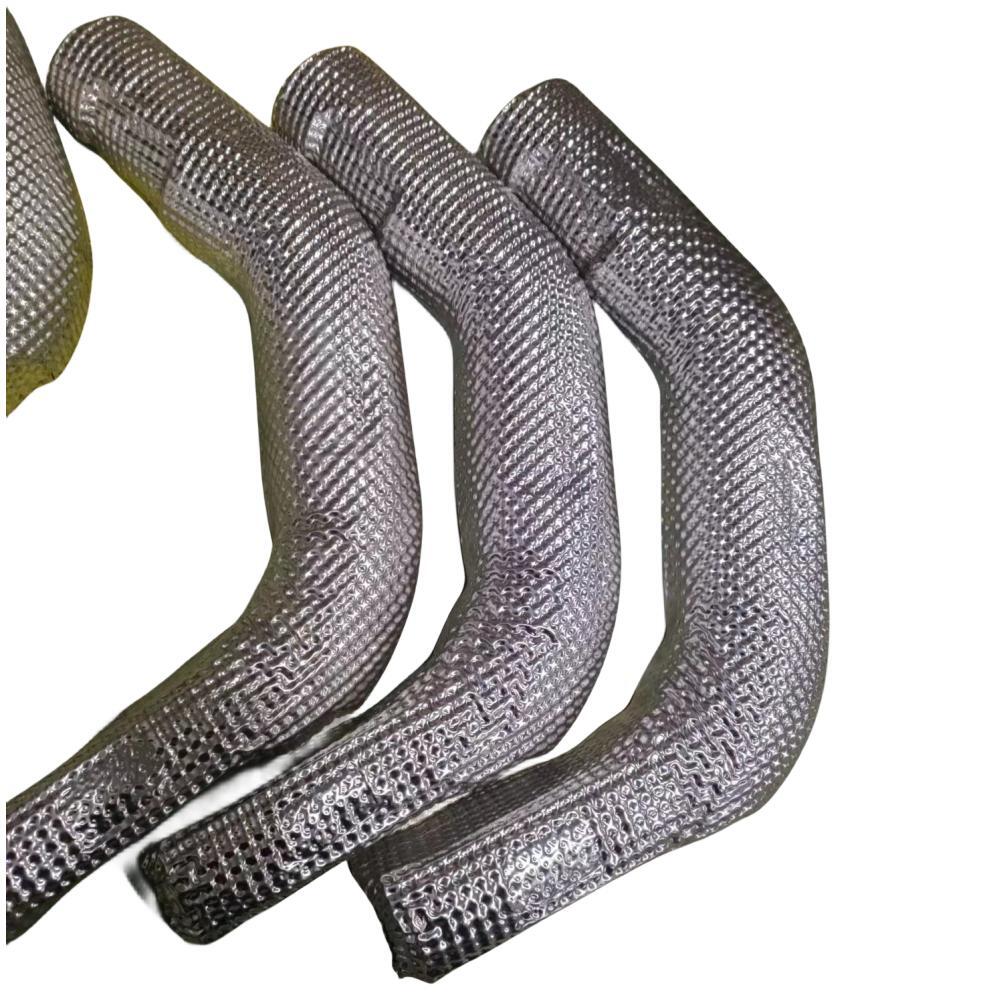
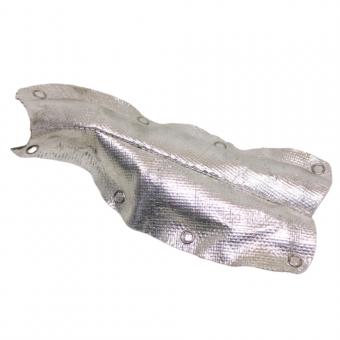
Manifold knalpot adalah salah satu lokasi tersulit untuk memasang pelindung panas logam yang kaku. Pelindung dapat dipasang dekat dengan sumber panas, terkena getaran mesin, dan berulang kali mengalami siklus antara kondisi lingkungan dan suhu operasi yang tinggi.
Karena alasan ini, baja tahan karat secara luas dianggap sebagai material pelindung panas manifold knalpot yang praktis. Kombinasi kekuatan mekanis, ketahanan oksidasi, dan ketahanan korosi membuatnya cocok untuk pelindung berbentuk yang harus mempertahankan geometrinya selama siklus pemanasan dan pendinginan berulang.
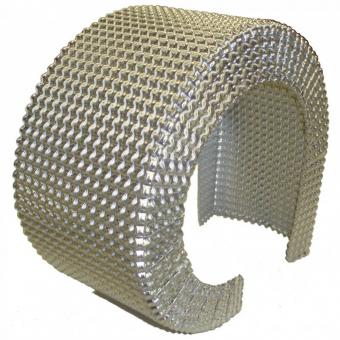
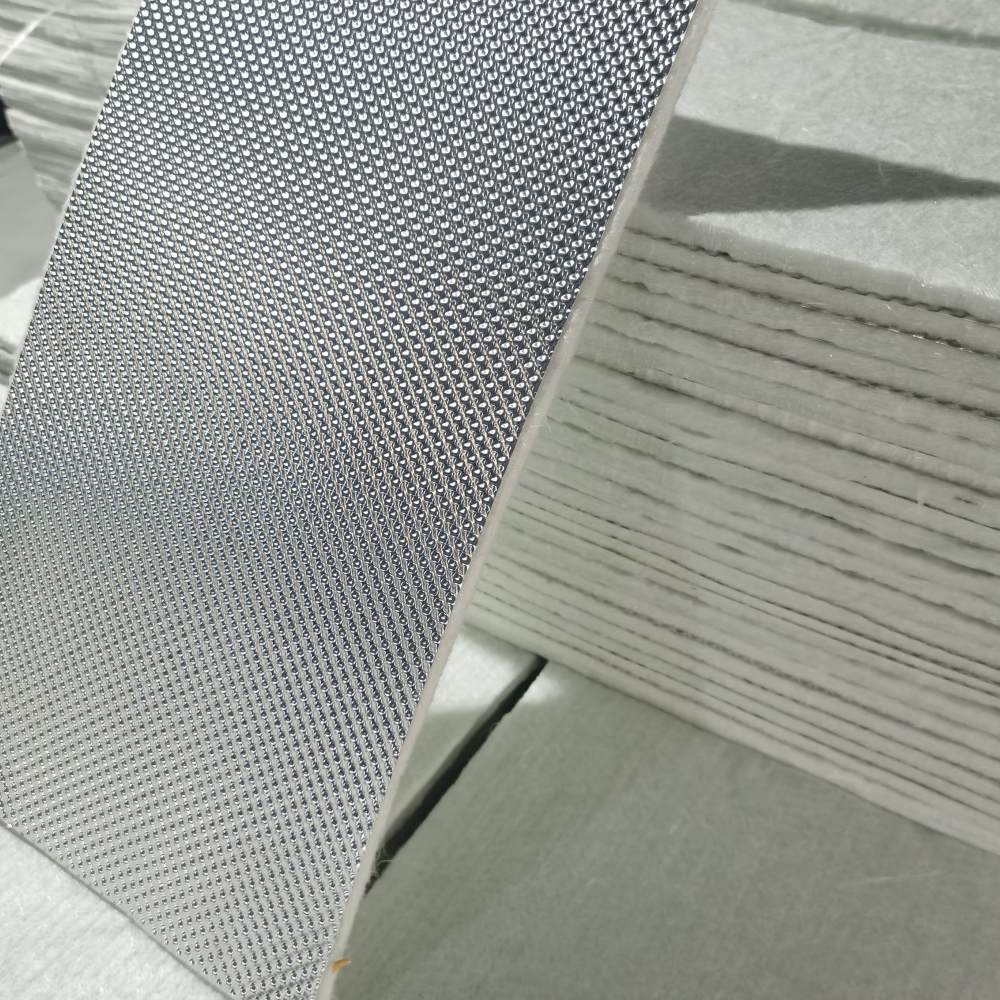
BSTFLEX lembaran penghalang termal baja tahan karat berembosdirancang untuk aplikasi yang memerlukan konstruksi logam tipis dengan kekakuan tambahan. Profil berembos memperkuat geometri lembaran tanpa hanya mengandalkan peningkatan ketebalan logam.
Konverter katalitik dapat menghasilkan beban termal terkonsentrasi di bawah kendaraan dan dekat dengan lantai kompartemen penumpang, kabel, saluran rem, sistem bahan bakar, atau rakitan lain yang sensitif terhadap suhu. Oleh karena itu, pelindung konverter katalitik perlu tahan terhadap paparan panas dan lingkungan mekanis keras yang ditemukan di bawah kendaraan.
Baja tahan karat sering dipilih karena mampu menahan panas, kontaminasi jalan, dan getaran berulang sambil mempertahankan stabilitas struktural. Bergantung pada rancangan pelindung, lapisan baja tahan karat yang dicetak atau berembos juga dapat dikombinasikan dengan celah udara atau lapisan isolasi untuk meningkatkan efek penghalang termal.
Untuk penghalang sekunder yang kurang berat dan berada lebih jauh dari konverter, aluminium ringan juga dapat sesuai. Keputusan desain harus didasarkan pada kondisi termal yang diukur atau dihitung, bukan hanya berdasarkan nama komponennya.
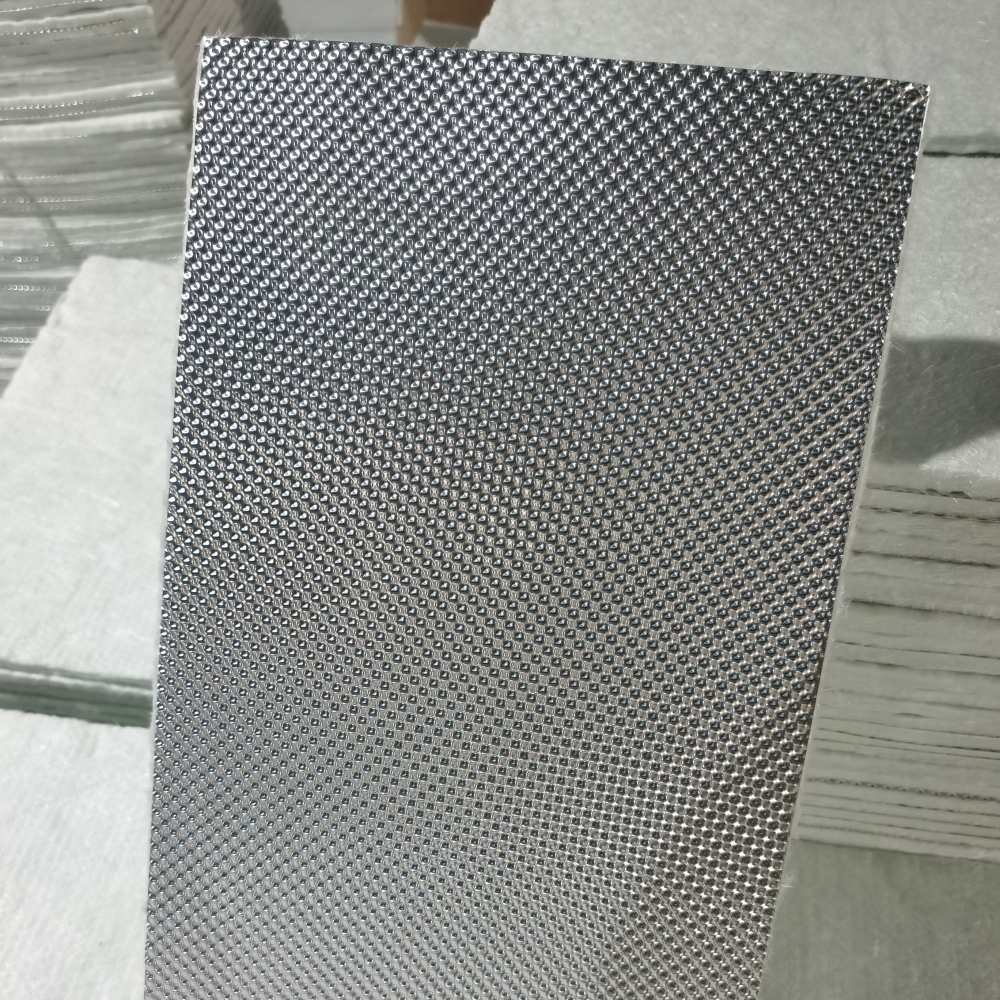
Pelindung panas bagian bawah kendaraan sering kali menutupi area permukaan yang jauh lebih besar dibandingkan pelindung manifold. Berat material yang berlebihan menjadi lebih penting ketika pelindung memanjang sepanjang terowongan knalpot, panel lantai, atau area tangki bahan bakar.
Di sinilah material pelindung panas aluminium berembosmemberikan keunggulan teknik yang berguna. Kepadatan aluminium yang rendah memungkinkan perlindungan area luas dengan tambahan massa kendaraan yang relatif kecil.
Aplikasi umum meliputi:
Pemberian emboss sangat berguna pada panel aluminium yang luas karena pola permukaan tiga dimensi meningkatkan kekakuan dan membantu mengendalikan pergerakan panel, getaran, dan deformasi.
Manajemen termal ruang mesin melibatkan masalah yang berbeda dari pelindung knalpot langsung. Tujuannya sering kali adalah menghentikan energi radiasi dari manifold, turbocharger, atau pipa knalpot agar tidak memanaskan komponen pemasukan udara, kabel, perangkat elektronik, atau panel bodi di dekatnya.
Untuk penghalang sekunder ini, aluminium sering menjadi material pelindung panas mesin yang efisien karena menggabungkan massa rendah, kemampuan dibentuk yang baik, dan pemantulan panas radiasi yang efektif.
Pelindung ruang mesin aluminium biasanya dapat dipasang di antara:
Namun, jika pelindung tersebut berada sangat dekat dengan komponen knalpot bersuhu tinggi, baja tahan karat atau paduan dengan suhu lebih tinggi mungkin lebih sesuai.
Turbocharger merupakan salah satu konsentrasi panas tertinggi dalam ruang mesin pembakaran. Selain suhu operasi yang tinggi, aplikasi turbo melibatkan perubahan suhu yang cepat, ruang pemasangan yang terbatas, dan paparan panas radiasi yang intens terhadap selang, kabel, serta struktur kendaraan di sekitarnya.
Baja tahan karat tetap sesuai untuk banyak desain pelindung panas turbo produksi, terutama ketika geometri pelindung dan celah udara direkayasa dengan tepat. Untuk mesin tugas ekstrem, aplikasi ketahanan tinggi, dan sistem knalpot motorsport, paduan berbasis nikel dapat memberikan kinerja tambahan.
BSTFLEX material pelindung panas Inconel Paduan 625ditujukan untuk lingkungan termal yang menuntut dengan kebutuhan ketahanan lebih besar terhadap oksidasi, korosi, dan kehilangan kekuatan mekanis pada suhu tinggi.
Inconel tidak boleh secara otomatis menggantikan baja tahan karat hanya karena merupakan paduan dengan kinerja lebih tinggi. Material ini memiliki biaya yang lebih tinggi dan biasanya harus ditentukan ketika kondisi operasi memang membenarkannya.
Aplikasi yang mungkin memerlukan Inconel 625 meliputi:
Ketika baja tahan karat konvensional sudah memenuhi persyaratan termal dan mekanis, penggunaan Inconel dapat menambah biaya tanpa memberikan keuntungan sistem yang berarti. Oleh karena itu, pemilihan material yang tepat merupakan keseimbangan antara kinerja termal, ketahanan, kebutuhan manufaktur, dan total biaya program.
Kesalahan umum dalam desain pelindung panas adalah hanya berfokus pada paduan sambil mengabaikan jarak antara pelindung dan sumber panas.
Celah udara dapat sangat memengaruhi kinerja penghalang termal logam. Alih-alih menempatkan pelindung panas langsung pada komponen panas, para insinyur sering membuat pemisahan terkontrol yang membatasi perpindahan panas konduktif dan memungkinkan permukaan logam berfungsi terutama sebagai penghalang radiasi.
Variabel desain penting meliputi:
Akibatnya, pelindung panas yang lebih tipis dengan posisi yang tepat dapat bekerja lebih baik dibandingkan lembaran yang lebih berat tetapi dipasang dengan jarak termal yang buruk.
Pelindung panas logam otomotif sering dibuat berembos karena lembaran datar yang sangat tipis dapat kekurangan kekakuan yang diperlukan untuk komponen besar atau kompleks. Penambahan pola bentukan mengubah perilaku struktural lembaran dan memungkinkan para insinyur membuat komponen ringan dengan kekakuan yang lebih baik.
Tergantung pada desainnya, proses embos dapat membantu:
Berbagai geometri embos dapat dikembangkan sesuai dengan ketebalan lembaran yang diperlukan, proses pembentukan, dan bentuk komponen akhir.
Tidak semua masalah termal dapat diselesaikan dengan satu lapisan logam. Beban termal tinggi atau ruang pemasangan yang terbatas mungkin memerlukan konstruksi pelindung multi-lapisan.
Lembaran logam timbul tunggal sesuai digunakan ketika pengurangan panas radiasi dan pemisahan mekanis sudah mencukupi. Sistem yang lebih menuntut dapat menggunakan dua lapisan logam dengan ruang udara atau lapisan insulasi yang ditempatkan di antara keduanya.
Rakitan multi-lapis dapat berguna di sekitar:
Manfaat konstruksi multi-lapis harus divalidasi dibandingkan dengan tambahan berat, kompleksitas pembentukan, dan biaya manufaktur.
Meningkatkan ketebalan logam dapat meningkatkan kekuatan mekanis, tetapi material yang lebih tebal tidak secara otomatis menciptakan penghalang termal yang lebih baik secara proporsional.
Pelindung panas terutama mengelola energi radiasi dan membatasi perpindahan panas ke komponen di sekitarnya. Efektivitasnya karena itu sangat bergantung pada karakteristik permukaan, geometri, dan jarak. Memilih logam yang terlalu tebal dapat meningkatkan berat komponen dan konsumsi material tanpa mengatasi masalah desain termal yang mendasarinya.
Untuk pengembangan OEM, ketebalan lembaran harus dipilih bersama dengan:
Spesifikasi pelindung panas yang berguna harus menjelaskan lebih dari sekadar nama logam. Menyediakan data aplikasi yang realistis memungkinkan produsen merekomendasikan konstruksi yang sesuai dan mengurangi siklus pengembangan yang tidak perlu.
Informasi teknik biasanya mencakup:
Jika material belum ditentukan, BSTFLEX dapat meninjau kondisi pemasangan dan membantu pelanggan mengevaluasi pilihan pelindung panas aluminium, baja tahan karat, dan Inconel.
Prinsip pemilihan material yang sama berlaku di luar mobil penumpang. Penghalang termal logam kaku juga diperlukan pada kendaraan komersial, mesin pertanian, peralatan konstruksi, ATV, sepeda motor, generator, dan peralatan bertenaga mesin lainnya.
Peralatan tugas berat dapat menciptakan lingkungan yang lebih sulit karena sistem knalpot beroperasi dalam waktu lama di bawah beban dan dapat terpapar debu, lumpur, kelembapan, serta benturan mekanis. Dalam situasi ini, daya tahan material dan desain pemasangan mungkin menjadi lebih penting daripada mencapai bobot pelindung serendah mungkin.
Untuk kendaraan performa dan balap, prioritas teknik dapat bergeser lagi menuju ketahanan terhadap suhu ekstrem, pengemasan yang ringkas, dan perlindungan komponen yang sangat sensitif terhadap suhu.
BSTFLEX menyediakan berbagai material pelindung panas kaku sehingga pelanggan dapat menyesuaikan logam dengan zona termal, bukan memaksakan satu material untuk setiap aplikasi.
Cocok untuk manifold knalpot, konverter katalitik, peredam knalpot, pipa knalpot, dan zona panas otomotif yang menuntut secara mekanis.
Lihat Material Pelindung Panas Baja Tahan Karat
Cocok untuk pelindung bagian bawah bodi yang ringan, penghalang ruang mesin, terowongan transmisi, dan perlindungan panas radiasi sekunder.
Lihat Material Pelindung Panas Aluminium
Cocok untuk turbocharger, sistem knalpot motorsport, dan aplikasi lain yang memerlukan paduan nikel berperforma tinggi karena panas ekstrem dan kondisi pengoperasian yang berat.
Lihat Material Pelindung Panas Inconel 625
Material pelindung panas otomotif terbaik bergantung pada zona pemasangan. Aluminium umumnya digunakan untuk penghalang panas radiasi yang ringan, baja tahan karat banyak dipilih di sekitar komponen knalpot, dan paduan Inconel digunakan ketika tuntutan termal dan mekanis yang sangat tinggi membenarkannya.
Baja tahan karat merupakan pilihan umum untuk pelindung panas knalpot karena memadukan kemampuan menahan suhu, kekuatan mekanis, dan ketahanan korosi. Aluminium dapat sesuai untuk penghalang sekunder yang lebih jauh dari sumber panas, sedangkan Inconel dapat dipertimbangkan untuk kondisi knalpot ekstrem.
Baja tahan karat banyak digunakan untuk pelindung panas manifold knalpot karena aplikasinya melibatkan panas radiasi tinggi, getaran, dan siklus termal berulang. Pemilihan material akhir harus mempertimbangkan suhu pengoperasian aktual, jarak dari manifold, dan konstruksi pelindung.
Baja tahan karat cocok untuk banyak pelindung panas turbo produksi. Sistem turbo balap berdaya tinggi dan bersuhu ekstrem mungkin memerlukan material berbasis nikel seperti Inconel 625.
Ya. Aluminium efektif sebagai penghalang panas radiasi yang ringan ketika suhu pengoperasian dan jarak dari sumber knalpot sesuai. Material ini sangat berguna untuk pelindung bagian bawah bodi dan ruang mesin ketika pengurangan massa menjadi hal penting.
Profil bertekstur meningkatkan kekakuan lembaran tipis, sehingga produsen dapat mengurangi bobot sambil mempertahankan bentuk dan ketahanan terhadap getaran. Kinerja termal kemudian bergantung pada desain keseluruhan, termasuk celah udara dan posisi pelindung.
Ya. BSTFLEX mendukung proyek perlindungan termal OEM dengan ketebalan material, dimensi lembaran, pola emboss, dan pengembangan khusus aplikasi yang disesuaikan. Pelanggan dapat memberikan gambar teknis, sampel, atau informasi pemasangan untuk dievaluasi.
Strategi manajemen termal knalpot yang paling efektif bukanlah mencari satu material yang unggul secara universal. Strateginya adalah membagi kendaraan menjadi beberapa zona termal dan menerapkan material yang sesuai pada setiap lokasi.
Aluminium sangat efektif ketika tujuannya adalah mengendalikan panas radiasi dengan bobot ringan. Baja tahan karat memberikan daya tahan yang lebih tinggi di sekitar komponen knalpot yang lebih panas. Inconel 625 digunakan untuk lingkungan termal berat ketika logam otomotif konvensional mungkin tidak lagi memberikan kinerja layanan yang diperlukan.
Untuk proyek knalpot, ruang mesin, atau bagian bawah bodi yang baru, BSTFLEX dapat mengevaluasi sumber panas, ruang pemasangan, ketebalan logam, dan persyaratan pembentukan Anda. Kirimkan detail aplikasi, gambar teknis, atau sampel untuk mendiskusikan material pelindung panas otomotif yang sesuai dan meminta penawaran harga.

No.10, Chuangxin North Road, Nanshan Park, Ningguo Economic and Technological Development Zone, Ningguo City, Anhui Province, China
telp/Whatsapp : 0086-15856303740
surel : sales@bstbraidedsleeve.com
Skype : vanesa-cheng