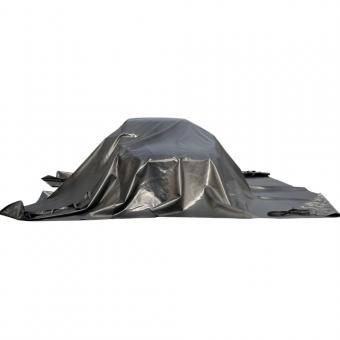
apa yang sedang Anda cari?
Pipa knalpot yang panas dapat menimbulkan masalah termal yang jauh lebih besar daripada yang diperkirakan berdasarkan diameternya.
Di dalam kendaraan, ruang generator, ruang mesin kapal, atau mesin industri, pipa mungkin hanya berjarak beberapa sentimeter dari kabel listrik, selang hidrolik, saluran bahan bakar, panel bodi, sensor, atau area servis. Begitu sistem pembuangan mencapai suhu operasi, jarak yang kecil itu dapat menjadi titik kritis dalam keseluruhan desain termal.
Di sinilah tempatnyaisolasi pipa knalpotmenjadi perlu.
Sistem isolasi yang tepat tidak hanya berfungsi untuk menutupi pipa panas. Sistem tersebut harus mampu mengendalikan panas sekaligus tahan terhadap getaran, siklus termal berulang, kontaminasi, pergerakan, dan perawatan.
Oleh karena itu, memilih insulasi hanya berdasarkan peringkat suhu saja jarang cukup.
BSTFLEX mengembangkaninsulasi pelindung panas knalpotuntuk sistem knalpot otomotif, diesel, kelautan, generator, dan industri, termasuk selimut pipa yang dapat dilepas, isolasi, pembungkus panas, selongsong fleksibel, dan penghalang termal logam.
Sebelum memilih bahan isolasi, tentukan masalah apa yang perlu dipecahkan.
Pipa knalpot mungkin memerlukan isolasi karena:
Rangkaian kabel di dekatnya mengalami panas berlebih;
Suhu di dalam kandang terlalu tinggi;
operator terpapar permukaan panas;
Panas mencapai saluran bahan bakar atau hidrolik;
Lantai kendaraan menerima panas radiasi yang berlebihan;
Ruang mesin memiliki ventilasi yang tidak memadai;
Pipa knalpot harus menahan lebih banyak panas di bagian hilir;
Peralatan di sekitarnya tidak dapat menahan suhu saat ini.
Ini adalah masalah yang berbeda.
Meskipun suhu pipa knalpot identik, sistem isolasi yang dibutuhkan mungkin berbeda.
Sebagai contoh, melindungi lantai kendaraan dari panas radiasi mungkin lebih cocok menggunakan pelindung reflektif, sedangkan mengurangi suhu permukaan luar pipa knalpot generator mungkin memerlukan selimut isolasi tebal yang dapat dilepas.
Isolasi pipa knalpot umumnya terbagi dalam empat kategori praktis.
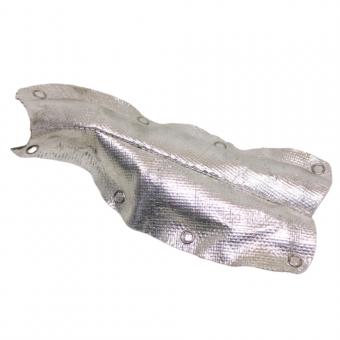
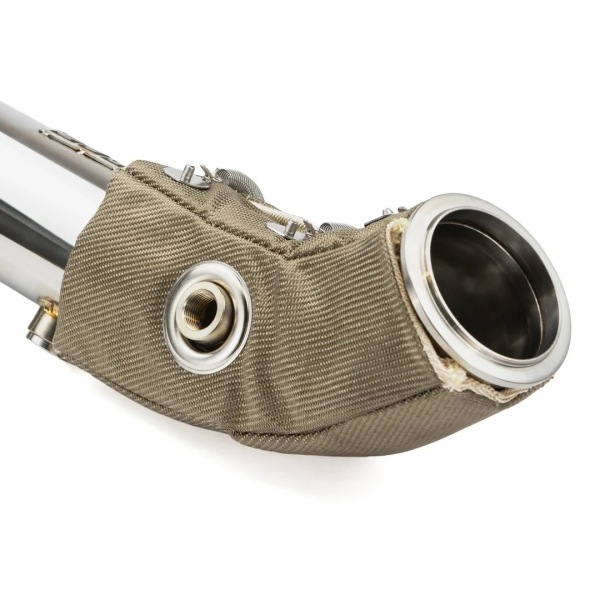
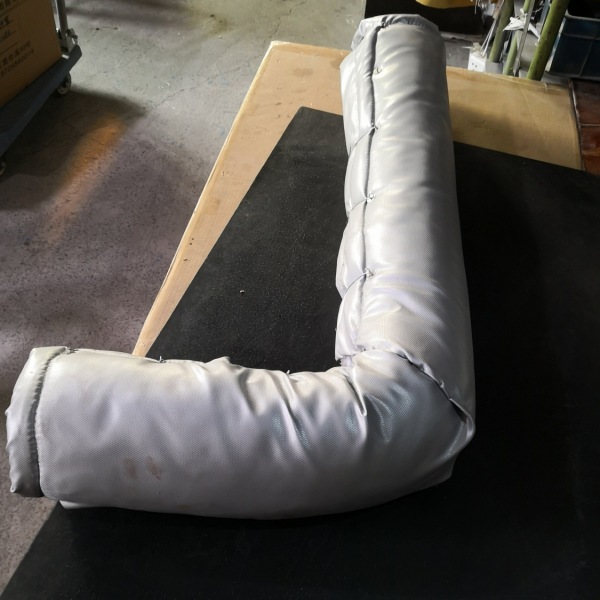
Selimut yang dapat dilepas dibuat agar sesuai dengan diameter pipa atau geometri knalpot tertentu.
Biasanya berisi:
lapisan tahan panas internal;
isolasi termal;
lapisan pelindung eksternal;
pengikatan mekanis.
Konstruksi ini sangat cocok ketika akses perawatan menjadi hal penting.
Instalasi tipikal meliputi:
generator diesel;
mesin kapal;
mesin industri;
pipa knalpot besar;
peredam suara;
siku knalpot.
Selimut tersebut dapat diproduksi dalam beberapa bagian, bukan satu bagian panjang, sehingga teknisi dapat mengambil hanya bagian yang diperlukan untuk pemeriksaan.
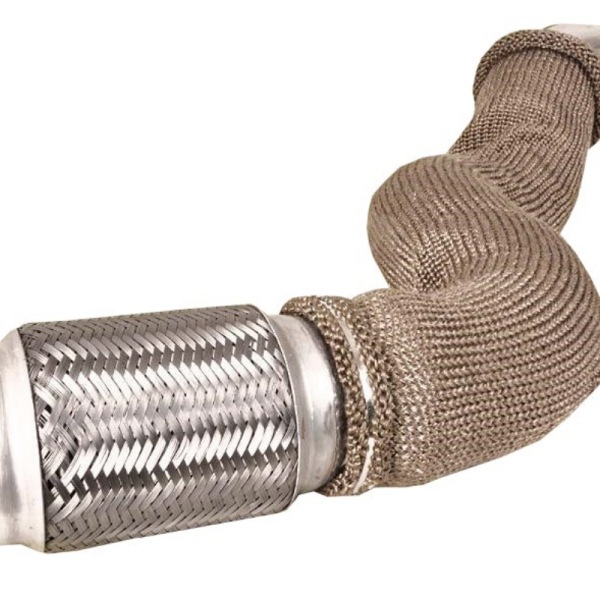
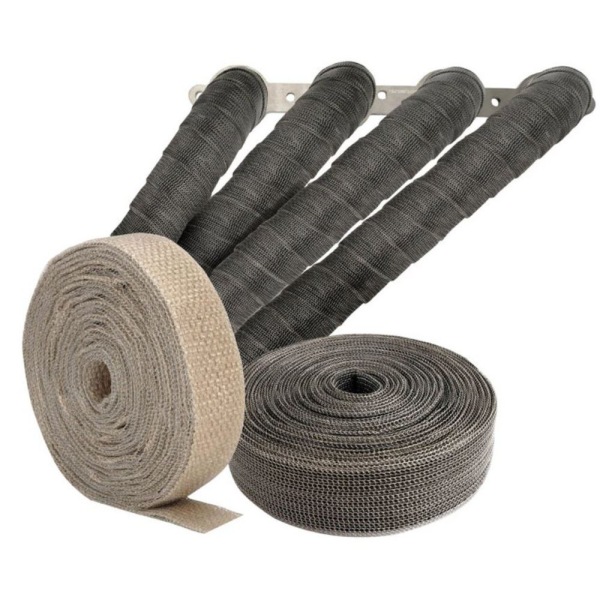
Pembungkus knalpot dipasok dalam bentuk gulungan dan dililitkan secara spiral di sekeliling pipa.
Ini banyak digunakan untuk:
manifold knalpot otomotif;
sepeda motor;
sistem knalpot performa tinggi;
pipa knalpot berdiameter kecil;
Pembuatan knalpot kustom.
Pasokan BSTFLEXPembungkus Panas Knalpot dan Headerdalam berbagai konstruksi serat suhu tinggi.
Pembungkus memberikan cara sederhana untuk mengisolasi permukaan tubular yang panjang, tetapi kurang praktis jika sistem pembuangan harus dibuka secara teratur untuk perawatan.
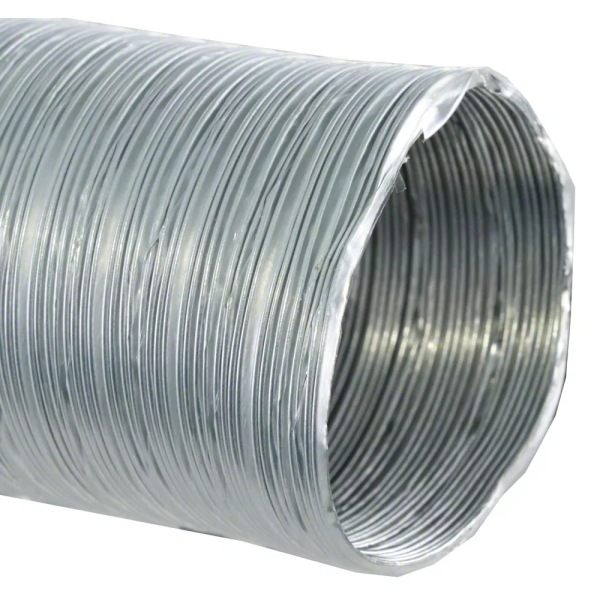
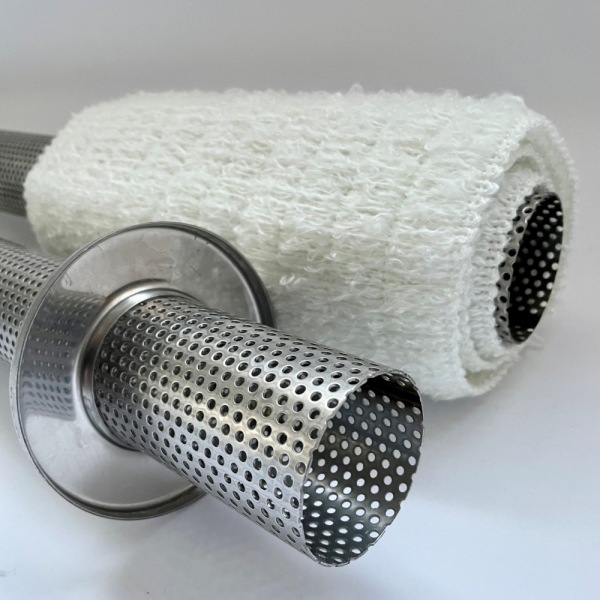
Beberapa saluran pembuangan memerlukan solusi tipe selongsong, bukan selimut yang dibuat khusus.
Isolasi fleksibel dapat dipasang pada pipa knalpot yang lebih kecil di mana diameter dan geometrinya relatif sederhana.
Sebagai contoh, BSTFLEXPelapis Isolasi Knalpot Pemanas Dieseldirancang untuk pipa knalpot kompak yang digunakan dalam aplikasi seperti sistem pemanas diesel.
Solusi selubung dan isolasi dapat sangat berguna dalam situasi berikut:
Ruang instalasi terbatas;
Pipa tersebut relatif kecil;
Liputan berkelanjutan diperlukan;
Perisai kaku akan sulit dipasang.
Pelindung logam tidak harus menyentuh pipa.
Sebaliknya, biasanya dipasang dengan celah terkontrol antara pelindung dan sumber panas.
Susunan ini sangat efektif untuk mengurangi panas radiasi ke komponen-komponen di sekitarnya.
Bahan-bahan umum meliputi:
aluminium;
baja tahan karat;
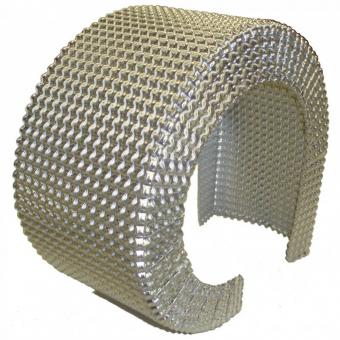
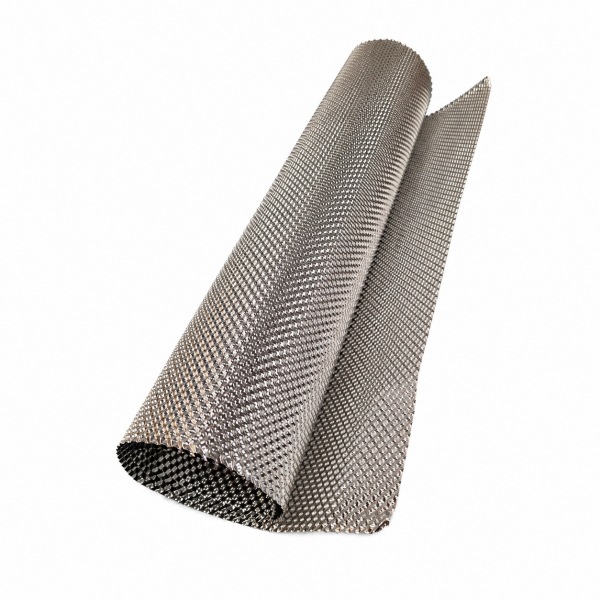
baja tahan karat timbul;
paduan nikel.
Pelindung panas berbahan logam mungkin lebih disukai ketika:
Ketebalan pemasangan harus tetap rendah;
Ketahanan terhadap benturan mekanis itu penting;
Perisai tersebut harus mempertahankan bentuk tertentu;
Panas radiasi adalah perhatian utama.
Untuk lingkungan yang ekstrem, BSTFLEX juga memproduksiPelindung Panas Paduan 625 Inconelkomponen.
Istilah-istilah ini sering digunakan secara bergantian, tetapi fungsi tekniknya bisa berbeda.
Isolasi pipa knalpotBiasanya melapisi pipa dan membatasi perpindahan panas melalui lapisan isolasi.
Sebuahpelindung panas pipa knalpotBiasanya terletak di antara pipa dan komponen yang perlu dilindungi.
Salah satunya mengandung panas.
Yang lainnya memblokir atau mengalihkannya.
Pada beberapa sistem knalpot, keduanya digunakan.
Mesin diesel mungkin memiliki selimut isolasi yang dapat dilepas di sekitar pipa knalpot, sementara pelindung baja tahan karat melindungi kotak listrik di dekatnya.
That combination can provide better thermal control than either solution alone.
Material selection should begin with continuous operating conditions.
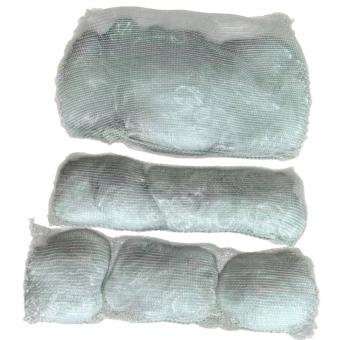
Fiberglass is one of the most widely used materials for exhaust insulation.
Advantages include:
flexibility;
good thermal resistance;
availability in many constructions;
practical manufacturing cost.
Fiberglass can be used in:
blankets;
tapes;
wraps;
sleeves;
composite heat shields.
It is often suitable for moderate and high-temperature exhaust applications where extreme temperature exposure is not continuous.
High silica material is selected when higher heat resistance is required.
It may be used as:
outer fabric;
inner hot-side layer;
insulation textile;
heat-resistant wrap.
Silica constructions are useful around:
turbocharged exhaust systems;
manifolds;
high-output diesel engines;
industrial exhaust equipment.
Basalt-based materials are frequently used in automotive and performance exhaust insulation.
They offer:
flexible installation;
strong heat resistance;
good compatibility with wrapped exhaust tubes.
Basalt is often seen in heat wrap and shaped blanket applications.
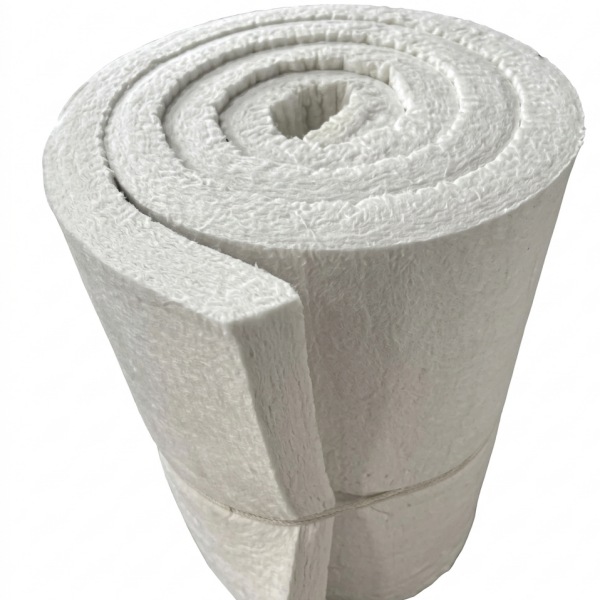
Where a greater temperature reduction is required within limited space, high-temperature insulation cores may be used.
These materials are normally enclosed within:
fiberglass fabric;
silica fabric;
stainless steel foil;
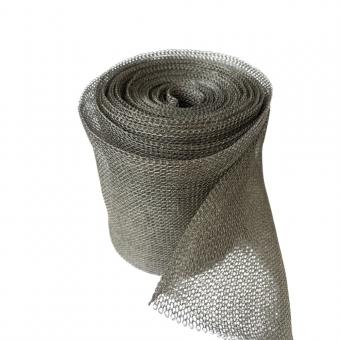
stainless steel mesh.
The insulation core should not be evaluated separately from the blanket construction.
Aluminum is primarily used as a reflective surface rather than a thick insulation medium.
Its low weight makes it particularly suitable for:
automotive underbody protection;
exhaust pipe heat shields;
muffler shields;
vehicle floor insulation.
Stainless steel is preferred where the exhaust heat shield also requires mechanical strength.
It performs well in applications exposed to:
vibration;
road debris;
repeated thermal cycling;
higher temperatures.
Nickel alloys such as Alloy 625 are reserved for demanding environments where temperature, oxidation and corrosion requirements exceed the limits of conventional sheet metals.
A thicker insulation layer generally reduces heat transfer more effectively, but this does not mean the thickest available blanket is automatically the best design.
Increasing thickness can create problems with:
component clearance;
mounting brackets;
adjacent pipe routing;
sensor access;
engine compartment packaging.
In tightly packaged automotive systems, only a few millimeters of space may be available.
In a large generator enclosure, considerably thicker insulation may be practical.
The correct insulation thickness should therefore balance thermal performance with installation geometry.
Diesel exhaust pipes frequently operate for long periods under load.
Heat containment becomes especially important in:
trucks;
construction equipment;
agricultural machinery;
industrial engines;
stationary power systems.
A removablediesel exhaust pipe insulationsystem can reduce heat released into the surrounding engine compartment while still allowing service access.
Generator exhaust piping often runs through compact acoustic enclosures.
This creates a concentrated heat source close to:
electrical cabinets;
acoustic materials;
engine components;
service areas.
A generator exhaust insulation system commonly uses removable sections around pipes, elbows and silencers.
This also allows the insulation to be removed during maintenance without replacing the entire system.
Marine exhaust systems present additional concerns including:
limited ventilation;
moisture;
salt exposure;
vibration;
restricted service space.
For dry marine exhaust systems, segmented blankets are often preferred because they allow easy access to flanges and exhaust connections.
Passenger and performance vehicles use exhaust insulation for:
headers;
downpipes;
catalytic converters;
center exhaust pipes;
mufflers.
Depending on available space, solutions may include:
wrap;
shaped blanket;
metal shield;
reflective barrier.
Industrial engines and machinery may use large-diameter exhaust lines that require customized blanket sections.
These applications often place greater importance on:
durability;
repeatable installation;
service access;
identification of individual insulation sections.
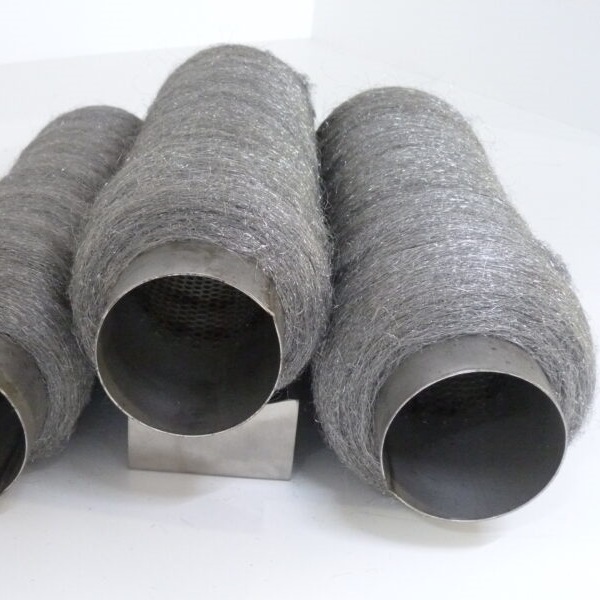
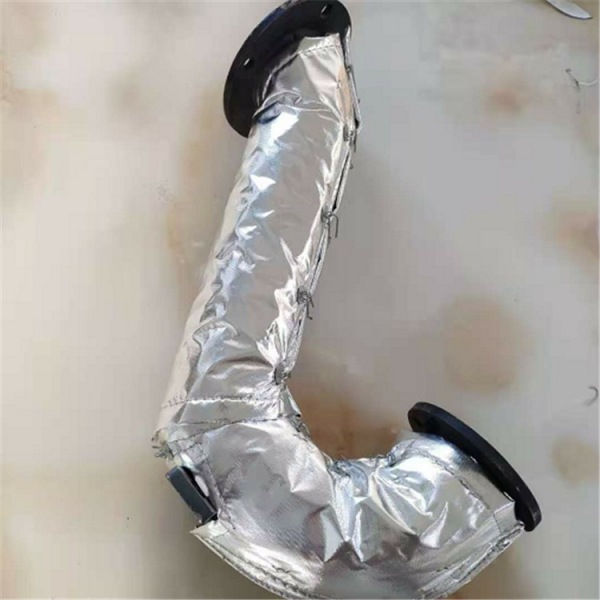
A bend is often more difficult to insulate than a straight pipe.
Wrap can follow gradual bends, but large industrial elbows may benefit from a fitted insulation blanket.
The BSTFLEXThermal Insulation Elbow Blanketis designed for curved exhaust geometry where a standard flat insulation section cannot maintain consistent coverage.
A well-designed elbow blanket should consider:
bend radius;
flange position;
pipe diameter;
seam location;
fastener access.
One of the most common weaknesses in an exhaust insulation system is the flange area.
A thick blanket may work well on the pipe but leave a large exposed metal flange.
That exposed section can become a strong local heat source.
For higher-performance systems, insulation should therefore be designed around:
flange diameter;
bolt access;
connection points;
sensors;
expansion joints.
A removable flap or separate flange blanket may be used where regular access is required.
For serious OEM projects, saying “we need exhaust insulation” is not enough.
A better specification is:
exhaust pipe operating temperature;
ambient temperature;
pipe diameter;
required outer surface temperature;
insulation thickness limit;
airflow condition.
This allows the insulation design to be evaluated against a measurable target.
Without these conditions, it is difficult to compare two insulation systems accurately.
Maintenance requirements are particularly important for:
marine engines;
generators;
mining equipment;
construction machinery;
industrial engines.
If technicians need frequent access to exhaust joints or engine components, permanent wrap can create additional maintenance work.
A removable blanket is usually more practical in these situations.
A segmented system may be designed so that:
each section has an identification mark;
only the required section is removed;
the blanket can be reinstalled after inspection.
This reduces disruption during service.
A high published temperature rating does not guarantee that the complete insulation system will perform correctly.
The full assembly must be considered.
An insulation material that performs well in a laboratory may fail quickly if it rubs continuously against a bracket or neighboring component.
Insulation should not prevent access to:
sensors;
clamps;
inspection ports;
flange bolts.
An exhaust system may need different thermal solutions in different areas.
For example:
manifold: shaped blanket;
straight pipe: wrap;
elbow: removable blanket;
muffler: metal shield.
The outer layer must suit the operating environment, not just the temperature.
Instead of selecting exhaust insulation by material name, use the following sequence.
For a simple tubular pipe:
Consider exhaust wrap or sleeve insulation.
For a pipe that requires regular inspection:
Use a removable pipe insulation blanket.
For an irregular elbow or flange:
Use a custom shaped blanket.
For protecting a nearby panel from radiant heat:
Use a metal or reflective heat shield.
For extreme heat and demanding environments:
Evaluate high-silica, high-temperature fiber, stainless steel or nickel-alloy constructions.
This approach is more reliable than choosing one product type for the complete exhaust system.
For accurate design and quotation, provide:
Pipe dimensions
outside diameter;
overall insulated length;
bend radius;
flange dimensions.
Temperature
normal operating temperature;
maximum temperature.
Installation environment
automotive;
marine;
generator;
industrial;
outdoor;
enclosed.
Service requirement
removable;
permanent;
frequency of maintenance.
Performance requirement
target external temperature;
maximum insulation thickness.
Project information
sample or drawing;
prototype quantity;
expected production volume.
The more complete the input data, the easier it is to design an insulation system that fits correctly from the first prototype.
Exhaust pipe insulation is worth considering whenever an exhaust line creates unacceptable heat exposure for the surrounding system.
The decision should be driven by actual conditions rather than by appearance.
If the objective is to lower heat around the pipe, protect surrounding components or create a safer service environment, an insulation blanket, wrap, sleeve or heat shield may be appropriate.
For applications involving multiple exhaust components, the best result often comes from combining several insulation methods.
BSTFLEX manufacturesexhaust heat shield insulation, removable blankets, exhaust wraps, lagging and custom metal heat shields for automotive, marine, diesel, generator and industrial exhaust systems.
Untuk isolasi pipa knalpot khusus, berikan dimensi pipa, suhu operasi, lingkungan pemasangan, dan jumlah yang dibutuhkan. Konstruksi isolasi yang sesuai kemudian dapat dipilih berdasarkan sistem knalpot yang sebenarnya, bukan berdasarkan peringkat suhu umum.

No.10, Chuangxin North Road, Nanshan Park, Ningguo Economic and Technological Development Zone, Ningguo City, Anhui Province, China
telp/Whatsapp : 0086-15856303740
surel : sales@bstbraidedsleeve.com
Skype : vanesa-cheng