Bahan Peredam Suara Wol Baja Tahan Karat untuk Sistem Knalpot Suhu Tinggi
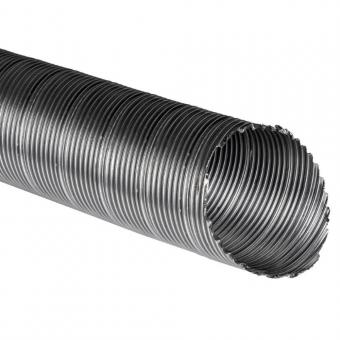
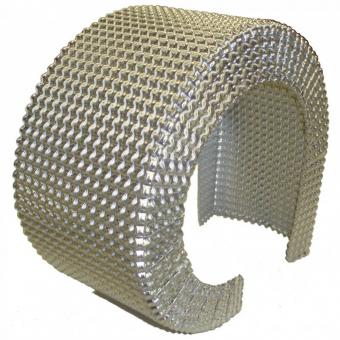
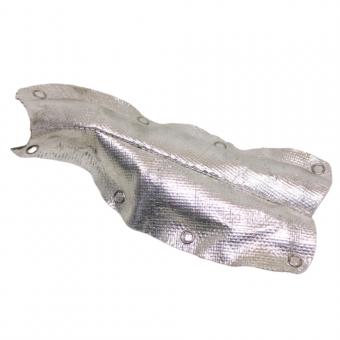
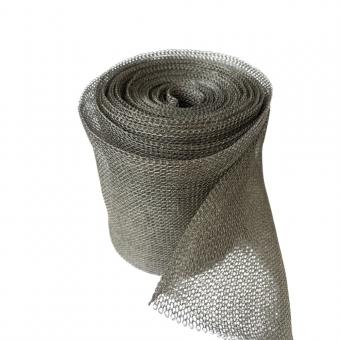
Bahan peredam suara wol baja tahan karatDigunakan dalam peredam knalpot di mana suhu tinggi, kecepatan gas buang, getaran, dan retensi serat menciptakan kondisi yang menantang untuk bahan peredam suara konvensional. Wol baja tahan karat dapat berfungsi sebagai lapisan peredam internal yang tahan lama, penghalang pelindung di sekitar inti berlubang, atau bagian dari sistem peredam komposit.
BSTFLEX memproduksi wol baja tahan karat dan konstruksi pengemas knalpot khusus untuk peredam suara sepeda motor, knalpot performa tinggi, sistem knalpot otomotif, generator, dan aplikasi akustik industri. Tergantung pada desain peredam suara, wol baja tahan karat dapat dipasok sebagai material tunggal atau dikombinasikan dengan fiberglass dan material pengemas suhu tinggi lainnya.
Untuk pilihan material peredam knalpot yang lebih beragam, kunjungiRangkaian Kemasan Knalpot BSTFLEX.
Apa itu bahan pengisi knalpot berbahan wol baja tahan karat?
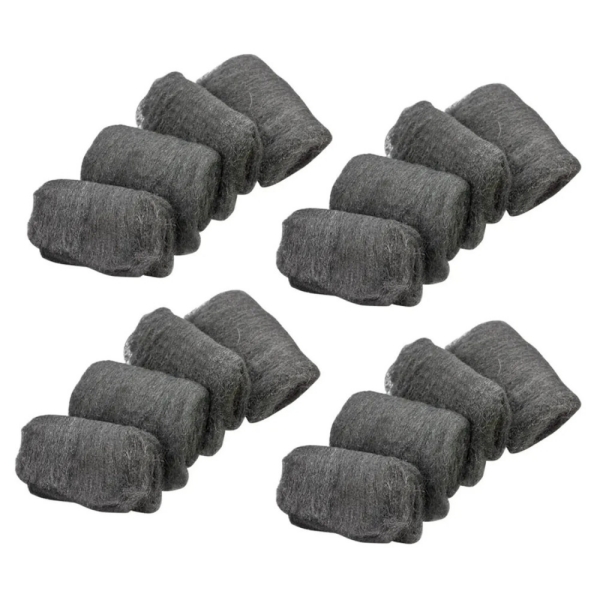
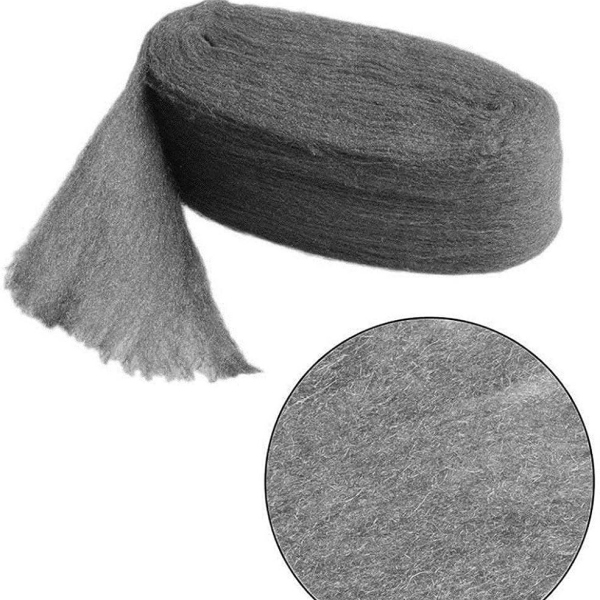
Bahan pengisi knalpot berbahan wol baja tahan karat terdiri dari serat logam baja tahan karat halus yang dibentuk menjadi struktur pengisi yang longgar, elastis, dan tahan panas. Tidak seperti serat mineral atau kaca konvensional, wol baja tahan karat bersifat logam dan dapat menahan kondisi termal dan mekanis yang berat di dalam peredam knalpot.
Pada banyak peredam suara tipe absorpsi, wol baja tahan karat ditempatkan di sekitar atau dekat inti knalpot yang berlubang. Nilai utamanya bukan hanya untuk mengisi rongga peredam suara. Material ini dapat membantu melindungi lapisan peredam suara lainnya dari paparan langsung gas buang dan memberikan struktur yang lebih tahan lama di area yang terkena turbulensi dan getaran gas.
Tergantung pada desain knalpotnya, wol baja tahan karat dapat digunakan:
- langsung di sekitar inti yang berlubang;
- sebagai lapisan kemasan pelindung bagian dalam;
- di antara tabung berlubang dan kemasan fiberglass;
- sebagai bahan pengemas suhu tinggi yang berdiri sendiri;
- sebagai bagian dari sistem isolasi akustik berlapis.
Mengapa Wol Baja Tahan Karat Digunakan di Dalam Peredam Knalpot?
Lingkungan di sekitar inti knalpot berlubang dapat jauh lebih agresif daripada bagian luar peredam suara. Denyut gas buang melewati lubang-lubang tersebut dengan kecepatan tinggi sementara isiannya terpapar getaran, siklus termal, dan gerakan mekanis.
Wol baja tahan karat sangat berguna di wilayah ini karena struktur serat logamnya memberikan kombinasi ketahanan termal dan daya tahan mekanis.
| Persyaratan Kinerja | Mengapa Wol Baja Tahan Karat Bermanfaat |
|---|---|
| Paparan suhu tinggi | Serat baja tahan karat metalik mempertahankan strukturnya pada suhu yang tidak sesuai untuk banyak material organik konvensional. |
| Aliran gas di dekat inti yang berlubang | Struktur serat logam memberikan ketahanan yang lebih baik terhadap erosi gas langsung dibandingkan banyak bahan kemasan yang rapuh. |
| Getaran | Serat logam yang fleksibel dapat mengakomodasi pergerakan di dalam peredam suara. |
| Siklus termal | Wol baja tahan karat cocok untuk pemanasan dan pendinginan berulang jika dipilih grade yang tepat. |
| Retensi pengemasan | Struktur wol yang elastis dapat mempertahankan lapisan pelindung di sekitar inti. |
| Sistem pengemasan komposit | Bahan ini dapat dikombinasikan dengan fiberglass atau bahan akustik lainnya untuk menciptakan konstruksi berlapis-lapis. |
Wol Baja Tahan Karat sebagai Lapisan Pelindung untuk Fiberglass
Salah satu aplikasi paling bermanfaat dari bahan peredam suara berbahan wol baja tahan karat adalah untuk melindungi lapisan akustik fiberglass dari paparan langsung gas buang.
Peredam suara absorpsi tipikal dapat dibangun dengan susunan sebagai berikut:
Inti knalpot berlubang → wol baja tahan karat → bantalan akustik serat kaca → cangkang peredam luar
Dalam konfigurasi ini, wol baja tahan karat tidak dimaksudkan untuk menggantikan seluruh sistem peredam suara. Sebaliknya, ia berfungsi sebagai lapisan dalam yang tahan lama antara area aliran gas yang agresif dan peredam serat kaca utama.
Lapisan fiberglass menyediakan penyerapan akustik berserat utama, sementara lapisan baja tahan karat dapat meningkatkan ketahanan terhadap erosi dan membantu mempertahankan kemasan di sekitar inti berlubang.
Hal ini sangat relevan terutama untuk knalpot performa tinggi di mana kecepatan gas buang, suhu, dan getaran dapat mempercepat kerusakan material peredam.
Wol Baja Tahan Karat vs. Bahan Pengisi Knalpot Serat Kaca
Wol baja tahan karat dan serat kaca tidak selalu harus dianggap sebagai material yang saling bersaing. Karakteristiknya membuat keduanya berguna untuk posisi yang berbeda di dalam peredam knalpot.
| Milik | Wol Baja Tahan Karat | Kemasan Serat Kaca |
|---|---|---|
| Jenis material | Serat baja tahan karat metalik | Serat kaca |
| Ketahanan mekanis | Sangat tinggi | Tinggi, tergantung pada konstruksi |
| Ketahanan terhadap erosi gas | Sangat cocok untuk aplikasi lapisan dalam yang menuntut | Sangat bergantung pada struktur serat dan retensi. |
| Penyerapan akustik | Berguna sebagai bagian dari sistem peredam suara. | Sangat cocok untuk berbagai desain peredam suara absorpsi. |
| Hambatan termal | Sangat tinggi bila jenis baja tahan karat yang tepat dipilih. | Tinggi |
| Posisi tipikal | Di dekat inti berlubang atau sebagai lapisan pelindung | Lapisan pengisi akustik utama |
| Aplikasi umum | Zona buang bersuhu tinggi dan berkecepatan tinggi | Bahan peredam suara untuk knalpot sepeda motor, otomotif, dan performa tinggi. |
Untuk perbandingan material yang lebih detail, lihatBahan Pengisi Knalpot Fiberglass vs Wol Baja Tahan Karat.
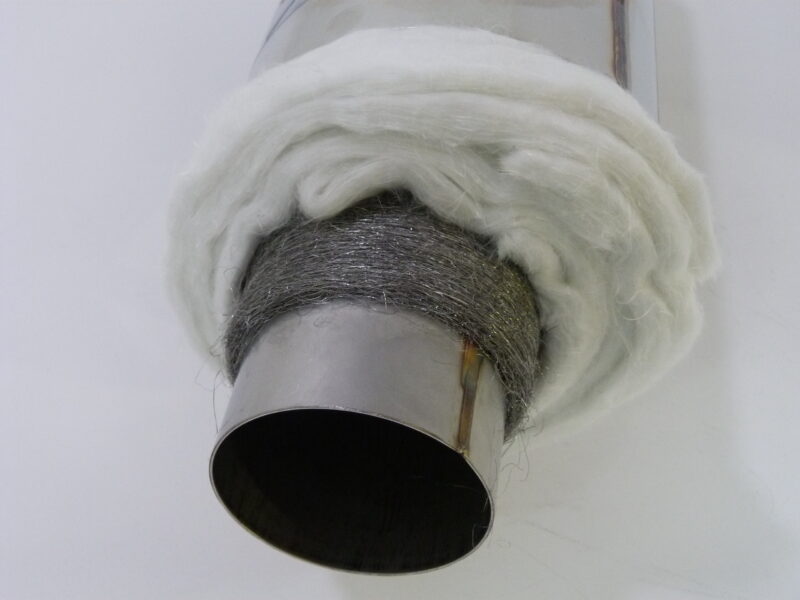
Wol Baja Tahan Karat untuk Sistem Pembuangan Suhu Tinggi
Suhu gas buang adalah salah satu parameter pertama yang perlu dipertimbangkan saat memilih bahan pengisi knalpot berbahan wol baja tahan karat. Namun, suhu tidak boleh dipertimbangkan secara terpisah.
Lingkungan layanan yang sebenarnya juga mencakup:
- kecepatan gas buang;
- denyutan gas;
- frekuensi getaran;
- siklus termal;
- bahan bakar dan produk sampingan pembakaran;
- geometri knalpot;
- kompresi pengemasan;
- kontak dengan inti yang berlubang.
Suatu material yang berkinerja baik dalam uji suhu laboratorium mungkin tidak memberikan masa pakai yang sama ketika terpapar aliran gas terus menerus dan getaran mekanis.
Oleh karena itu, jenis baja tahan karat, diameter serat, kepadatan pengemasan, dan posisi pemasangan harus dipilih berdasarkan sistem pembuangan lengkap, bukan hanya berdasarkan suhu saja.
Memilih Tingkat Baja Tahan Karat
Tidak semua produk wol baja tahan karat dapat saling menggantikan.
Jenis baja tahan karat umum yang digunakan untuk aplikasi serat logam suhu tinggi meliputi jenis dari seri 300 dan 400, tergantung pada kombinasi ketahanan korosi, ketahanan oksidasi, kemampuan suhu, dan biaya yang dibutuhkan.
| Faktor Seleksi | Mengapa Ini Penting |
|---|---|
| Suhu pengoperasian | Menentukan kemampuan termal yang dibutuhkan dari baja tahan karat. |
| Suhu puncak | Lonjakan suhu jangka pendek dapat memengaruhi pemilihan material bahkan ketika suhu rata-rata lebih rendah. |
| Kimia gas buang | Gas hasil pembakaran dan kondensat dapat memengaruhi perilaku korosi dan oksidasi. |
| Kecepatan gas | Kecepatan yang lebih tinggi meningkatkan tekanan mekanis pada kemasan. |
| Masa pakai yang dibutuhkan | Sistem OEM dengan masa pakai lama mungkin memerlukan material yang lebih tahan lama atau struktur komposit. |
| Target biaya | Jenis baja tahan karat harus disesuaikan dengan lingkungan operasional sebenarnya, bukan ditentukan secara berlebihan tanpa alasan. |
Untuk proyek OEM, BSTFLEX dapat mengevaluasi lingkungan operasional dan merekomendasikan konstruksi wol baja tahan karat yang sesuai, daripada menerapkan satu spesifikasi material untuk setiap aplikasi knalpot.
Diameter Serat dan Kepadatan Pengemasan
Performa wol baja tahan karat dipengaruhi oleh lebih dari sekadar jenis baja tahan karat itu sendiri.
Diameter seratmempengaruhi fleksibilitas, luas permukaan, perilaku pengemasan, dan karakteristik mekanis.
Kepadatan pengemasanMemengaruhi seberapa banyak material yang mengisi volume peredam suara tertentu dan bagaimana bahan pengisi berinteraksi dengan inti berlubang dan lapisan akustik di sekitarnya.
Kompresi yang berlebihan dapat mengubah struktur wol dan mengurangi ruang kosong yang tersedia. Pengemasan yang tidak memadai dapat memungkinkan material bergerak akibat getaran dan pulsasi gas.
Oleh karena itu, spesifikasi OEM idealnya harus mendefinisikan material beserta berat akhir, dimensi, dan posisi pemasangannya.
Wol Kawat Baja Tahan Karat untuk Pengemasan Knalpot
wol kawat baja tahan karatadalah istilah lain yang umum digunakan untuk menggambarkan serat logam tahan karat halus yang ditujukan untuk aplikasi pengemasan.
Istilah yang digunakan oleh produsen knalpot mungkin meliputi:
- wol baja tahan karat;
- wol kawat baja tahan karat;
- wol peredam suara baja tahan karat;
- wol knalpot baja tahan karat;
- wol kemasan baja tahan karat;
- Wol baja untuk isian knalpot.
Saat mencari bahan baku, pembeli sebaiknya menghindari pemilihan produk hanya berdasarkan kata "wol". Jenis baja tahan karat yang sebenarnya, dimensi serat, berat kemasan, dan aplikasi yang dimaksud jauh lebih penting daripada terminologi yang digunakan oleh pemasok.
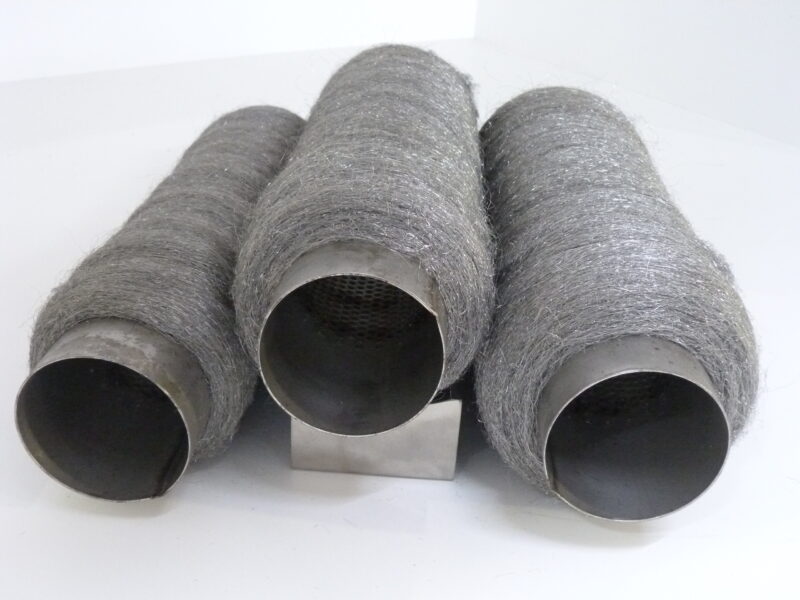
Aplikasi untuk Kemasan Knalpot Baja Tahan Karat
Peredam Knalpot Sepeda Motor
Perangkat peredam suara sepeda motor menggabungkan suhu gas buang yang tinggi dengan getaran dan ruang internal yang terbatas. Wol baja tahan karat dapat digunakan di dekat inti berlubang untuk meningkatkan daya tahan peredam, terutama pada sistem knalpot performa tinggi dan aftermarket.
Sistem Knalpot 2-Tak
Sistem knalpot dua tak dapat memaparkan material pengisi pada kondisi termal dan aliran gas yang signifikan. Wol baja tahan karat dapat dimasukkan ke dalam lapisan dalam pelindung di mana desain peredam suara membutuhkan ketahanan tambahan terhadap erosi material pengisi.
Knalpot Performa 4-Tak
Sistem knalpot empat langkah berperforma tinggi dapat beroperasi dalam kondisi beban tinggi yang berkelanjutan. Lapisan kemasan bagian dalam dari baja tahan karat yang dikombinasikan dengan serat kaca dapat memberikan pendekatan praktis untuk melindungi material akustik utama.
Knalpot ATV dan UTV
Sistem knalpot off-road mengalami getaran, guncangan, dan siklus termal terus-menerus. Wol baja tahan karat berguna di mana retensi peredam dan daya tahan mekanis sangat penting.
Sistem Knalpot Otomotif
Perangkat peredam suara otomotif dapat menggunakan wol baja tahan karat pada konstruksi tipe penyerapan tertentu, terutama di mana sistem pengemasan membutuhkan perlindungan tambahan terhadap aliran gas panas.
Peredam Suara Generator dan Industri
Perangkat peredam suara knalpot generator dan industri dapat memerlukan periode operasi yang lama dan kinerja akustik yang stabil. Pemilihan material harus didasarkan pada suhu gas spesifik, siklus kerja, dan konstruksi peredam suara.
Kapan Sebaiknya Wol Baja Tahan Karat Dikombinasikan dengan Serat Kaca?
Konstruksi komposit patut dipertimbangkan ketika sistem pembuangan membutuhkan penyerapan suara dan peningkatan ketahanan terhadap erosi gas internal.
Misalnya:
| Lapisan | Fungsi Utama |
|---|---|
| Inti berlubang | Mengontrol aliran gas buang dan memungkinkan energi akustik masuk ke area pengemasan. |
| wol baja tahan karat | Memberikan penghalang bagian dalam yang tahan lama dan membantu melindungi kemasan akustik. |
| Kemasan fiberglass | Memberikan penyerapan akustik berserat utama. |
| Cangkang luar | Berisi seluruh rakitan peredam suara. |
Ketebalan lapisan, berat material, dan kompresi yang tepat harus ditentukan dari geometri peredam suara dan kondisi pengoperasian.
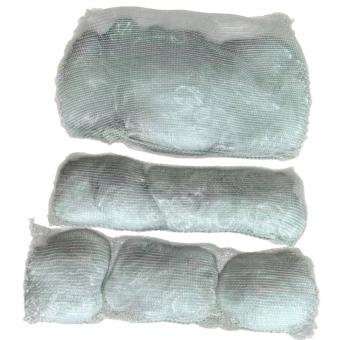
Untuk aplikasi yang membutuhkan konstruksi fiberglass tertutup, BSTFLEX juga menawarkanSarung Pelindung Knalpot Fiberglass dengan Kantong Jaring Kaca Anyaman.
Tanda-Tanda Kerusakan pada Kemasan Knalpot
Perubahan pada suara knalpot dapat mengindikasikan kerusakan atau pergeseran komponen internal.
Gejala umum meliputi:
- Suara knalpot menjadi jauh lebih keras;
- Suaranya berubah dari nada aslinya;
- Bahan pengemas terlihat di lubang pembuangan;
- Knalpot mengeluarkan bunyi berderak atau suara internal yang tidak biasa;
- Perangkat peredam suara menunjukkan bukti perpindahan panas yang berlebihan;
- Kemasan pengganti memiliki masa pakai yang jauh lebih pendek dari yang diharapkan.
Gejala-gejala ini tidak secara otomatis menunjukkan kegagalan wol baja tahan karat. Gejala tersebut dapat disebabkan oleh berat kemasan yang tidak memadai, kecepatan gas yang berlebihan, retensi yang buruk, konstruksi serat yang tidak sesuai, atau pemasangan yang salah.
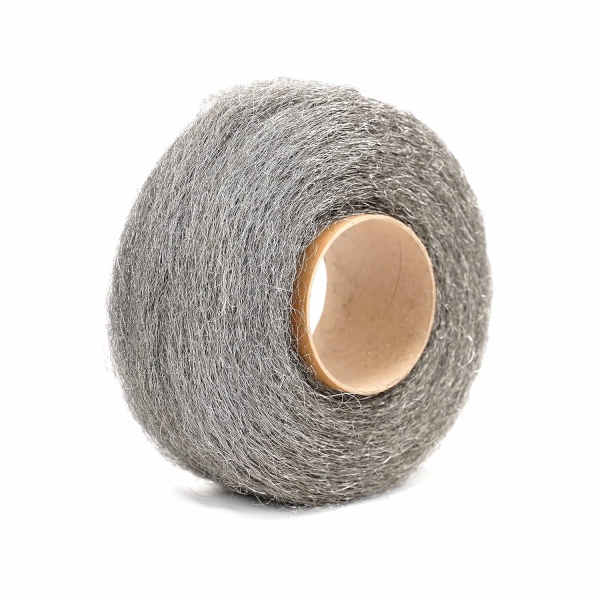
Cara Memilih Bahan Pengisi Knalpot dari Wol Baja Tahan Karat
Untuk aplikasi penggantian, konstruksi knalpot asli memberikan titik awal terbaik. Untuk pengembangan OEM, pemilihan harus didasarkan pada lingkungan pengoperasian secara keseluruhan.
- Identifikasi aplikasi pembuangan gas buang.Sebutkan aplikasi seperti sepeda motor, ATV, otomotif, generator, industri, atau aplikasi lainnya.
- Ukur inti yang berlubang.Diameter dan panjang inti menentukan geometri pengemasan yang tersedia.
- Ukur cangkang luarnya.Ruang radial antara inti dan cangkang menentukan volume pengemasan yang tersedia.
- Tentukan suhu operasi.Sertakan suhu kontinu dan suhu puncak jika tersedia.
- Evaluasi kecepatan dan getaran gas.Faktor-faktor ini memengaruhi retensi pengemasan dan erosi.
- Pilih jenis baja tahan karat.Sesuaikan paduan logam dengan lingkungan termal dan kimia yang sebenarnya.
- Jelaskan konstruksi serat.Diameter, berat, dan kepadatan serat harus ditentukan jika kinerja OEM yang berulang diperlukan.
- Pilih metode retensi.Wol lepas, bahan yang dililitkan, penahan jaring, atau konstruksi komposit mungkin sesuai tergantung pada desainnya.
Bahan Pengisi Knalpot Wol Stainless Steel Kustom dari BSTFLEX
BSTFLEX menyediakan solusi wol baja tahan karat untuk pelanggan yang membutuhkan lebih dari sekadar wol baja lepas standar. Konstruksi material dan kemasan dapat dikembangkan sesuai dengan persyaratan aplikasi, gambar, atau sampel fisik.
Kustomisasi dapat mencakup:
- baja tahan karat kelas;
- diameter serat;
- berat kemasan;
- kepadatan pengemasan;
- dimensi gulungan atau lembaran;
- bagian kemasan yang sudah dibentuk sebelumnya;
- Kombinasi wol baja tahan karat dan serat kaca;
- kemasan yang didukung jaring;
- rakitan kemasan knalpot khusus;
- Kemasan OEM;
- pasokan dalam jumlah besar;
- pengembangan berbasis sampel.
Bagi produsen yang mengembangkan peredam suara baru, memberikan diameter inti, diameter cangkang, panjang kemasan, berat target, suhu gas buang, dan perkiraan volume produksi akan membantu menetapkan spesifikasi kemasan yang lebih akurat.
Bahan Peredam Suara Wol Baja Tahan Karat untuk Produksi OEM
Produsen knalpot OEM umumnya membutuhkan karakteristik pengemasan yang konsisten, bukan sekumpulan wol baja generik.
Konsistensi produksi dapat ditingkatkan dengan mengendalikan:
- mutu material;
- dimensi serat;
- berat material per knalpot;
- dimensi kemasan jadi;
- kepadatan pengemasan;
- posisi pemasangan;
- struktur retensi;
- pengemasan dan identifikasi.
Untuk produksi dalam jumlah besar, komponen pengepak yang telah diukur atau dibentuk sebelumnya dapat mengurangi variasi antar peredam suara dan menyederhanakan perakitan.
Minta Spesifikasi Kemasan Knalpot Baja Tahan Karat
BSTFLEX bekerja sama dengan produsen knalpot, distributor, merek knalpot sepeda motor, dan pelanggan industri yang mencari material pengemas knalpot yang disesuaikan.
Untuk mengevaluasi kebutuhan bahan pengisi knalpot berbahan wol baja tahan karat, berikan informasi berikut sebanyak mungkin:
- jenis sistem pembuangan;
- diameter inti berlubang;
- diameter cangkang knalpot;
- panjang kemasan;
- berat kemasan yang dibutuhkan;
- suhu gas buang kontinu dan puncak;
- Tipe mesin 2-tak atau 4-tak;
- aplikasi bensin atau diesel;
- gambar atau contoh kemasan yang sudah ada;
- jumlah prototipe;
- perkiraan jumlah produksi.
BSTFLEX kemudian dapat mengevaluasi apakah aplikasi tersebut lebih cocok menggunakan wol baja tahan karat saja, kemasan serat kaca, atau konstruksi multi-lapisan wol baja tahan karat dan serat kaca.
Pertanyaan yang Sering Diajukan
Untuk apa wol baja tahan karat digunakan dalam knalpot?
Wol baja tahan karat dapat digunakan sebagai lapisan pengemas suhu tinggi di sekitar inti knalpot berlubang. Wol ini juga dapat melindungi fiberglass atau bahan pengemas akustik lainnya dari aliran gas buang langsung dan erosi mekanis.
Apakah wol baja tahan karat bagus untuk isian knalpot?
Ya. Wol baja tahan karat sangat berguna pada knalpot yang terpapar suhu tinggi, getaran, dan aliran gas yang agresif. Tingkat baja tahan karat dan konstruksi kemasan yang sesuai harus dipilih sesuai dengan aplikasinya.
Apakah wol baja tahan karat lebih baik daripada serat kaca untuk pengisi knalpot?
Tidak ada satu pun material yang secara universal lebih baik. Fiberglass banyak digunakan sebagai bahan peredam suara, sedangkan wol baja tahan karat menawarkan daya tahan logam yang lebih besar dan dapat memberikan perlindungan di dekat inti berlubang. Banyak desain knalpot mendapat manfaat dari kombinasi keduanya.
Apakah wol baja tahan karat dapat digunakan dengan bahan peredam suara berbahan fiberglass?
Ya. Lapisan dalam wol baja tahan karat dapat dikombinasikan dengan bahan peredam suara fiberglass untuk menciptakan konstruksi peredam knalpot berlapis.
Jenis baja tahan karat apa yang sebaiknya digunakan untuk isian knalpot?
Tingkat kualitas yang tepat bergantung pada suhu operasi, komposisi kimia gas buang, kecepatan gas, kondisi korosi, dan perkiraan masa pakai. Aplikasi OEM harus dievaluasi secara individual, bukan hanya memilih tingkat kualitas berdasarkan namanya saja.
Apakah BSTFLEX dapat menyesuaikan kemasan knalpot stainless steel?
Ya. BSTFLEX dapat mengembangkan kemasan wol baja tahan karat sesuai dengan jenis material, konstruksi serat, dimensi, berat, kepadatan, bentuk kemasan, dan persyaratan aplikasi. Gambar dan sampel fisik dapat digunakan untuk pengembangan sesuai pesanan.
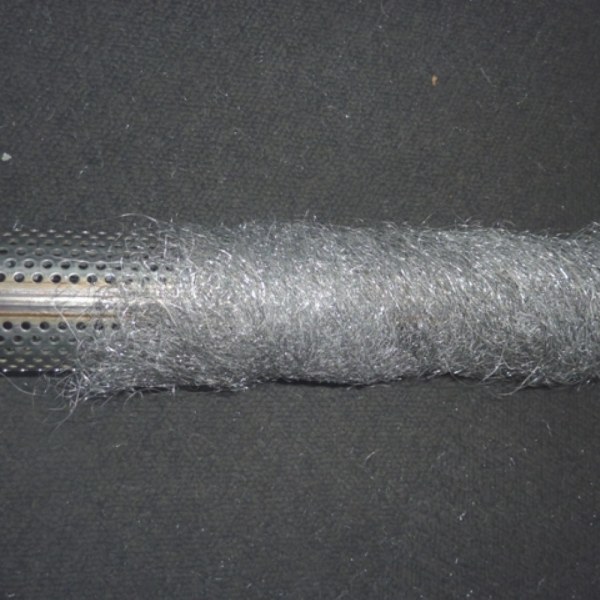
Kesimpulan
Bahan peredam suara wol baja tahan karatmerupakan solusi praktis untuk sistem pembuangan di mana kemasan konvensional memerlukan perlindungan tambahan terhadap suhu, kecepatan gas, getaran, dan erosi mekanis.
Keunggulan terbesarnya sering kali dicapai sebagai bagian dari sistem pengemasan lengkap daripada sebagai material yang terisolasi. Wol baja tahan karat dapat memberikan lapisan dalam yang tahan lama di sekitar inti berlubang, sementara serat kaca atau material akustik lainnya menangani fungsi penyerapan suara utama.
Untuk aplikasi knalpot sepeda motor, ATV, otomotif, performa tinggi, generator, dan industri, kombinasi yang tepat antara jenis baja tahan karat, konstruksi serat, kepadatan pengemasan, dan metode penahanan sangat penting untuk mencapai masa pakai yang konsisten.
Jelajahi Bahan Pengemas Knalpot BSTFLEXataulihat Kaos Kaki Pengemas Knalpot Fiberglassuntuk solusi pengemasan tertutup.