apa yang sedang Anda cari?
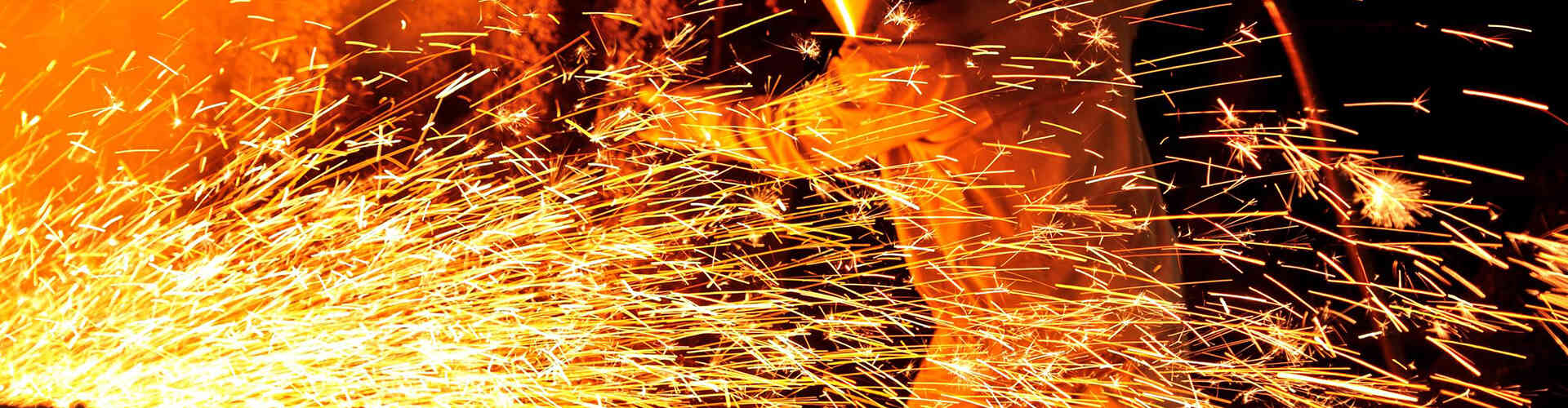
Turbocharger yang panas dan komponen yang sensitif terhadap panas bisa berada dalam jarak yang sangat dekat. Pertanyaan pembeliannya sangat mudah: apakah pemasangannya harus menggunakan selimut turbo di sekeliling rumah turbin, pelindung panas logam di antara turbo dan komponen di sekitarnya, atau kombinasi yang dirancang untuk ruang yang tersedia?
Saat membandingkan selimut turbo vs pelindung panas, mulailah dengan cakupan yang diperlukan. Selimut menambahkan isolasi di sekeliling rumah sisi panas. Pelindung kaku menciptakan penghalang berbentuk di antara sumber panas dan komponen yang dilindungi. Tidak ada yang secara otomatis menjadi pilihan yang lebih baik untuk setiap tata letak mesin.
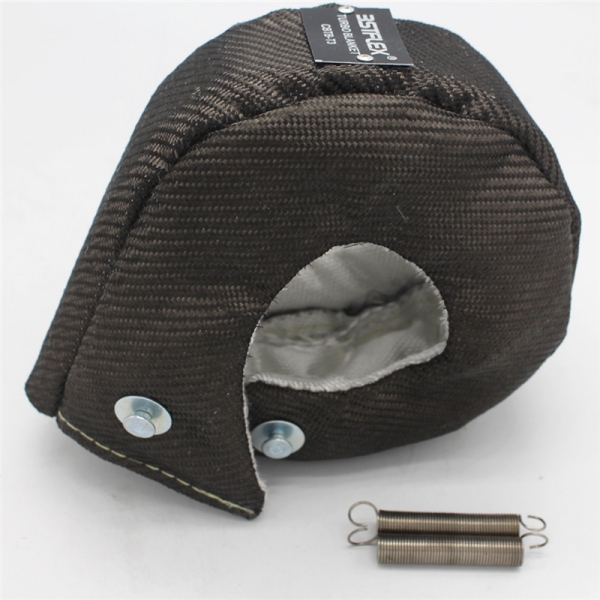
Pelindung panas turbo adalah nama produk yang luas. Beberapa pemasok menggunakannya untuk selimut isolasi fleksibel, sementara yang lain mengartikannya sebagai penutup logam yang dibentuk. Perbandingan ini menggunakan selimut turbo untuk rakitan isolasi tekstil yang pas dan pelindung panas turbo logam untuk penghalang kaku yang dipasang. Rakitan logam berisolasi dapat menggabungkan fitur dari keduanya.
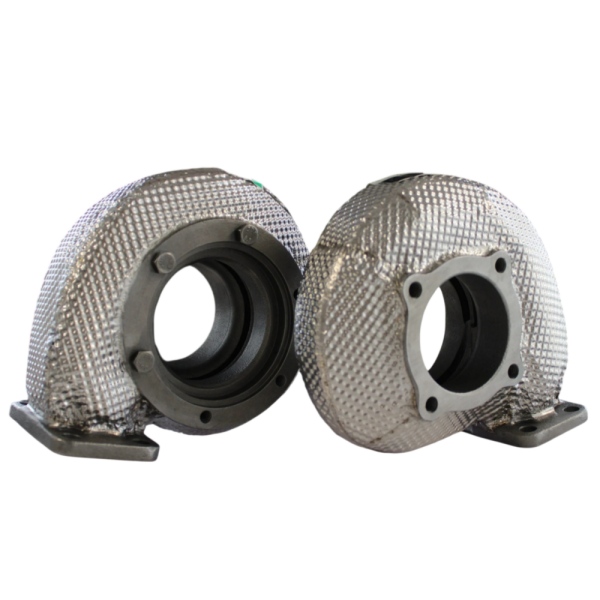
Jajaran selimut pelindung panas turbo BSTFLEX mencakup opsi fleksibel. pelindung panas turbocharger yang dicap kami adalah produk logam kaku terpisah, yang ditentukan berdasarkan geometri pemasangan dan persyaratan pemasangan.
| Poin Pemilihan | Selimut Turbo | Pelindung Panas Logam Kaku |
|---|---|---|
| Konstruksi dasar | Penutup pas yang berisi isolasi suhu tinggi, dengan kain luar, jahitan, dan pengencang. | Cangkang atau panel logam yang dibentuk, terkadang menggabungkan lapisan isolasi tambahan. |
| Pendekatan termal | Menambahkan ketahanan terhadap perpindahan panas melalui area rumah yang tertutup. | Menghentikan paparan radiasi langsung antara rakitan panas dan komponen di sekitarnya. |
| Referensi pemasangan | Kontur rumah, cakupan, bukaan, dan posisi penutup. | Profil pelindung, titik pemasangan, jarak penyangga, dan jarak bebas di sekitarnya. |
| Variabel desain penting | Bahan dan ketebalan isolasi, lapisan sisi panas, penutup luar, jahitan, dan detail tepi. | Kelas logam, kondisi permukaan, cakupan, celah udara, jalur pemasangan, dan isolasi internal apa pun. |
| Pemeriksaan pemasangan | Pergerakan wastegate, akses saluran, ketebalan yang tersedia, dan pengencangan yang aman. | Penyelarasan braket, ekspansi termal, jarak bebas getaran, dan akses ke perangkat keras di sekitarnya. |
| Perencanaan pemeliharaan | Konfirmasikan apakah konstruksi yang dipilih memungkinkan pelepasan berulang setelah siklus panas. | Rencanakan akses ke pengencang dan pemeriksaan braket, tepi, dan lubang pemasangan. |
Pertimbangkan selimut isolasi turbo jika tujuannya adalah untuk mengisolasi sebagian besar rumah turbin yang terbuka. Pola yang pas dapat memberikan cakupan di sekeliling bodi sisi panas yang melengkung sambil menyisakan bukaan yang direncanakan untuk sambungan dan perangkat keras yang bergerak.
Selimut masih membutuhkan ruang untuk ketebalan isolasi dan penutupnya. Penutup kebesaran yang menumpuk di sekeliling aktuator bukanlah pengganti pola yang sesuai. Identifikasi komponen yang memerlukan perlindungan, lalu periksa apakah cakupan yang diusulkan mengatasi paparannya.
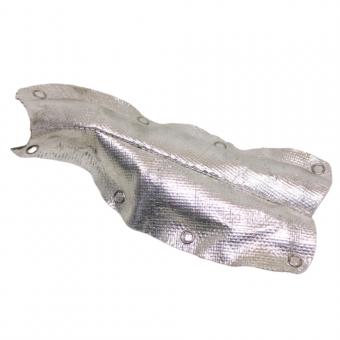
Pertimbangkan pelindung panas turbocharger logam jika persyaratan utamanya adalah penghalang berbentuk di antara turbo dan komponen atau kelompok komponen tertentu. Desainnya dapat melampaui bodi turbin untuk mengatasi area paparan yang sebenarnya.
Pelindung bukan sekadar lembaran logam yang ditempatkan sedekat mungkin dengan turbo. Efektivitasnya bergantung pada cakupan, pemisahan, dan geometri pemasangan. Panas juga dapat merambat melalui sambungannya, dan pelindung itu sendiri bisa menjadi panas. Tentukan lokasi pemasangan dan jarak bebas daripada menyerahkannya kepada pemasang.
Untuk rakitan yang memerlukan pemeriksaan rutin, jelaskan operasi servis sebelum memilih perlindungan. Pengencang mana yang harus tetap dapat dijangkau? Apakah sensor perlu dilepas tanpa mengganggu isolasi? Bisakah pelindung dilepas tanpa memutuskan saluran?
Pertanyaan-pertanyaan ini mungkin lebih mendukung pengaturan logam yang dapat dilepas atau selimut yang dirancang dan divalidasi khusus untuk penanganan berulang. Hal ini tidak menetapkan bahwa setiap pelindung logam mudah diservis atau bahwa setiap selimut kain dapat digunakan kembali.
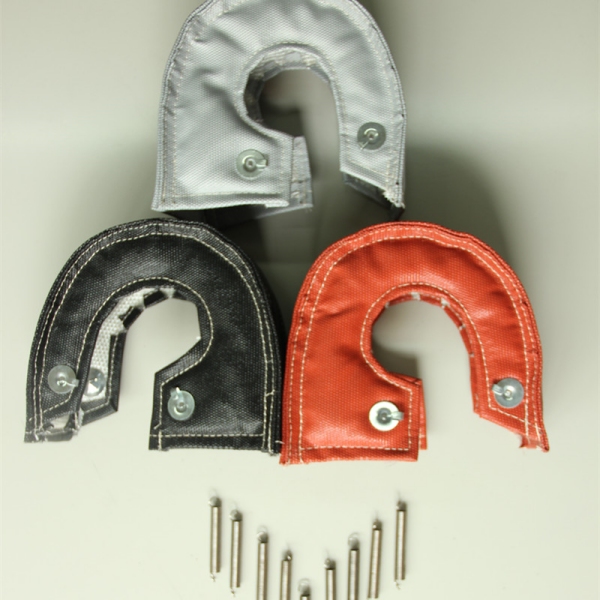
Beberapa desain khusus aplikasi dapat mengakomodasi keduanya, tetapi kombinasi tersebut harus diperiksa, bukan diasumsikan. Menambahkan blanket mengubah ruang yang ditempati di sekitar rumah turbo. Mempertahankan pelindung logam di atasnya dapat memengaruhi jarak bebas, akses, dan jalur aliran udara yang diinginkan.
Mintalah pemasok untuk mengidentifikasi apakah blanket yang diusulkan mempertahankan, menggantikan, atau bekerja di bawah pelindung asli. Jaga agar celah dan titik akses yang diperlukan tetap terbuka. Jangan menekan isolasi atau membengkokkan braket pemasangan hanya agar kombinasi yang belum terkonfirmasi dapat terpasang.
Persetujuan pemasangan harus mencakup pergerakan aktuator, sambungan oli dan pendingin, kabel di sekitarnya, dan persyaratan produsen mesin. Uji coba pemasangan dalam kondisi dingin memeriksa geometri; hal ini tidak menetapkan kinerja termal di bawah beban. Lapisan tambahan juga tidak menghasilkan persentase pengurangan panas tambahan yang dapat diprediksi.
Nama bahan luar berguna untuk mengidentifikasi rangkaian blanket, tetapi tidak menentukan rakitan termal secara lengkap. Dalam rangkaian titanium turbo blanket BSTFLEX, bagian luarnya adalah kain serat basal/lava, bukan cangkang titanium logam. carbon turbo blanket menyediakan bagian luar kain yang berbeda; tampilan hitam saja tidak mengidentifikasi isolasi atau kemampuan suhunya.
Pilihan lain termasuk aluminized fabric turbo blanket dan turbo blanket dengan bagian luar kain berlapis silikon. Tentukan persyaratan lapisan, paket isolasi, dan penutup luar secara bersamaan. Batas lapisan, batas paparan kain, dan peringkat blanket lengkap tidak dapat dipertukarkan.
BSTFLEX juga dapat menambahkan foil logam timbul ke blanket khusus. Tingkat logam, ketebalan, cakupan, dan posisi lapisan disepakati untuk proyek tersebut. Lapisan opsional ini terpisah dari bagian luar kain aluminisasi, dan keberadaannya tidak mengubah blanket tekstil menjadi pelindung panas logam kaku yang dicap.
Permukaan blanket yang terlihat lebih dingin bukanlah hasil yang sama dengan konektor kabel, intercooler, atau panel di sebelahnya yang lebih dingin. Sebelum pengujian, pilih lokasi pengukuran suhu dan tentukan kondisi pengoperasian yang penting bagi aplikasi tersebut.
Bandingkan konfigurasi pada beban mesin, kondisi lingkungan, dan durasi pengujian yang sama. Catat kondisi aliran udara, dan sertakan periode setelah pemadaman jika relevan dengan siklus kerja peralatan. Ukur komponen yang dilindungi serta pemasangan di sekitarnya, alih-alih hanya mengandalkan satu pembacaan permukaan dari pelindung.
Berhati-hatilah dengan gambar inframerah dari bahan yang berbeda. Permukaan logam dan tekstil yang mengilap dapat memiliki emisivitas yang berbeda dan memantulkan jumlah radiasi inframerah yang berbeda. Suhu semu tidak boleh dibandingkan tanpa memperhitungkan perbedaan tersebut. Gunakan metode pengukuran yang sesuai dan prosedur yang terdokumentasi.
Permintaan seperti menjaga konektor tertentu di bawah batas suhu yang disetujui dalam siklus pengoperasian yang ditentukan lebih berguna daripada klaim yang tidak didukung mengenai pengurangan suhu ruang mesin yang tetap. Tidak ada nama produk yang menjamin peningkatan tenaga kuda atau peningkatan waktu spool.
Tidak. Blanket adalah kandidat untuk isolasi rumah turbo yang pas; pelindung logam adalah kandidat untuk penghalang yang ditentukan dengan pemasangan dan jarak bebas yang direkayasa. Cakupan, konstruksi isolasi, komponen di sekitarnya, dan hasil termal yang diperlukan menentukan pengaturan mana yang layak diuji.
Tidak. Berikan nomor komponen turbocharger, dimensi rumah, dan foto pemasangan. Pola blanket dan pemasangan pelindung kaku memerlukan pemeriksaan kecocokan yang berbeda. Informasi ukuran dan kecocokan turbo blanket kami menyediakan titik awal untuk pilihan fleksibel.
Hanya jika konstruksi dan kondisinya memungkinkan penggunaan tersebut. Beberapa rakitan isolasi menjadi kurang fleksibel setelah siklus panas. Tentukan frekuensi pelepasan yang diantisipasi sebelum memesan, dan ikuti petunjuk inspeksi dan penggantian dari pemasok alih-alih memperlakukan kemampuan untuk dilepas sebagai fitur universal.
Tidak. Pasang dan periksa hanya saat rakitan sudah dingin. Periksa kebocoran, isolasi yang rusak, pengencang yang longgar, gesekan, dan pergerakan yang terbatas. Perbaiki kebocoran cairan sebelum memasang blanket; kontaminasi oli atau bahan bakar dapat menimbulkan bahaya kebakaran. Perlindungan termal tidak menggantikan persyaratan pelumasan, pendinginan, atau perawatan dari produsen turbocharger.
Untuk proyek OEM, purnajual, atau mesin industri, kirimkan identifikasi turbocharger dan gambar atau foto area yang dipasang. Tandai komponen yang dilindungi, ruang yang tersedia, lokasi pemasangan, dan persyaratan akses servis. Tambahkan siklus pengoperasian, suhu yang diketahui, target penerimaan, dan jumlah pesanan.
Untuk penawaran blanket, sertakan kain luar yang disukai dan persyaratan isolasi atau foil logam timbul. Untuk pelindung kaku, sertakan pengaturan pemasangan yang diusulkan dan batas cakupan. Jika keduanya sedang dievaluasi, gunakan kondisi penerimaan termal yang sama agar perbandingan tetap bermakna.
Tinjau manufaktur turbo blanket kustom dan OEM BSTFLEX untuk proyek blanket berbasis gambar, atau kirim detail pemasangan turbo Anda untuk mendapatkan penawaran. Tujuannya adalah perlindungan yang sesuai dengan rakitan dan memenuhi persyaratan yang ditentukan, bukan sekadar produk dengan angka suhu tertinggi yang diiklankan.

No.10, Chuangxin North Road, Nanshan Park, Ningguo Economic and Technological Development Zone, Ningguo City, Anhui Province, China
telp/Whatsapp : 0086-15856303740
surel : sales@bstbraidedsleeve.com
Skype : vanesa-cheng