apa yang sedang Anda cari?
Material pelindung panas adalah material perlindungan termal rekayasa yang dirancang untuk mengurangi perpindahan panas, mengendalikan panas radiasi, dan melindungi komponen otomotif yang sensitif dari suhu ekstrem. Pada kendaraan modern, material pelindung panas banyak digunakan di sekitar manifold knalpot, turbocharger, konverter katalitik, knalpot peredam, kompartemen mesin, dan sistem pemasukan udara, tempat suhu tinggi dapat memengaruhi kinerja, keandalan, dan keselamatan.
Seiring mesin otomotif menjadi semakin bertenaga dan ringkas, manajemen termal menjadi semakin penting. Material pelindung panas suhu tinggi membantu mencegah paparan panas berlebih dengan memantulkan energi radiasi dan menciptakan penghalang pelindung antara sumber panas dan komponen di sekitarnya.
BSTFLEX memproduksi material pelindung panas otomotif termasuk material pelindung panas baja tahan karat, material pelindung panas aluminium dan material pelindung panas Inconel 625 untuk aplikasi otomotif OEM, olahraga balap, sistem knalpot, dan perlindungan termal industri.
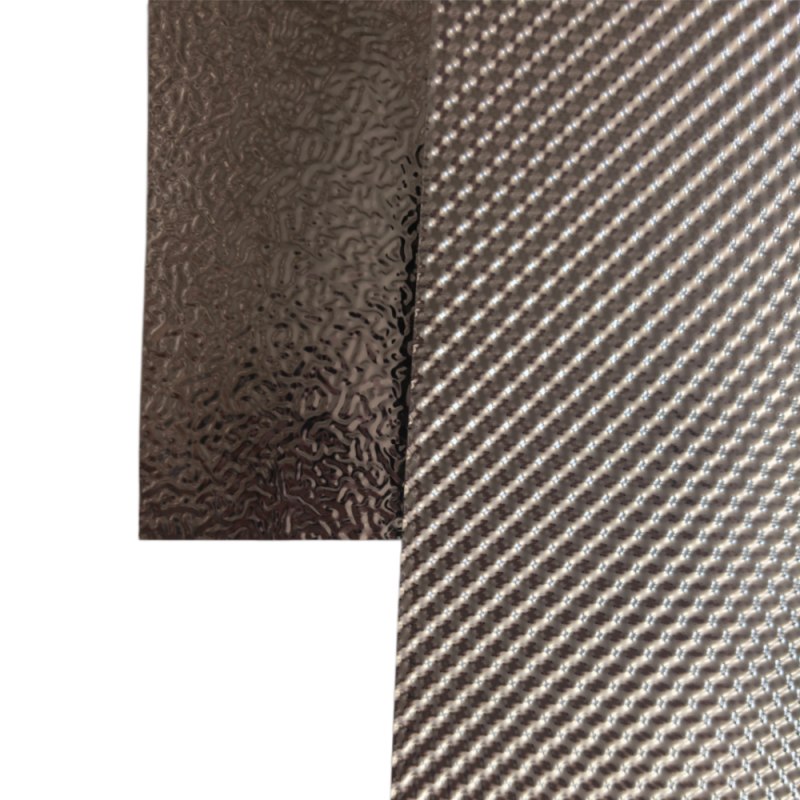
Material pelindung panas adalah material yang dirancang khusus untuk melindungi komponen dari lingkungan bersuhu tinggi dengan mengurangi radiasi panas, konduksi panas, dan paparan termal. Berbeda dengan material isolasi tradisional yang terutama menghambat perpindahan panas, banyak material pelindung panas logam bekerja dengan memantulkan panas radiasi menjauh dari area yang dilindungi.
Pelindung panas otomotif biasanya dibuat dari logam ringan karena memerlukan ketahanan suhu yang sangat baik, ketahanan korosi, kekuatan mekanis, dan masa pakai yang panjang. Material umum meliputi aluminium, baja tahan karat, dan paduan berbasis nikel seperti Inconel.
Pemilihan material pelindung panas bergantung pada suhu pengoperasian, lokasi pemasangan, ruang yang tersedia, persyaratan berat, dan kondisi lingkungan.
Sistem knalpot otomotif menghasilkan suhu yang sangat tinggi selama pengoperasian. Manifold knalpot, turbocharger, dan konverter katalitik dapat memindahkan panas yang signifikan ke area sekitar, sehingga menimbulkan risiko bagi rangkaian kabel, sistem bahan bakar, komponen plastik, dan bagian ruang mesin.
Material pelindung panas yang dirancang dengan tepat memberikan perlindungan melalui beberapa fungsi:
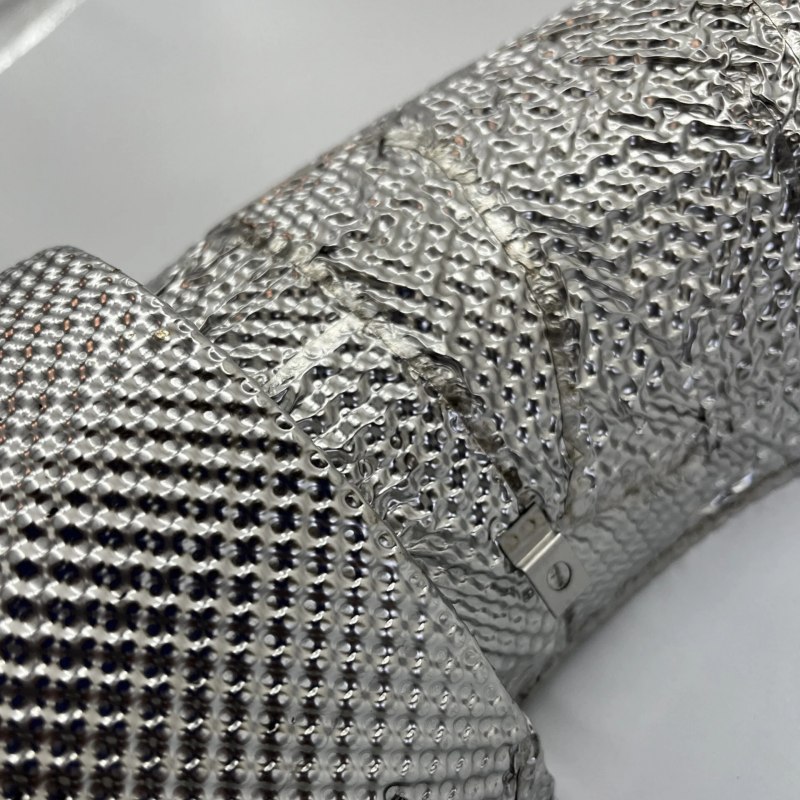
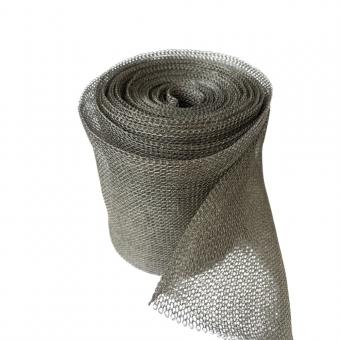
Material pelindung panas baja tahan karat adalah salah satu solusi yang paling banyak digunakan untuk perlindungan knalpot otomotif karena daya tahan, ketahanan korosi, dan kinerja suhu tingginya yang sangat baik.
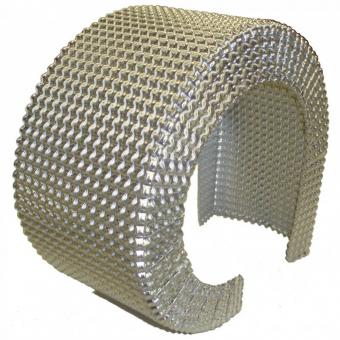
Lembaran penghalang termal baja tahan karat bertekstur memberikan peningkatan kekuatan struktural sambil mempertahankan karakteristik ringan. Lembaran ini umum digunakan untuk manifold knalpot, konverter katalitik, peredam knalpot, dan perlindungan kompartemen mesin.
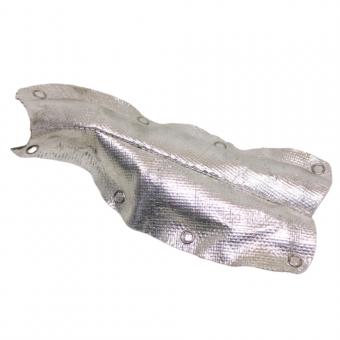
Material pelindung panas aluminium lebih disukai ketika diperlukan perlindungan termal ringan. Aluminium menawarkan kemampuan pemantulan panas yang sangat baik dengan berat lebih rendah dibandingkan baja tahan karat.
Material ini umum diterapkan pada pelindung panas otomotif, sistem perlindungan pemasukan udara, penghalang termal bagian bawah bodi, dan area yang memerlukan pengurangan berat.
Material pelindung panas Inconel 625 dirancang untuk lingkungan bersuhu ekstrem ketika logam standar mungkin tidak memberikan kinerja yang memadai.
Karena ketahanan oksidasi, ketahanan korosi, dan kekuatan suhu tinggi yang sangat baik, material pelindung panas Inconel umum dipilih untuk perlindungan turbocharger, sistem knalpot balap, aplikasi ruang angkasa, dan kendaraan berperforma tinggi.
| Material | Keunggulan Utama | Aplikasi Umum |
|---|---|---|
| Material Pelindung Panas Aluminium | Ringan, refleksi panas yang sangat baik, hemat biaya | Ruang mesin, sistem pemasukan udara, penghalang termal otomotif |
| Material Pelindung Panas Baja Tahan Karat | Kekuatan tinggi, tahan korosi, masa pakai panjang | Pelindung manifold knalpot, konverter katalitik, dan peredam suara |
| Material Pelindung Panas Inconel 625 | Ketahanan suhu ekstrem, daya tahan unggul | Turbocharger, knalpot balap, aplikasi suhu tinggi |
Material pelindung panas logam banyak digunakan dalam sistem knalpot karena menggabungkan kinerja termal dengan daya tahan mekanis. Dibandingkan dengan produk insulasi fleksibel, pelindung panas logam berembos menyediakan penghalang pelindung yang kaku yang mampu menahan getaran, aliran udara, dan paparan panas jangka panjang.
Bagi produsen otomotif dan pemasok sistem knalpot, memilih material pelindung panas knalpot yang tepat membantu meningkatkan perlindungan komponen, mengurangi tekanan termal, dan mempertahankan kinerja kendaraan yang konsisten.
Memilih material pelindung panas yang tepat memerlukan evaluasi kebutuhan suhu, lingkungan pemasangan, batas berat, dan masa pakai yang diharapkan.
Material pelindung panas aluminium cocok untuk aplikasi ringan, material pelindung panas baja tahan karat menyediakan solusi seimbang untuk sebagian besar sistem knalpot otomotif, sementara material pelindung panas Inconel 625 direkomendasikan untuk lingkungan dengan suhu ekstrem.
BSTFLEX menyediakan solusi material pelindung panas yang disesuaikan termasuk pemilihan material, pola embos, kustomisasi ketebalan, dan pengembangan OEM sesuai kebutuhan pelanggan.
BSTFLEX adalah produsen profesional material pelindung panas otomotif, yang memasok solusi penghalang termal baja tahan karat, aluminium, dan Inconel untuk pelanggan OEM global, produsen knalpot, dan perusahaan kendaraan performa.
Hubungi tim teknik kami untuk rekomendasi material, desain khusus, dan dukungan penawaran harga untuk proyek perlindungan panas Anda.
Material pelindung panas otomotif terbaik bergantung pada aplikasinya. Aluminium sering dipilih untuk perlindungan ringan, baja tahan karat banyak digunakan untuk sistem knalpot, dan Inconel 625 cocok untuk lingkungan bersuhu ekstrem.
Pelindung panas knalpot umumnya menggunakan aluminium, baja tahan karat, dan material paduan nikel karena memberikan refleksi panas yang sangat baik, ketahanan korosi, dan daya tahan.
Ya. BSTFLEX menyediakan material pelindung panas khusus dengan berbagai ketebalan, pola embos, dimensi, dan persyaratan pembentukan untuk aplikasi OEM.
Material pelindung panas berembos adalah lembaran penghalang termal logam dengan pola permukaan yang dibentuk untuk meningkatkan kekakuan, mengurangi getaran, dan mempertahankan konstruksi ringan.

No.10, Chuangxin North Road, Nanshan Park, Ningguo Economic and Technological Development Zone, Ningguo City, Anhui Province, China
telp/Whatsapp : 0086-15856303740
surel : sales@bstbraidedsleeve.com
Skype : vanesa-cheng