apa yang sedang Anda cari?
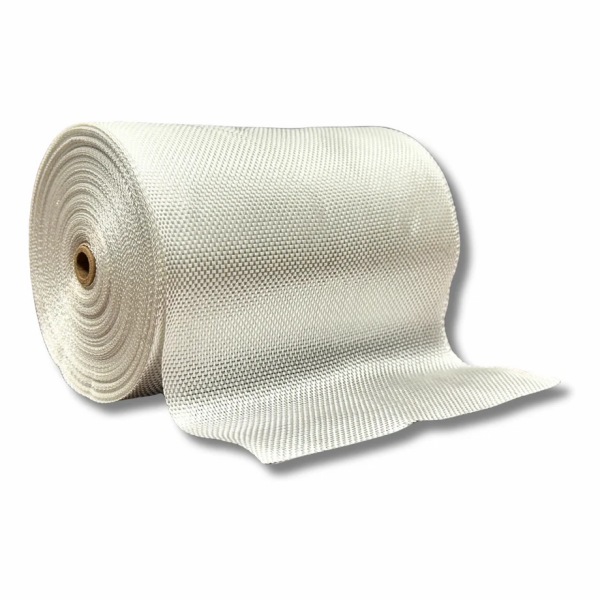
Pembungkus knalpot silika dirancang untuk sistem knalpot yang beroperasi di luar rentang suhu praktis dari banyak pembungkus fiberglass dan basal konvensional.
Produk ini umumnya digunakan di sekitar manifold turbo, header, downpipe, knalpot balap berdaya tinggi, sistem pasca-perawatan diesel, dan saluran knalpot industri di mana paparan panas yang berkelanjutan menjadi tantangan desain utama.
BSTFLEX memproduksi Pembungkus Panas Knalpot Header Inferno Suhu Tinggidari benang filamen silika amorf bertekstur untuk lingkungan termal yang berat.
Bagi pembeli, pertanyaan kuncinya bukan sekadar apakah pembungkus knalpot diberi label “suhu tinggi”. Komposisi serat yang sebenarnya, suhu layanan berkelanjutan, kemampuan puncak jangka pendek, lebar, ketebalan, dan lingkungan pemasangan harus dipertimbangkan semuanya.
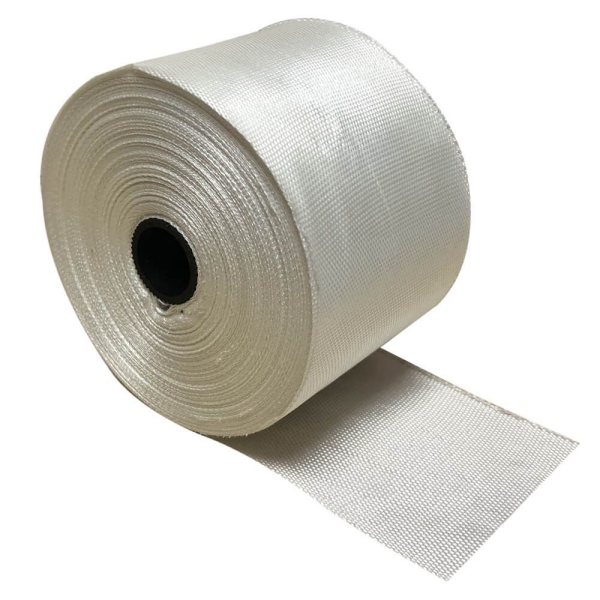
Pembungkus knalpot silika adalah pita isolasi suhu tinggi tenunan yang diproduksi dari serat kaya silika.
Dibandingkan dengan fiberglass E-glass standar, serat silika tinggi mengandung proporsi silika yang jauh lebih tinggi dan ditujukan untuk paparan termal yang lebih berat.
Material ini ditenun menjadi pita fleksibel sehingga dapat diaplikasikan langsung di sekitar:
header knalpot;
manifold;
downpipe;
pipa turbo;
sistem knalpot diesel;
pipa knalpot industri.
Istilah pencarian umum untuk produk ini meliputi:
pembungkus knalpot silika;
pembungkus panas knalpot silika;
pembungkus header silika;
pembungkus knalpot silika tinggi;
pembungkus knalpot suhu tinggi;
pembungkus pipa knalpot silika;
pembungkus knalpot 2000F.
Tujuannya adalah penahanan termal: mengurangi perpindahan panas dari permukaan knalpot ke peralatan, kabel, selang, struktur bodi, atau area operator di sekitarnya.
Silika menjadi relevan ketika suhu adalah faktor pemilihan yang dominan.
Fiberglass konvensional tetap cocok untuk banyak sistem knalpot umum, sementara pembungkus gaya basal atau titanium sering dipilih untuk aplikasi performa.
Silika berada di atas material-material ini ketika sistem beroperasi di bawah kondisi termal yang lebih berat.
Alasan umum untuk memilih silika meliputi:
suhu knalpot tinggi yang berkelanjutan;
siklus panas ekstrem yang berulang;
mesin turbocharged atau induksi paksa;
mesin balap berdaya tinggi;
peristiwa regenerasi diesel;
pemasangan ringkas dengan komponen sensitif di dekatnya;
peralatan tugas berat yang beroperasi dalam waktu lama di bawah beban.
Produk pembungkus silika kompetitif saat ini umumnya diposisikan pada suhu layanan berkelanjutan sekitar 2000°F, dengan beberapa produk mencantumkan batas intermiten yang lebih tinggi. Heatshield Products, misalnya, menetapkan 2000°F berkelanjutan dan 3000°F intermiten untuk Inferno Wrap silikanya, sementara Thermo-Tec mencantumkan batas penggunaan 2000°F untuk pembungkus berbasis silikanya.
Nilai-nilai tersebut adalah spesifikasi kompetitor, bukan batas serat silika universal.
Selalu gunakan data teknis aktual untuk produk BSTFLEX yang dipilih saat menentukan aplikasi.
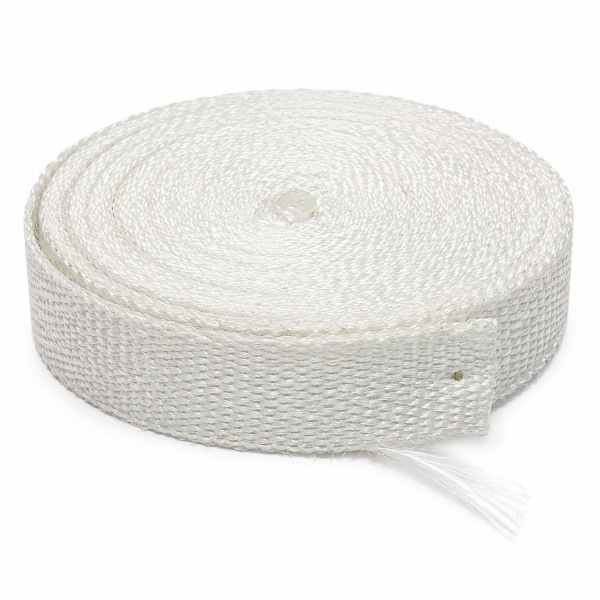
Pembungkus fiberglass dan silika melayani kelas suhu yang berbeda.
| Faktor | Pembungkus Knalpot Fiberglass | Pembungkus Knalpot Silika |
|---|---|---|
| Serat dasar | Serat kaca | Serat silika tinggi / silika amorf |
| Penggunaan umum | Isolasi knalpot umum | Knalpot suhu ekstrem |
| Biaya relatif | Lebih rendah | Lebih tinggi |
| Kemampuan suhu | Sedang hingga tinggi | Sangat tinggi |
| Aplikasi umum | Header, pipa, sepeda motor | Manifold turbo, downpipe, balap, diesel |
| Pendorong pemilihan | Biaya dan kontrol panas umum | Margin suhu |
Fiberglass harus tetap menjadi pilihan utama jika kemampuan suhunya memadai.
Silika harus dipilih jika:
fiberglass tidak memberikan margin termal yang cukup;
komponen knalpot mengalami panas ekstrem yang berkelanjutan;
sistem mencakup komponen turbo atau pasca-perawatan;
pengoperasian industri atau diesel berdurasi panjang meningkatkan beban termal.
Untuk sistem suhu yang lebih rendah, lihat Pembungkus Knalpot Fiberglass untuk Header dan Pipa Knalpot.
Pembungkus basal banyak dijual sebagai pembungkus knalpot titanium.
Ini memberikan daya tahan termal yang baik dan umum digunakan pada:
header performa;
sepeda motor;
downpipe turbo;
sistem knalpot balap.
Silika adalah langkah material berikutnya ketika suhu menjadi lebih ekstrem.
Logika pemilihan yang disederhanakan adalah:
Fiberglass
untuk kontrol termal knalpot secara umum.
Gaya titanium
untuk performa lebih tinggi dan siklus termal berulang.
Silika
untuk sistem suhu ekstrem di mana margin termal tambahan diperlukan.
Hierarki ini membantu mencegah spesifikasi berlebih.
Tidak semua kendaraan membutuhkan pembungkus silika, dan menggunakan material yang paling tahan suhu tidak secara otomatis menjadi solusi yang paling ekonomis.
Manifold turbo adalah salah satu aplikasi terkuat untuk pembungkus knalpot silika.
Manifold terletak tepat di hulu turbin dan dapat mengalami beban termal yang parah.
Panas radiasi yang tinggi dapat memengaruhi komponen di dekatnya:
kabel;
selang;
saluran rem;
sensor;
komponen intake;
struktur bodi.
Pembungkus yang fleksibel pembungkus manifold silika dapat mengurangi perpindahan panas dari permukaan manifold tubular sambil mengikuti lekukan dan kolektor.
Heatshield Products saat ini memposisikan Inferno Wrap silika mereka secara khusus untuk manifold turbo dan aplikasi induksi paksa.
Namun, untuk manifold cor yang kompleks, selimut isolasi berbentuk terkadang dapat memberikan kecocokan yang lebih baik daripada pembungkus spiral.
Downpipe turbo beroperasi tepat setelah turbin dan dapat tetap sangat panas.
Komponen ini juga sering diarahkan dekat dengan:
panel firewall;
terowongan transmisi;
kabel;
komponen rem;
sistem intake.
Hal ini menjadikan pembungkus pipa knalpot silika pilihan yang berguna ketika basal atau fiberglass tidak memberikan margin suhu yang cukup.
Untuk downpipe, pemilihan lebar harus mempertimbangkan:
diameter pipa;
radius tekukan;
ruang kerja yang tersedia;
total panjang pipa.
Pembungkus berukuran 2 inci sering kali efisien untuk pipa pembuangan yang lebih besar, sementara pembungkus yang lebih sempit mungkin lebih mudah digunakan di sekitar tikungan yang sempit.
Filter partikulat diesel dapat menghasilkan suhu yang sangat tinggi, terutama selama regenerasi.
Manajemen termal di sekitar:
rumah DPF;
pipa penghubung;
saluran keluar turbo;
bagian knalpot hilir
karena itu bisa menjadi sangat penting.
Heatshield Products saat ini memasarkan pembungkus silika tugas beratnya secara khusus untuk sistem DPF Tier 4 dan aplikasi knalpot diesel.
Namun, sebelum menerapkan pembungkus langsung ke komponen pasca-perawatan apa pun, persyaratan produsen sistem knalpot harus diperiksa.
Beberapa komponen mungkin memerlukan:
celah udara;
selimut yang dapat dilepas;
penutup isolasi berbentuk;
suhu permukaan tertentu.
Jangan berasumsi bahwa setiap rumah DPF harus dibungkus spiral.
Peralatan diesel Tier 4 menciptakan kombinasi yang menuntut dari:
suhu knalpot yang tinggi;
siklus operasi yang panjang;
peristiwa regenerasi;
getaran;
debu;
paparan air;
kompartemen peralatan yang terbatas.
Peralatan umum meliputi:
mesin konstruksi;
mesin pertanian;
generator;
kendaraan off-road;
truk berat;
peralatan pertambangan.
Untuk aplikasi ini, pembungkus silika dapat dipilih jika material konvensional tidak memberikan daya tahan termal yang memadai.
Sistem silika tugas berat saat ini dipasarkan secara khusus untuk knalpot Tier 4, manifold turbo, dan pipa pembuangan.
Kompartemen mesin kapal dapat menggabungkan suhu knalpot yang tinggi dengan ventilasi yang terbatas dan jarak bebas yang sempit.
Pembungkus knalpot silika dapat digunakan di sekitar:
pipa knalpot mesin;
pipa turbo;
saluran pembuangan generator;
manifold kapal.
Dalam aplikasi kelautan, kinerja termal hanyalah salah satu pertimbangan.
Pembeli juga harus mengevaluasi:
paparan kelembapan;
atmosfer garam;
kontaminasi minyak;
getaran;
kemudahan inspeksi;
akses pemeliharaan.
Heatshield Products saat ini memposisikan pembungkus silika tugas beratnya untuk lingkungan laut dan lepas pantai serta layanan diesel industri.
Generator dan mesin industri dapat beroperasi terus-menerus untuk jangka waktu yang lama.
Hal ini membuat suhu layanan berkelanjutan lebih penting daripada sekadar suhu puncak durasi pendek.
Pembungkus silika dapat digunakan di sekitar:
pipa pembuangan generator;
pembuangan mesin industri;
saluran pembuangan peralatan proses;
saluran suhu tinggi;
pipa yang berdekatan dengan turbin.
Untuk diameter pipa yang lebih besar, pembeli harus membandingkan:
pembungkus spiral sempit;
pelapis yang lebih lebar;
selimut yang dapat dilepas;
sistem isolasi berlapis.
Metode pemasangan tercepat tidak selalu merupakan solusi pemeliharaan terbaik.
Perbedaan ini sangat penting.
Suhu berkelanjutan mengacu pada suhu yang dimaksudkan untuk ditoleransi oleh suatu material selama operasi berkelanjutan.
Suhu terputus-putus mengacu pada paparan durasi pendek.
Pembungkus yang diiklankan dengan angka suhu terputus-putus yang sangat tinggi tidak boleh secara otomatis dianggap cocok untuk operasi berkelanjutan pada suhu yang sama.
Saat meninjau spesifikasi, tanyakan:
Berapa suhu layanan berkelanjutannya?
Berapa suhu puncaknya?
Berapa lama suhu puncak dapat dipertahankan?
Apakah peringkat tersebut untuk kontak langsung atau paparan radiasi?
Apakah lapisan tersebut memiliki batas suhu yang lebih rendah daripada seratnya?
Spesifikasi produk BSTFLEX harus digunakan sebagai referensi akhir untuk pemilihan desain yang sebenarnya.
Kata kunci pembungkus knalpot 2000F penting secara komersial, tetapi juga bisa menyesatkan jika peringkatnya tidak ditentukan.
Dua produk mungkin sama-sama mengklaim 2000°F namun merujuk pada kondisi yang berbeda:
satu mungkin berarti kontak langsung terus-menerus;
yang lain mungkin berarti paparan intermiten;
yang lain mungkin hanya merujuk pada seratnya;
yang lain mungkin merujuk pada panas radiasi.
Sebelum menentukan pembungkus knalpot 2000°F, konfirmasikan:
komposisi serat;
peringkat terus-menerus;
peringkat intermiten;
ketebalan;
tenunan;
pelapis apa pun;
metode pemasangan.
BSTFLEX menawarkan pembungkus silika suhu tinggi untuk aplikasi di mana desain benar-benar memerlukan kelas suhu ini.
Serat silika secara alami berwarna terang.
Beberapa pembungkus suhu tinggi juga ditawarkan dalam warna hitam untuk aplikasi di mana tampilan visual penting.
Lapisan akhir hitam mungkin melibatkan:
pelapisan;
pigmentasi;
perawatan permukaan.
Lapisan akhir tidak boleh secara otomatis dianggap memiliki kemampuan suhu yang sama dengan serat silika di bawahnya.
Saat menentukan pembungkus knalpot silika hitam, verifikasi keduanya:
kemampuan suhu serat;
kemampuan suhu pelapis atau lapisan akhir.
Heatshield Products saat ini menawarkan Inferno Wrap putih dan Stealth Inferno Wrap hitam dalam rangkaian silikanya, yang menunjukkan bahwa produk silika suhu tinggi berwarna hitam memiliki permintaan pasar yang mapan.
Pembungkus knalpot silika umumnya diproduksi dalam beberapa lebar.
Berguna untuk:
tabung header berdiameter kecil;
tikungan sempit;
geometri manifold yang kompleks.
Berguna untuk:
pipa bawah (downpipe);
header yang lebih besar;
pipa knalpot lurus;
aplikasi otomotif dan diesel secara umum.
Berguna untuk:
pipa industri yang lebih besar;
bagian lurus yang panjang;
peralatan tugas berat.
Pesaing pembungkus silika saat ini umumnya menawarkan format 1, 2, dan 4 inci.
BSTFLEX juga dapat mendukung kebutuhan lebar khusus untuk proyek OEM.
Panjang gulungan yang umum di pasaran meliputi:
15 kaki;
25 kaki;
50 kaki;
100 kaki.
Kebutuhan material sebenarnya bergantung pada:
diameter luar (OD) pipa;
panjang pipa;
lebar pembungkus;
tumpang tindih (overlap);
jumlah tekukan.
Untuk estimasi jumlah, gunakan panduan BSTFLEX:
Untuk produksi berulang, panjang gulungan khusus dapat mengurangi limbah dibandingkan dengan format gulungan ritel tetap.
Pembungkus knalpot silika dipasang dalam spiral yang tumpang tindih dengan cara yang hampir sama seperti pembungkus knalpot tekstil lainnya.
Pertimbangan utama meliputi:
tumpang tindih yang konsisten;
tegangan yang memadai;
titik awal dan akhir yang aman;
penghindaran permukaan pipa yang rusak;
jarak bebas di sekitar sensor dan komponen yang bergerak.
Pengikat baja tahan karat atau klem logam biasanya digunakan untuk mengamankan pembungkus.
Jangan gunakan isolasi di atas:
pipa retak;
las bocor;
korosi parah;
sambungan fleksibel rusak.
Masalah struktural harus diperbaiki terlebih dahulu.
Sambungan fleksibel dirancang untuk bergerak.
Pembungkusan spiral langsung dapat mengganggu pergerakan atau menyebabkan keausan yang dipercepat.
Jika perlindungan panas diperlukan di sekitar bagian fleksibel, pertimbangkan:
sistem selongsong eksternal;
jaket isolasi yang dapat dilepas;
pelindung panas logam;
isolasi fleksibel yang dirancang khusus.
Solusi termal harus menjaga fungsi mekanis sambungan fleksibel.
Silica wrap paling cocok untuk:
komponen berbentuk tabung;
header;
downpipe;
pipa knalpot yang lebih kecil.
Selimut knalpot yang dapat dilepas mungkin lebih baik untuk:
manifold besar;
rumah turbo;
pipa berdiameter besar;
komponen yang dapat diservis;
bentuk tidak beraturan.
Metode perlindungan termal yang tepat bergantung pada suhu dan geometri.
Silika adalah material suhu tinggi premium.
Ini tidak secara otomatis menjadi pilihan terbaik untuk setiap knalpot.
Fiberglass mungkin lebih ekonomis jika:
suhu sedang;
aplikasinya adalah kendaraan jalan raya biasa;
terdapat jarak yang cukup di sekitar knalpot;
siklus panas ekstrem tidak ada.
Basalt mungkin lebih tepat jika:
suhu lebih tinggi daripada aplikasi fiberglass umum;
tampilan performa penting;
sistem tidak memerlukan kemampuan termal tingkat silika.
Material harus dipilih agar sesuai dengan aplikasi, bukan sekadar memaksimalkan peringkat suhu.
BSTFLEX mendukung kebutuhan pengadaan OEM, distributor, dan industri untuk isolasi knalpot suhu tinggi.
Opsi pasokan dapat mencakup:
lebar khusus;
panjang gulungan khusus;
panjang yang telah dipotong sebelumnya;
gulungan master dalam jumlah besar;
pengikat baja tahan karat;
pengemasan label pribadi;
perlengkapan pembungkus knalpot;
spesifikasi khusus aplikasi.
Pembeli umum meliputi:
produsen knalpot;
produsen peralatan diesel;
produsen generator;
perusahaan peralatan kelautan;
pemasok olahraga motor;
distributor manajemen termal.
Untuk pemilihan material yang lebih luas, kunjungi kategori BSTFLEX Exhaust and Header Heat Wrap.
Pembungkus knalpot silika adalah pita isolasi suhu tinggi tenunan yang terbuat dari serat kaya silika dan digunakan di sekitar pipa knalpot, header, manifold, dan downpipe.
Silika umumnya memberikan kemampuan suhu tinggi yang lebih besar. Fiberglass biasanya lebih ekonomis untuk suhu knalpot sedang.
Ini biasanya merujuk pada pembungkus knalpot berbasis silika suhu tinggi yang ditujukan untuk layanan termal yang sangat berat. Pembeli harus memverifikasi apakah nilai 2000°F yang dinyatakan bersifat kontinu, intermiten, kontak langsung, atau radiasi.
Ya. Manifold turbo adalah salah satu aplikasi suhu tinggi yang paling umum untuk pembungkus silika.
Ya. Downpipe suhu tinggi adalah aplikasi yang kuat, terutama jika fiberglass atau basal tidak memberikan margin suhu yang cukup.
Ya. Pembungkus silika dapat digunakan di sekitar sistem knalpot diesel suhu tinggi, termasuk aplikasi tugas berat dan Tier 4, tergantung pada persyaratan termal produsen peralatan.
Bisa jadi. Aplikasi kelautan juga harus mempertimbangkan kelembapan, paparan garam, getaran, dan akses pemeliharaan.
Pembungkus satu inci lebih mudah digunakan di sekitar tikungan tajam, pembungkus dua inci umum digunakan untuk pipa otomotif dan diesel, dan format yang lebih lebar bisa lebih efisien pada saluran knalpot industri yang lebih besar.
Ya. Proyek OEM dapat ditentukan berdasarkan lebar, panjang gulungan, pengemasan, perangkat keras pengikat, dan persyaratan kuantitas.

No.10, Chuangxin North Road, Nanshan Park, Ningguo Economic and Technological Development Zone, Ningguo City, Anhui Province, China
telp/Whatsapp : 0086-15856303740
surel : sales@bstbraidedsleeve.com
Skype : vanesa-cheng